
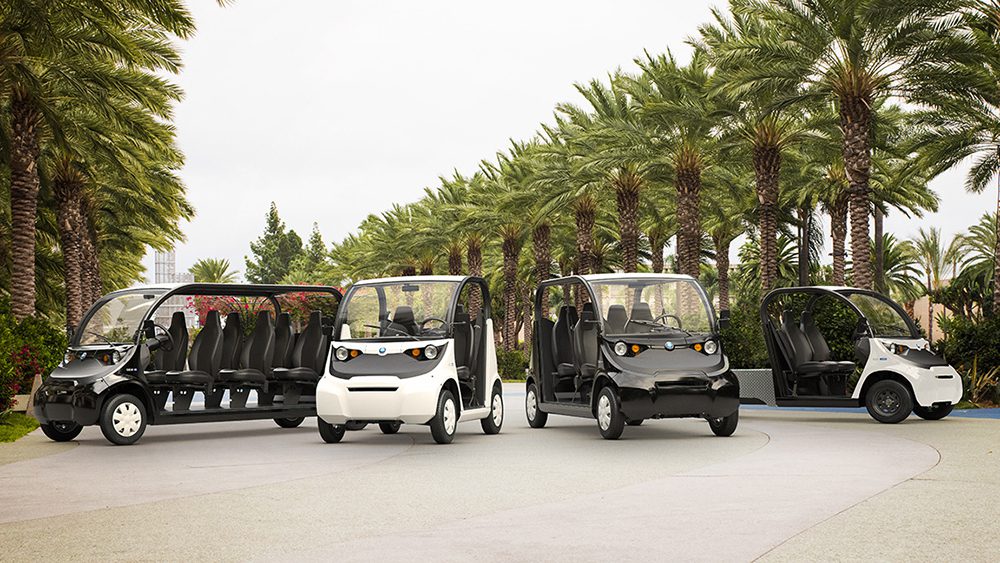
Homeowners Associations (HOAs) are increasingly finding that integrating low-speed electric vehicles (NEVs) into their communities presents a financially sound and operationally efficient solution. These vehicles, distinct from traditional golf carts, offer a sustainable alternative for local transportation, enhancing resident satisfaction while proving to be a smart investment with a relatively quick payback period.
The Financial Case for Neighborhood Electric Vehicles
The economic viability of NEVs for neighborhood use is underscored by their compelling return on investment. A 2024 study revealed that a significant portion of electric vehicles, specifically 49%, demonstrated a lower total cost of ownership over a five-year span. More impressively, 19 out of 41 analyzed EVs managed to recoup their initial price premium within seven years.

Further analysis showed that eight of these EVs achieved an immediate payback, attributed to their lower purchase prices compared to their internal combustion engine (ICE) counterparts. This data strongly supports the consideration of neighborhood electric vehicles as a prudent financial decision for HOAs.
Beyond Financials: Broader Community Benefits of NEVs
The advantages of incorporating low-speed electric vehicles extend beyond mere cost savings. They contribute to reduced overall operational expenses and significantly bolster neighborhood sustainability efforts. This aligns with the growing market for NEVs, which generated $4 billion in revenue in 2025 and is projected to reach $7.4 billion by 2030.
Reduced Operational Costs
Electric vehicles inherently offer substantial savings on fuel costs and require less maintenance than gasoline-powered vehicles. While initial investments may include charging infrastructure and potentially sustainable features like solar paneling, the long-term operational expenses for an NEV fleet are considerably more affordable.
Enhancing Community Sustainability
Transitioning to electric power is a pivotal step for HOAs aiming to improve their environmental footprint. This move can attract residents who prioritize sustainability and also serves as an educational opportunity for community members to learn about and adopt greener practices.
Extended Vehicle Lifespan and Reliability
Contrary to a common misconception, modern EVs often possess a longer and more reliable lifespan than their ICE equivalents. Research indicates that battery-powered EVs can surpass the average lifespan of comparable ICE vehicles, thanks to ongoing technological advancements that continuously push their operational limits.
Leveraging Financial Incentives
As NEV technology matures, various government bodies and organizations are actively promoting their adoption through incentives. HOAs exploring the implementation of NEVs and associated charging infrastructure may find opportunities for reduced costs through local or state financial programs.
Exploring Suitable Low-Speed Vehicle Options for Communities
For HOAs seeking reliable low-speed electric vehicles, Burns Industrial Equipment offers a range of GEM vehicles, known for their comfort and dependability. With over 50 years of experience supplying equipment across western Pennsylvania, northeast Ohio, and West Virginia, the company provides solutions designed for neighborhood use.
These all-electric GEM vehicles eliminate fuel costs and tailpipe emissions, making them an environmentally friendly choice for community transport. They are street-legal for roads with speeds up to 35 mph and can be customized to suit diverse HOA requirements. Several models are available:
GEM E2
The GEM e2 is a compact and agile vehicle, ideal for navigating tight spaces and roads common in residential communities. It meets all low-speed vehicle requirements, including headlights, brake lights, and reflectors, and offers a premium golf-cart-like experience.
- Seating capacity: Two
- Payload: 800 pounds
- Top speed: 25 mph
GEM E4
Building on the e2’s features, the GEM e4 provides increased legroom and enhanced comfort and security. It is well-suited for larger communities and parks, with options for an open-air design or a more enclosed configuration with doors.
- Seating capacity: Four
- Payload: 1,150 pounds
- Top speed: 25 mph
GEM E6
The GEM e6 is engineered for greater durability and superior comfort, featuring an enhanced suspension system for varied terrain. This model is designed for transporting more people across larger communities and offers seating comparable to cars and vans, but with a lower cost of ownership.
- Seating capacity: Six
- Payload: 1,304 pounds
- Top speed: 25 mph
GEM EL XD
The GEM eL XD stands out with its robust build and significant towing and hauling capabilities, boasting a 1,400-pound payload capacity. While it accommodates two people, its utility extends to tasks like waste collection and resource distribution, with various carrier and bed options available.
- Seating capacity: Two people
- Payload: 1,415 pounds
- Top speed: 25 mph
Frequently Asked Questions About NEVs
Understanding the practicalities of adopting NEVs can address common concerns for HOAs.
What Is the Maximum Speed for NEVs?
While regulations vary by state, NEVs are typically permitted on roads with speed limits of 35 mph or less. Maintaining a speed of 25 mph is recommended to ensure safety and compliance.
NEV vs. EV: What’s the Difference?
A Neighborhood Electric Vehicle (NEV) is a specific type of Electric Vehicle (EV) designed for use within communities and neighborhoods. NEVs generally have lower seating capacities and lower top speeds compared to standard EVs.
Required Maintenance for NEVs
NEVs require maintenance similar to other EVs, focusing on cooling systems and filters. Proper charging practices are essential for maintaining optimal battery health.
Can HOAs Restrict NEV Usage?
HOAs do have the authority to establish rules regarding the frequency and distance of NEV operation and parking within their community, provided these rules comply with state regulations.
Investing in Sustainable Neighborhood Transportation
Neighborhood electric vehicles present a compelling solution for enhancing mobility and sustainability within residential areas. Burns Industrial Equipment offers a selection of GEM low-speed vehicles designed to meet the diverse transportation needs of communities safely and efficiently.