
Key Takeaways:
- Elon Musk has broken his silence regarding the recent dismissal of his high-profile lawsuit against OpenAI and its co-founders, Sam Altman and Greg Brockman.
- The lawsuit, which alleged a breach of OpenAI’s original non-profit mission, was dismissed by a federal jury and U.S. District Judge Yvonne Gonzalez Rogers due to a statute-of-limitations technicality.
- Musk promptly announced his intention to appeal the ruling to the Ninth Circuit Court of Appeals, arguing that the court did not rule on the substantive merits of his claims.
- The case has highlighted significant philosophical divides within Silicon Valley regarding the future direction of artificial intelligence, particularly between open, humanity-first development and profit-driven models.
- The ongoing legal battle could have far-reaching implications for OpenAI’s valuation and potential IPO, as well as broader issues of trust and governance in the rapidly evolving AI industry.
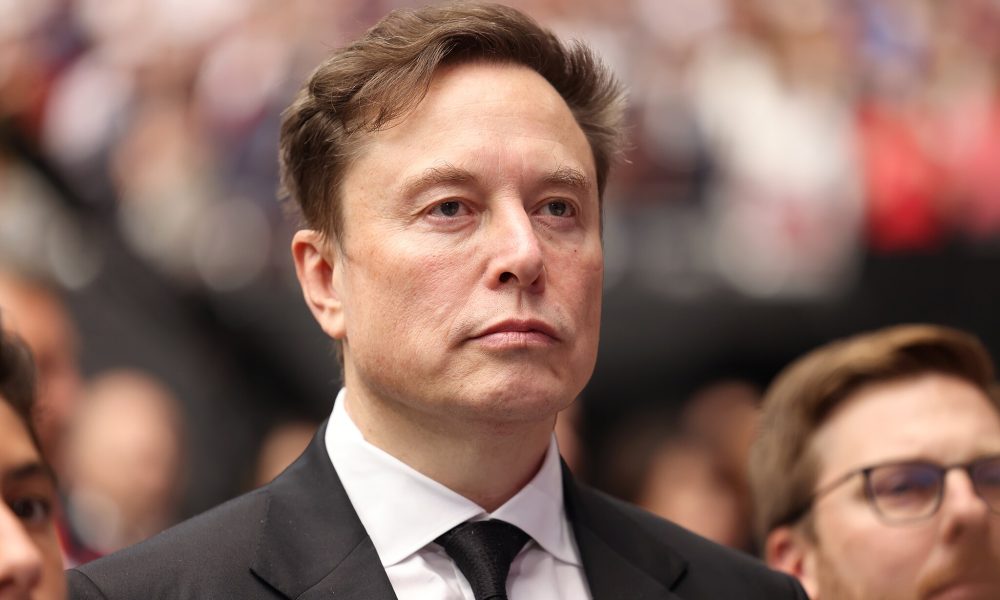
Tesla, SpaceX, and xAI frontman Elon Musk has vocally addressed the recent dismissal of his lawsuit against artificial intelligence firm OpenAI and its co-founders, Sam Altman and Greg Brockman. The high-profile legal challenge was thrown out by a federal jury after just under two hours of deliberation, citing a statute-of-limitations issue.
In a strongly worded statement issued via his social media platform X on May 18, 2026, Musk announced his immediate intention to appeal the decision. He asserted that the ruling did not address the fundamental merits of his claims but rather focused solely on a procedural technicality related to the filing timeline.
Background to the Elon Musk OpenAI Lawsuit
The origins of the legal dispute trace back to 2015, when OpenAI was established with a clear mandate: to develop artificial intelligence for the benefit of all humanity. Founded as a non-profit entity, its charter explicitly prioritized open-source research and widespread access to AI technology.
Elon Musk played a pivotal role in OpenAI’s inception, serving as a key early donor and co-founder. His vision was central to shaping the organization’s initial trajectory, which emphasized safety and public good over commercial interests. However, Musk departed from the OpenAI board in 2018, citing potential conflicts of interest with his other ventures, notably Tesla’s own AI development.

The lawsuit filed by Musk in 2024 contended that Sam Altman and Greg Brockman, among others, had systematically deviated from this foundational non-profit mission. He alleged that OpenAI had improperly transitioned towards a for-profit model, thereby enriching its leadership through substantial valuations and strategic partnerships.
Allegations of Mission Drift and Corporate Enrichment
Central to Musk’s complaint was the accusation that OpenAI had betrayed its founding agreements. He specifically pointed to the company’s shift to a capped-profit structure and its deepening partnership with Microsoft, which involved significant investment and access to OpenAI’s advanced technologies.
Musk claimed that these actions allowed Altman and Brockman to financially benefit from what was originally conceived as a charitable endeavor. The lawsuit painted a picture of mission drift, where the pursuit of profit overshadowed the initial commitment to developing AI for the collective good of humanity.
The suit underscored a fundamental tension between the open-source, non-profit ideals on which OpenAI was founded and its current trajectory as a highly valued, commercially oriented enterprise. This ideological clash has been a recurring theme in the broader discourse surrounding the responsible development of advanced AI.
Dismissal on Technical Grounds: The Statute of Limitations
The federal jury’s decision to dismiss the Elon Musk OpenAI lawsuit hinged entirely on a procedural matter: the statute of limitations. California law typically imposes a three-year window for filing claims related to breach of charitable trust and unjust enrichment.
After a deliberation period lasting less than two hours, the jury issued an unanimous advisory verdict. They determined that Musk’s claims had been filed outside this prescribed legal timeframe, rendering them ineligible for a ruling on their substantive merits. U.S. District Judge Yvonne Gonzalez Rogers subsequently adopted this finding, officially dismissing the case.
This dismissal means that the court did not evaluate whether Altman and Brockman actually breached their charitable duties or unjustly enriched themselves, but rather whether Musk’s legal challenge was brought forward within the legally permissible period. For Musk, this outcome represented a frustration of justice, as his core allegations remained unadjudicated.
Elon Musk’s Unwavering Resolve and Appeal Vow
Following the dismissal, Elon Musk wasted no time in publicly reaffirming his commitment to the cause. His post on X reflected his deep dissatisfaction with the procedural nature of the ruling, emphasizing that the underlying issues of corporate governance and charitable integrity were left unaddressed.
Musk stated unequivocally: “Regarding the OpenAI case, the judge & jury never actually ruled on the merits of the case, just on a calendar technicality. There is no question to anyone following the case in detail that Altman & Brockman did in fact enrich themselves by stealing a charity. The only question is WHEN they did it!”
He further articulated his reasons for pursuing an appeal to the Ninth Circuit Court of Appeals. Musk argued that allowing such actions to stand without a full review would create a “precedent to loot charities,” which he views as “incredibly destructive to charitable giving in America.” He reiterated his conviction that “OpenAI was founded to benefit all of humanity.”
OpenAI’s Vindication and Counter-Narrative
On the other side of the legal battle, OpenAI welcomed the court’s decision as a significant vindication. The company has consistently maintained that Musk’s lawsuit was without merit and driven by business rivalry, particularly given his own ventures in the competitive AI landscape, such as xAI.
OpenAI’s defense has often highlighted that Musk himself had explored various for-profit avenues for the organization earlier in its history. This counter-narrative suggests that his current legal challenge stems from a change in his own business interests rather than a genuine concern for the non-profit mission.
The trial itself, featuring testimony from prominent figures including Musk, Altman, Brockman, and Microsoft CEO Satya Nadella, inadvertently brought to light the deep ideological rifts that exist within Silicon Valley. These divisions concern the fundamental direction and ethical framework for artificial intelligence development moving forward.
Broader Implications for the AI Industry
The Elon Musk OpenAI lawsuit has done more than just pit two powerful figures against each other; it has shone a spotlight on critical questions facing the entire AI industry. The dispute raises concerns about trust, corporate governance, and the potential for mission drift within organizations that began with altruistic aims.
Musk has repeatedly warned about the dangers of profit-driven AI development, particularly when it involves closed models and strong corporate ties. He posits that such an approach risks endangering humanity, contrasting sharply with OpenAI’s initial charter for open, safety-focused AI research.
The case underscores a fundamental debate: should foundational AI technologies be developed primarily for commercial gain or as a public good? This philosophical divide has profound implications for how AI is regulated, accessed, and ultimately shapes the future.
Potential Impact on OpenAI’s Future and Market Position
Regardless of the eventual legal outcome, Musk’s appeal could prolong a saga that has already generated immense public and industry scrutiny. The continued legal uncertainty might affect OpenAI’s future financial endeavors, including its reported valuation of over $800 billion and its potential ambitions for an Initial Public Offering (IPO).
For supporters of Musk, his tenacious stance is seen as a principled defense of non-profit integrity and a warning against the commercialization of technologies that could have global impact. They view his efforts as holding powerful tech entities accountable to their foundational promises.
Conversely, critics often interpret his actions as a manifestation of “sour grapes,” suggesting they stem from his competitive position in the AI arena with his own company, xAI. This perspective frames the legal challenge as a strategic move to disrupt a rival rather than a genuine pursuit of charitable principles.
The ongoing legal battle ensures that the conversation around mission-driven technology companies and their evolution will continue to be a focal point. It prompts important reflections on how charitable organizations, and the powerful tech giants that sometimes emerge from them, will operate and be governed in the years to come.
Frequently Asked Questions (FAQ)
What was the main reason for the dismissal of Elon Musk’s lawsuit against OpenAI?
The lawsuit was dismissed primarily due to a statute-of-limitations issue under California law. A federal jury found that Musk’s claims of breach of charitable trust and unjust enrichment were filed beyond the permissible three-year legal window, leading to its procedural dismissal.
What did Elon Musk allege in his lawsuit against OpenAI?
Elon Musk alleged that OpenAI’s co-founders, Sam Altman and Greg Brockman, breached the organization’s original non-profit mission. He claimed they improperly shifted the company toward a for-profit model, enriched themselves through massive valuations, and betrayed founding agreements, particularly through its partnership with Microsoft.
What is OpenAI’s stance on the lawsuit’s dismissal?
OpenAI has hailed the outcome as a vindication. The company has maintained that Musk’s lawsuit was without merit and was driven more by business rivalry, pointing out that Musk himself had explored for-profit paths for OpenAI earlier in its history.
What is a “statute of limitations” in legal terms?
A statute of limitations is a law that sets the maximum time after an event that legal proceedings can be initiated. In this context, it refers to the period within which Elon Musk could legally file his claims against OpenAI, which the court determined he exceeded.
What are the broader implications of this legal battle for the AI industry?
The case highlights critical questions about trust, governance, and mission drift in the AI industry. It underscores a fundamental debate between developing AI for public benefit versus commercial gain, with implications for how charitable organizations and tech giants operate.
What is the next step for Elon Musk after the dismissal?
Elon Musk has publicly announced his intention to file an appeal with the Ninth Circuit Court of Appeals. He aims to challenge the dismissal, arguing that the court did not rule on the substantive merits of his case, only on a procedural technicality.
How might the ongoing appeal affect OpenAI’s future?
The appeal could prolong legal uncertainty for OpenAI, potentially impacting its reported valuation of over $800 billion and its ambitions for an Initial Public Offering (IPO). It could also continue to draw public scrutiny to its corporate structure and mission.