
Key Takeaways:
- FPT Industrial, the powertrain division of Iveco Group, has secured early certification under the stringent EU Batteries Regulation (EU 2023/1542) for its eBS 37 EVO battery pack.
- This certification, which becomes mandatory across Europe for all battery manufacturers, underscores FPT’s proactive approach to regulatory compliance, with the company meeting standards since 2024.
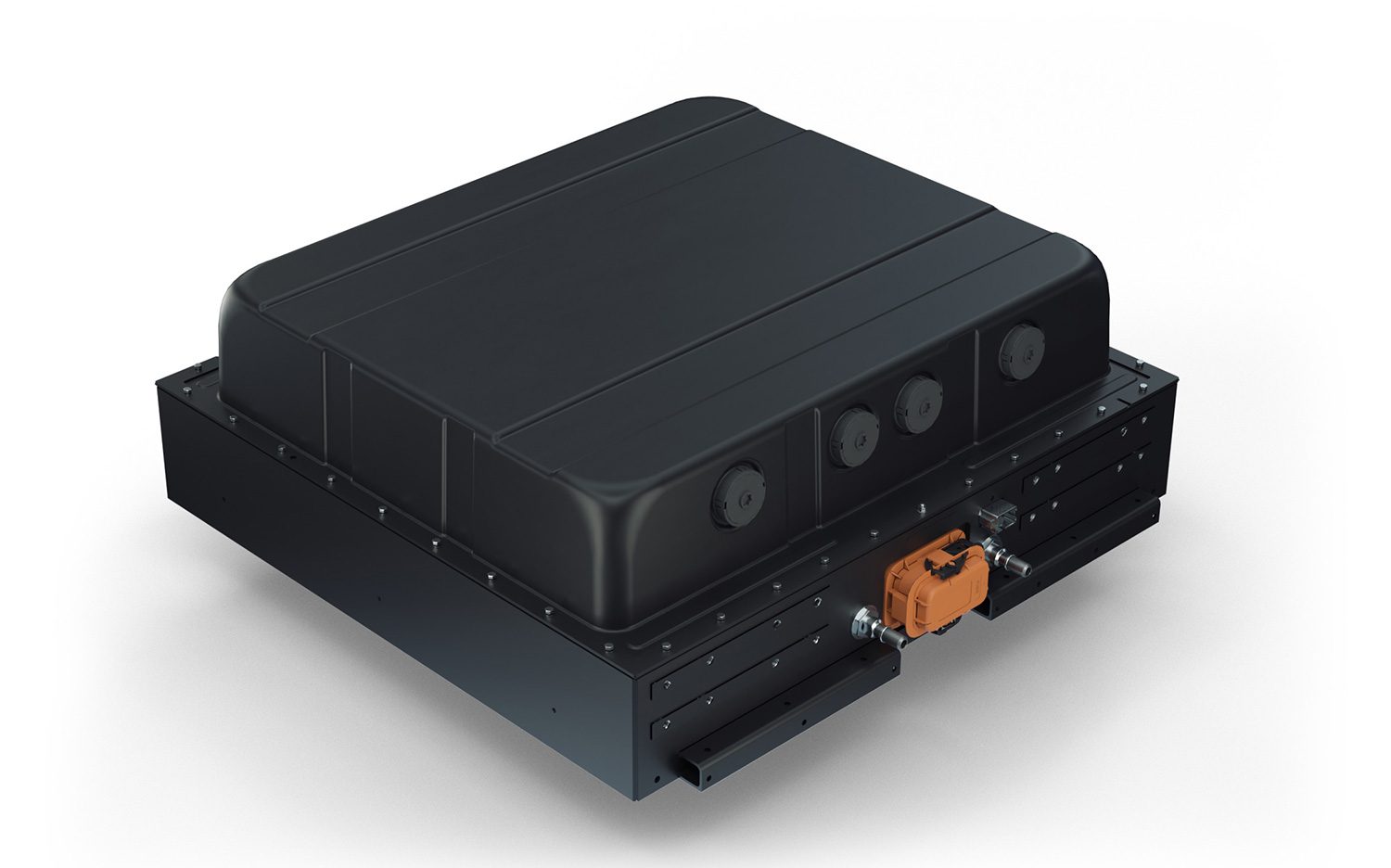
- The eBS 37 EVO is a 37 kWh water-cooled modular pack, featuring NMC 811 lithium-ion cells, designed for light commercial vehicles, minibuses, and pleasure boats.
- The audit was conducted by TÜV SÜD Denmark as a pilot program, highlighting FPT’s advanced manufacturing processes and readiness for future regulatory demands.
- This achievement positions FPT as a frontrunner in sustainable and compliant electric powertrain solutions, enhancing trust and authority in the evolving EV market.
In a significant development for the electric vehicle (EV) sector and sustainable mobility, FPT Industrial, the dedicated powertrain brand of Iveco Group, has announced the early certification of its eBS 37 EVO battery pack under the European Union’s new Batteries Regulation (EU 2023/1542). This achievement marks a pivotal moment for the industry, demonstrating FPT’s commitment to cutting-edge technology and robust regulatory compliance.

The eBS 37 EVO battery pack, designed for a diverse range of applications including light commercial vehicles, minibuses, and pleasure boats, has met the rigorous standards set by the EU Batteries Regulation well ahead of its full implementation. While the regulation is slated to become mandatory for all European battery manufacturers at a later date, FPT confirmed its compliance since 2024, showcasing a proactive stance in an increasingly regulated market.
Understanding the EU Batteries Regulation (EU 2023/1542)
The EU Batteries Regulation (EU 2023/1542) represents a comprehensive legislative framework aimed at ensuring the sustainability, safety, and circularity of batteries throughout their entire lifecycle. Enacted to address environmental and social impacts, this regulation covers everything from raw material sourcing and manufacturing to product design, performance, and end-of-life management.
Its scope extends to all types of batteries placed on the EU market, including portable batteries, industrial batteries, SLI batteries (starting, lighting, and ignition), and batteries for light means of transport (LMTs) and electric vehicles. The regulation introduces stringent requirements for due diligence, carbon footprint declarations, recycled content targets, and performance durability standards.

A cornerstone of the new regulation is the concept of a ‘battery passport,’ a digital record containing key information about each battery, which will enhance transparency and traceability. For manufacturers, early compliance with such a complex and far-reaching regulation is not merely a formality but a strategic advantage, signalling market leadership and a commitment to future-proof operations.
FPT’s Proactive Compliance and Market Leadership
FPT Industrial’s decision to seek and achieve certification for its eBS 37 EVO pack ahead of the mandatory deadline underscores its foresight and dedication to sustainable engineering. This early compliance sets a precedent within the industry, positioning FPT as a leader in adhering to the highest environmental and safety standards.
The certification process was meticulously conducted by TÜV SÜD Denmark, a globally recognised independent testing and certification body. Notably, this audit doubled as a pilot program, with TÜV SÜD Denmark specifically choosing FPT—alongside Iveco Group’s own vehicle and battery homologation body—to demonstrate its auditing capabilities for battery manufacturers under the new EU framework.
Simone Gianoglio, who oversees vehicle and battery homologation for Iveco Group, highlighted the significance of this collaboration. “FPT demonstrated strong readiness ahead of schedule by passing the audit,” Gianoglio stated, adding, “We were specifically chosen by TÜV SÜD as a pilot audit.” This selection speaks volumes about FPT’s manufacturing quality and its operational readiness to meet emerging regulatory demands.
Delving into the eBS 37 EVO: Technical Excellence
The FPT eBS 37 EVO is engineered with advanced technical specifications that align with the demanding requirements of modern electric powertrains. Its design prioritises performance, safety, and adaptability, making it suitable for a variety of light-duty applications.
Core Technology and Design
At its heart, the eBS 37 EVO is a 37 kWh water-cooled modular pack. This capacity makes it well-suited for vehicles requiring a robust yet compact energy storage solution. The pack is built from high-energy-density NMC 811 lithium-ion cells. NMC 811 chemistry, comprising nickel, manganese, and cobalt in an 8:1:1 ratio, is highly favoured in EV applications for its superior energy density and relatively long cycle life, enabling better range and performance.
The battery operates at a nominal voltage of 355 V, a common high-voltage architecture in electric powertrains that contributes to overall system efficiency. With a specific energy of 140 Wh/kg, the eBS 37 EVO offers a commendable balance between energy storage and weight, tipping the scales at 260 kg. This weight consideration is critical for maintaining vehicle payload capacity and optimising energy consumption.
Robustness and Safety Features
Durability and safety are paramount in battery design, and the eBS 37 EVO incorporates several features to ensure reliable operation in diverse environments. It carries IP6K9K and IP67 protection ratings. The IP6K9K rating signifies resistance to high-pressure, high-temperature jet wash, making it ideal for applications that might encounter harsh cleaning or extreme weather conditions. The IP67 rating ensures the battery is fully protected against dust ingress and can withstand temporary immersion in water.
Performance metrics also demonstrate the pack’s capabilities: continuous C-rates are 1C on charge and 2C on discharge. A ‘C-rate’ is a measure of the rate at which a battery is charged or discharged relative to its maximum capacity. A 1C charge rate means the battery can be fully charged in approximately one hour, while a 2C discharge rate implies it can deliver twice its nominal capacity current, enabling higher power output when needed.
The modularity of the eBS 37 EVO is a key advantage, allowing up to four packs to run in parallel or two in series. This flexibility enables customisation of battery capacity and voltage to meet specific vehicle requirements. FPT rates the pack for 2,500 cycles, indicating a substantial operational lifespan under typical usage conditions. Furthermore, it is paired with FPT’s proprietary eBM 5 battery management system (BMS), essential for monitoring and optimising battery health, performance, and safety.
Adhering to international safety benchmarks, the eBS 37 EVO meets ECE R100.4 and ECE R10 safety standards. ECE R100.4 covers the safety of electric power train vehicles, specifically concerning electrical safety and rechargeable energy storage systems. ECE R10 addresses electromagnetic compatibility (EMC) for vehicles. Importantly, the pack is also ‘battery passport-ready,’ anticipating future requirements for comprehensive digital traceability.
The Rigorous Certification Process with TÜV SÜD
The audit conducted by TÜV SÜD Denmark was not just a routine compliance check; it was a collaborative pilot program designed to test the efficacy of the new EU Batteries Regulation auditing procedures. This selection of FPT as a pilot participant underscores the company’s advanced manufacturing practices and transparent operations.
Yalcin Ölmez, Lead Auditor for the EU Batteries Regulation at TÜV SÜD Denmark, praised FPT’s readiness and professionalism. “At FPT, we have seen a highly motivated and very professional team that has fully committed to embedding quality in the manufacturing process,” Ölmez commented. He concluded, “What we have seen is battery production that meets the highest standards.”
This endorsement from an independent global authority like TÜV SÜD significantly bolsters FPT’s reputation for quality, expertise, and trustworthiness, crucial E-E-A-T signals in the competitive EV engineering landscape.
Implications for the Electric Vehicle and Marine Sectors
FPT Industrial’s early certification of the eBS 37 EVO under the EU Batteries Regulation carries significant implications for various sectors. For manufacturers of light commercial vehicles and minibuses, access to a pre-certified, high-performance battery pack simplifies their own homologation processes, potentially accelerating time-to-market for new electric models.
In the burgeoning electric marine sector, the eBS 37 EVO’s robust IP ratings and modular design make it an attractive option for pleasure boats, offering reliable and sustainable power. This positions FPT to capture a share of this niche but growing market, aligning with global efforts to decarbonise maritime transport.
Industry Perspectives on Early Compliance
The proactive approach taken by FPT is a testament to the increasing importance of environmental and social governance (ESG) factors in manufacturing. Early adoption of strict regulations often leads to innovation, improved efficiency, and stronger brand credibility. It also provides a competitive edge by demonstrating readiness for market changes and a commitment to future sustainability.
Companies that delay compliance may face significant challenges, including production halts, market access restrictions, and reputational damage. FPT’s strategic move not only ensures seamless market access but also reinforces its position as a responsible and forward-thinking supplier of powertrain solutions.
The Road Ahead for Battery Manufacturers
As the EU Batteries Regulation takes full effect, all battery manufacturers supplying the European market will need to demonstrate similar levels of compliance. This will necessitate significant investments in research and development, manufacturing processes, supply chain transparency, and advanced battery management systems.
FPT Industrial’s success story with the eBS 37 EVO serves as a valuable case study, illustrating that embracing stringent regulations early can lead to stronger partnerships, enhanced product quality, and a more robust market position in the rapidly evolving landscape of electric mobility.
Frequently Asked Questions (FAQ)
What is the EU Batteries Regulation (EU 2023/1542)?
The EU Batteries Regulation (EU 2023/1542) is a new European Union law establishing rules for the entire lifecycle of batteries, from design and production to waste management. It aims to ensure batteries are sustainable, safe, and adhere to circular economy principles.
Why is FPT Industrial’s early certification significant?
FPT’s early certification for its eBS 37 EVO pack is significant because it demonstrates proactive compliance with a complex regulation ahead of its mandatory enforcement. This positions FPT as an industry leader in battery sustainability and safety standards.
What types of vehicles will the eBS 37 EVO battery pack power?
The eBS 37 EVO battery pack is specifically designed to power light commercial vehicles, minibuses, and pleasure boats. Its modular nature allows for flexible integration into various electric powertrains within these segments.
What are the key technical specifications of the eBS 37 EVO?
The eBS 37 EVO is a 37 kWh water-cooled modular pack using NMC 811 lithium-ion cells. It has a nominal voltage of 355 V, specific energy of 140 Wh/kg, and weighs 260 kg, featuring IP6K9K and IP67 protection ratings.
What role did TÜV SÜD Denmark play in this certification?
TÜV SÜD Denmark conducted the audit for the eBS 37 EVO, importantly as a pilot program for the EU Batteries Regulation. Their selection of FPT demonstrated the company’s high manufacturing standards and served to validate TÜV SÜD’s auditing procedures.
What does ‘battery passport-ready’ mean for the eBS 37 EVO?
‘Battery passport-ready’ indicates that the eBS 37 EVO is designed to meet future regulatory requirements for a digital record containing key information about the battery. This ensures transparency, traceability, and facilitates sustainable lifecycle management as mandated by the EU Regulation.
How does this certification contribute to FPT’s E-E-A-T?
This certification significantly enhances FPT’s E-E-A-T (Experience, Expertise, Authoritativeness, Trustworthiness) by showcasing its deep expertise in battery technology, proactive adherence to stringent regulations, and validation by a reputable third-party auditor like TÜV SÜD, establishing its authoritative position in the industry.