
Key Takeaways
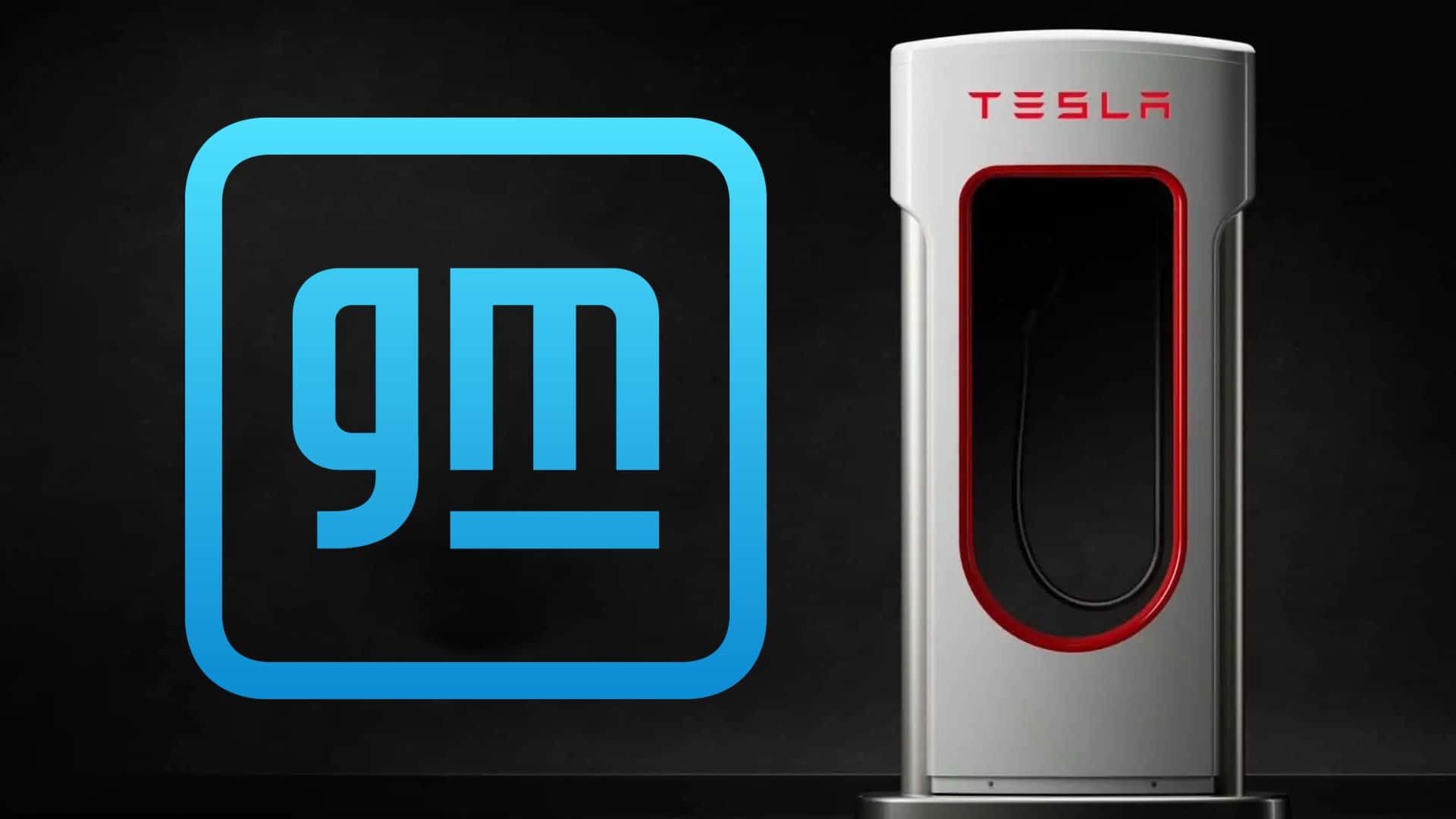
General Motors (GM) has officially announced its adoption of Tesla’s North American Charging Standard (NACS) for its future electric vehicles (EVs). This strategic decision will grant GM EV owners extensive access to Tesla’s formidable 12,000-unit Supercharger network, significantly expanding charging options across the continent. Starting in the spring of 2024, current GM EV owners will gain access via an adapter, with new models from 2025 integrating the Tesla charging standard directly. The move, following a similar announcement by Ford, marks a pivotal moment in the evolution of EV charging infrastructure, poised to simplify the experience for hundreds of thousands of drivers and potentially reshape industry standards.
GM Embraces Tesla’s North American Charging Standard
General Motors, one of the world’s leading automotive manufacturers, has confirmed a monumental shift in its electric vehicle strategy. The company is set to integrate Tesla’s North American Charging Standard (NACS) into its future EV lineup, a move that promises to dramatically enhance the charging accessibility for its customers. This announcement, made by GM CEO Mary Barra, signals a deepening convergence within the rapidly expanding electric mobility sector.
The decision to adopt the Tesla charging standard means that GM electric vehicles will no longer be solely reliant on the Combined Charging System (CCS1) prevalent among many non-Tesla automakers. Instead, GM drivers will soon benefit from the widespread and reliable Supercharger network, celebrated for its extensive coverage and consistent performance. This is a crucial step towards alleviating range anxiety and improving the overall ownership experience for GM’s growing base of EV consumers.
Phased Rollout for GM Vehicles
The transition to the Tesla charging standard will be implemented in a phased approach to ensure a smooth shift for both existing and future GM electric vehicle owners. Commencing in the spring of 2024, current owners of compatible GM EVs will be able to access the extensive Supercharger network through a specially provided adapter. This adapter will be distributed to eligible customers early next year, bridging the gap to the new standard.
Looking ahead, General Motors plans to embed the Tesla charging standard directly into its vehicle architecture. “We plan to adopt the North American charging standard, we’re working really hard that our first vehicle will come in 2025,” stated CEO Mary Barra. This native integration will ensure that future GM EVs offer a seamless and integrated charging experience from the moment they leave the factory floor.
Streamlining the Charging Experience
Beyond simply providing physical access to new charging points, GM is committed to enhancing the user experience through technological integration. The company has revealed plans to incorporate the Tesla Supercharger Network directly into its proprietary vehicle and mobile applications. This integration is designed to simplify every aspect of the charging process for drivers.
The integrated system will allow GM EV owners to “quickly and easily locate, pay for, and initiate charging at available Tesla Superchargers.” This critical functionality eliminates the need for third-party applications or multiple payment platforms, a common friction point for many EV users. Such simplification is expected to significantly improve convenience and encourage greater adoption of electric vehicles.
The Expanding Influence of Tesla Charging Standard
The announcement from General Motors comes on the heels of a similar, groundbreaking commitment from Ford Motor Company. This dual embrace of the Tesla charging standard by two of North America’s largest automakers underscores a significant shift in the electric vehicle industry’s landscape. The implications for the future of EV infrastructure are profound, suggesting a potential consolidation around a single, dominant charging technology.
Tesla’s Supercharger network has long been recognized for its superior reliability and extensive coverage, setting a high benchmark for public charging infrastructure. Its consistent performance and widespread availability have been a key differentiator for Tesla vehicles. Now, with GM and Ford joining, this established network is poised to become the de facto standard for a much broader segment of the automotive market.
Ford’s Precedent and Market Shift
Ford’s announcement in late May served as a significant precursor to GM’s decision, illustrating a growing industry consensus. The move by Ford, another major player in the automotive sector, immediately amplified discussions about the future of EV charging infrastructure. Together, these two announcements represent a powerful endorsement of Tesla’s proprietary connector and network, rebranding it as the North American Charging Standard (NACS).
The collective embrace by these industry titans is not merely about physical connectors but about ecosystem integration. The ability to leverage Tesla’s robust backend systems for locating and payment further solidifies the appeal of this standard. This strategic alignment is a clear indicator of the automotive industry’s pursuit of interoperability and enhanced user experience in the EV charging domain.
Impact on EV Owners Across Brands
The immediate beneficiaries of this seismic shift are the hundreds of thousands of electric vehicle drivers in North America. With both Ford and General Motors on board with the Tesla charging standard, approximately 300,000 American EV drivers will experience substantial improvements in their fast-charging capabilities. This figure includes over 170,000 battery electric vehicles (BEVs) sold by General Motors, along with more than 108,000 Ford BEVs, such as the Mach-E, F-150 Lightning, and E-Transit.
For these drivers, access to an additional 12,000 fast chargers signifies a dramatic reduction in range anxiety and an increase in charging convenience. The enhanced availability of reliable public charging stations is a crucial factor in accelerating EV adoption and making electric mobility a more practical and attractive option for a wider consumer base across the United States and Canada.
The Battle for Charging Dominance
The announcements by GM and Ford represent a critical juncture in the ongoing “charging wars” that have characterized the electric vehicle industry. Historically, North America has seen a fragmented charging landscape, with various connectors and networks vying for dominance. The Tesla charging standard, initially proprietary, is now emerging as a powerful contender to become the universal solution.
This evolving scenario signals a potential consolidation, moving away from the multi-standard approach that has sometimes created confusion and inconvenience for EV owners. The shift has been deliberated by industry analysts and experts, who recognize the profound impact such standardization can have on the pace of electric vehicle deployment and infrastructure development.
A Shifting Landscape in North America
The North American EV charging standards battle has previously witnessed the slow decline of the CHAdeMO standard, making way for the rise of CCS1. For a period, CCS1 seemed poised to become the dominant open standard, adopted by most non-Tesla automakers. However, the recent moves by GM and Ford introduce a compelling challenge to CCS1’s supremacy.
With two major automakers committing to the Tesla charging standard, the market dynamics are undeniably shifting. Industry observers are now questioning if these decisions “mark the start of the fall of CCS1.” This strategic pivot by key players like GM and Ford could very well lead to a new era of standardization, streamlining the charging experience for millions of current and future EV drivers.
Industry Reactions and Future Prospects
The discussions surrounding these developments have been robust within the automotive and technology sectors. Mary Barra and Elon Musk initiated the formal announcement during a Twitter Spaces session, echoing the format of Ford’s earlier revelation. Both leaders emphasized the transformative period the automotive industry is currently experiencing.
Musk notably agreed that the industry is at “one of the great inflection points in vehicles … comparable to the moving production line.” This sentiment highlights the profound impact of electric mobility and the critical role of charging infrastructure in its widespread success. The industry will be closely watching how other automakers and charging providers react to this significant push towards the Tesla charging standard as a continent-wide solution.
Long-Term Implications for Electric Mobility
The adoption of the Tesla charging standard by General Motors carries significant long-term implications for the entire electric vehicle ecosystem. This move is not just about a connector; it’s about accelerating the transition to sustainable transportation, fostering innovation, and building consumer trust in the viability of electric vehicles for everyday use and long-distance travel.
Standardization around a robust and proven charging network can unlock further investments in EV infrastructure, encourage technological advancements in charging speeds, and ultimately lower the barriers to entry for new EV owners. This could pave the way for a more cohesive and efficient charging landscape across North America.
Enhancing Consumer Confidence
One of the most immediate benefits of this standardization is the boost in consumer confidence. A unified and expansive charging network addresses one of the primary concerns for prospective EV buyers: the availability and reliability of charging infrastructure. Knowing that a vast and dependable network, such as Tesla’s Superchargers, is accessible greatly diminishes “range anxiety.”
By streamlining the charging experience and providing a clear path to widespread compatibility, General Motors and Ford are actively working to make electric vehicles a more practical and appealing choice for the mainstream consumer. This enhanced confidence is vital for driving greater EV adoption rates and achieving national electric mobility goals.
A Milestone for Infrastructure Development
The combined weight of General Motors and Ford adopting the Tesla charging standard represents a monumental milestone for electric vehicle infrastructure development in North America. It signifies a potential shift towards a more unified and efficient charging ecosystem, which is critical for supporting the projected growth in EV sales over the coming decade.
A single, widely accepted charging standard can simplify deployment for charging station operators, reduce manufacturing complexities for automakers, and ultimately create a more robust and user-friendly experience for all EV drivers. This strategic alignment could catalyze further public and private investments, accelerating the build-out of a truly comprehensive and seamless charging network.
Conclusion
General Motors’ decision to embrace the Tesla charging standard marks a defining moment in the North American electric vehicle landscape. This strategic alignment, following Ford’s lead, consolidates access to Tesla’s industry-leading Supercharger network for a vast number of EV owners. By simplifying charging logistics and significantly expanding infrastructure access, GM is poised to enhance the electric vehicle ownership experience for its customers.
As the automotive industry continues its rapid transition towards electric mobility, the unification around a common, robust charging standard is a critical step. This move by GM and Ford not only benefits current and future EV drivers but also signals a potential reshaping of the entire EV charging ecosystem, moving towards a more efficient, reliable, and user-friendly future for electric transportation across North America.
FAQ Section
What is the North American Charging Standard (NACS)?
NACS refers to the charging connector and associated infrastructure developed by Tesla, which has now been opened for use by other automakers. It is characterized by its compact design and reputation for reliability. The adoption of NACS by major manufacturers like GM and Ford is propelling it towards becoming a widely accepted industry standard for electric vehicle charging in North America.
When will GM EV owners gain access to Tesla Superchargers?
General Motors has confirmed that its existing EV owners will gain access to Tesla’s Supercharger network starting in the spring of 2024. This initial access will be facilitated through an adapter, which will be provided to eligible customers early next year. Future GM electric vehicles, beginning in 2025, will integrate the NACS connector directly into their design, offering native compatibility.
How will GM integrate Tesla Supercharger access into its vehicles?
GM plans to integrate the Tesla Supercharger Network directly into its vehicle and mobile applications. This integration will allow drivers to seamlessly locate available Tesla Superchargers, initiate the charging process, and manage payments, all from within GM’s native digital platforms. This aims to significantly simplify the overall electric vehicle charging experience for users.
What does this mean for the CCS1 charging standard?
The adoption of the Tesla charging standard by General Motors and Ford represents a significant challenge to the previously dominant CCS1 standard in North America. While CCS1 remains in use, these moves suggest a potential shift towards NACS becoming the prevailing standard for electric vehicle charging infrastructure. Industry observers are now debating the long-term viability of CCS1 in this evolving landscape.
How many EV drivers will benefit from GM and Ford adopting NACS?
The combined announcements from Ford and General Motors regarding their adoption of the Tesla charging standard are set to significantly benefit approximately 300,000 American EV drivers. This includes over 170,000 battery electric vehicles (BEVs) sold by General Motors and more than 108,000 Ford BEVs. These drivers will now have access to Tesla’s extensive 12,000-unit Supercharger network.
What is the significance of this shift for the automotive industry?
This widespread adoption of the Tesla charging standard by major automakers is a pivotal moment for the electric vehicle industry. It promises to reduce fragmentation in charging infrastructure, enhance user convenience, and alleviate range anxiety for a broader segment of EV owners. This standardization could accelerate the overall transition to electric mobility and foster greater innovation in charging technologies across North America.