
Key Takeaways:
- Global Battery Materials Corp. (GBM) has initiated the qualification process for its graphite, shipping first samples to a U.S. customer.
- The company simultaneously inaugurated a new, ISO 9001 certified graphite processing lab in Quebec, enhancing domestic capabilities.
- These actions underscore GBM’s commitment to developing a comprehensive, vertically integrated North American graphite supply chain, reducing reliance on foreign production.
- The samples originated from Ontario’s Kearney Mine, a significant prior-producing natural flake graphite deposit on the continent.
- The Quebec lab can purify raw ore to achieve up to 97% carbon content, simulating full-scale plant processes vital for EV battery anode production.
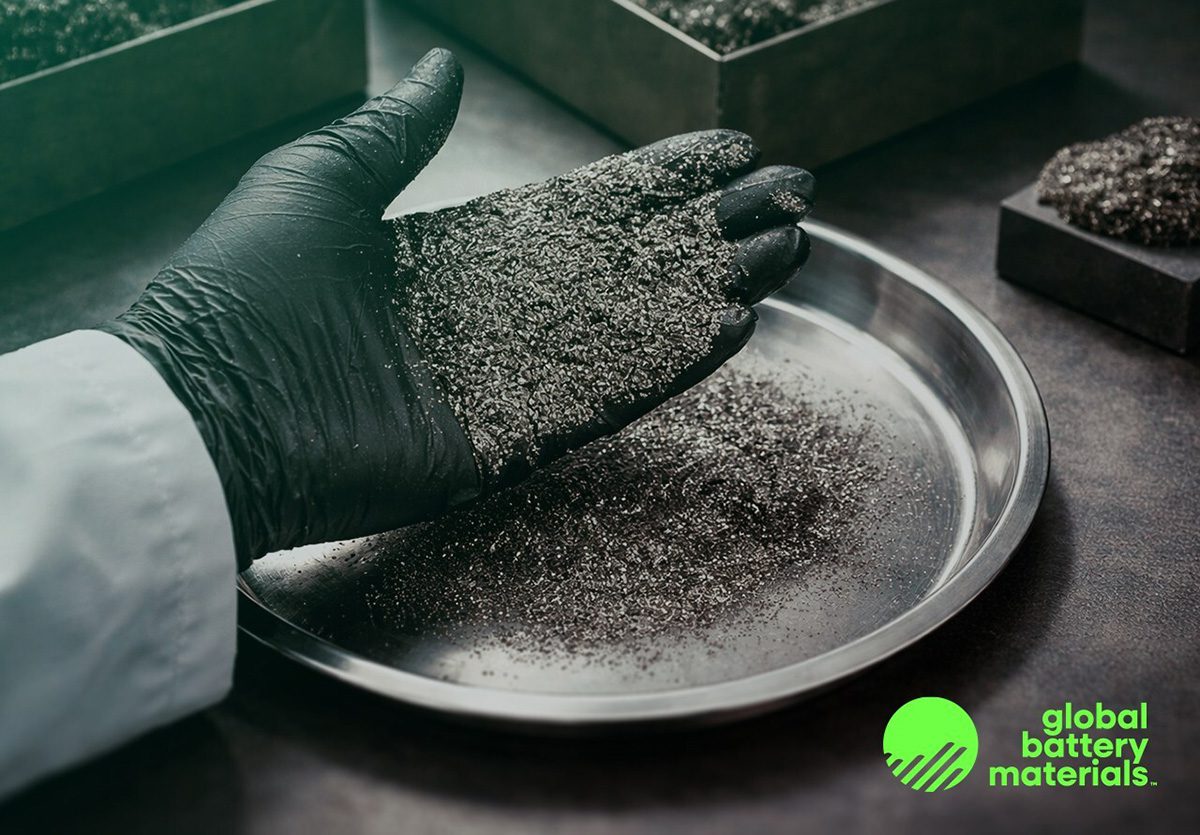
Global Battery Materials Corp. (GBM) has announced significant progress in establishing a robust North American graphite supply chain. The company has successfully shipped its inaugural graphite samples to a United States customer for qualification, marking a pivotal step towards commercial agreements. Concurrently, GBM officially opened a state-of-the-art processing laboratory in Quebec, designed to purify and upgrade natural graphite.

These dual milestones collectively underscore GBM’s strategic intent to build an independent, vertically integrated supply chain for critical battery minerals, directly challenging the prevailing reliance on Chinese production. The developments are particularly timely given the escalating global demand for electric vehicle (EV) battery components and the increasing governmental focus on domestic sourcing of critical minerals.
Pioneering Domestic Graphite Production
The graphite samples, critical for qualification testing, were sourced from GBM’s Kearney Mine located in Ontario. This site is distinguished as one of North America’s only prior-producing natural graphite assets, alongside being recognized as one of the largest flake graphite deposits on the continent. The historical operational experience of the Kearney Mine provides a foundational advantage for GBM’s current initiatives.
The unnamed U.S. customer will subject these samples to rigorous qualification testing. This process is a standard and essential phase that precedes the formalization of any commercial supply agreement in the battery materials industry. Successful qualification is a testament to the material’s suitability for high-performance applications, particularly within the demanding specifications of lithium-ion battery anodes.
The Strategic Importance of Qualification Testing
Qualification testing is far more than a routine check; it is a critical validation stage that assesses a material’s physical, chemical, and electrochemical properties. For graphite intended for EV battery anodes, this involves evaluating purity, particle size distribution, crystallinity, and cycling stability, among other parameters.
Passing these tests signifies that GBM’s graphite meets the stringent quality and performance standards required by battery manufacturers. This achievement would unlock pathways to long-term supply contracts, securing a vital component for the expanding electric vehicle market within North America and contributing significantly to a resilient North American graphite supply chain.
Quebec Lab: A Hub for Advanced Graphite Processing
The newly unveiled GBM Graphite Lab in Quebec represents a significant investment in advanced processing capabilities. This facility is engineered to undertake the complex task of purifying and upgrading natural graphite sourced from raw ore. It plays a crucial role in transforming raw materials into a form suitable for high-grade battery applications.
At a lab scale, the facility has already demonstrated its ability to achieve carbon content levels of up to 97%. This level of purity is paramount for the performance and longevity of lithium-ion battery anodes. Furthermore, the Quebec lab is ISO 9001 certified, ensuring adherence to internationally recognized quality management standards across its operations.
Expertise Driving Innovation at the GBM Graphite Lab
The Quebec lab is equipped to simulate full graphite plant processes, providing a controlled environment for optimizing production techniques and material specifications. This simulation capability is invaluable for scaling up operations efficiently and effectively, bridging the gap between laboratory-scale achievements and industrial production.
Overseeing the operations at the GBM Graphite Lab is Benoit Briere, a distinguished professional boasting nearly three decades of experience in the natural graphite industry. His extensive expertise is critical to the lab’s success in developing and refining the processes necessary to produce high-quality anode material. Under his leadership, the lab is poised to become a cornerstone of the North American graphite supply chain.
Building a Vertically Integrated North American Graphite Supply Chain
GBM’s strategic vision revolves around vertical integration, a comprehensive approach that encompasses mining, processing, and ultimately, anode material production. The company’s model combines its proprietary Ontario mine with patented anode processing technology, which has been rigorously validated at a pilot plant in South Korea. This integrated strategy is designed to control every stage of the graphite value chain.
The current efforts in Ontario and Quebec are precursors to GBM’s ambitious next phase: the establishment of a mass anode production site within North America. This planned facility will complete the vertical integration, allowing for end-to-end domestic production of a critical battery component, thereby fortifying the North American graphite supply chain.
From Mine to Anode: GBM’s Comprehensive Strategy
Eric Miller, CEO of GBM, emphasized the broader implications of these developments. “North America has very limited capacity to process critical minerals like graphite, and this announcement marks an important step in urgently closing this gap,” Miller stated. He further added, “Our lab-scale operations in Quebec are already producing graphite samples for qualifying customers, proving our ability to move quickly and meet urgent local demand.”
This statement highlights the critical need for indigenous processing capabilities to support the burgeoning EV industry. GBM’s strategy addresses this gap directly by moving beyond mere extraction to advanced material processing and future manufacturing, contributing significantly to a secure and resilient North American graphite supply chain.
Addressing Critical Mineral Dependencies
Graphite serves as the dominant active material within the anodes of lithium-ion batteries, which power virtually all modern electric vehicles. Its indispensable role makes it a critical mineral for the energy transition and the automotive sector’s electrification goals. However, the global supply of graphite is heavily concentrated, posing significant geopolitical and economic risks.
China currently controls the vast majority of global graphite mining and, more crucially, the processing of anode materials. This high degree of supply concentration has prompted an urgent global mandate among battery manufacturers and governments to diversify their sourcing and develop domestic alternatives. Both U.S. and Canadian policy frameworks have increasingly prioritized the development of secure, local sources for critical minerals like graphite.
The Global Landscape of Graphite Supply
The global EV market’s rapid expansion directly translates into an escalating demand for battery-grade graphite. This surge in demand, coupled with the concentrated supply landscape, creates vulnerabilities for nations relying heavily on single-source imports. Establishing a robust North American graphite supply chain is therefore not merely an economic imperative but also a strategic national security objective for both the United States and Canada.
Policy Directives and Energy Security
Governmental policies in North America are increasingly focused on de-risking supply chains for critical minerals. Initiatives aimed at promoting domestic mining, processing, and manufacturing are designed to enhance energy security, foster economic growth, and create high-value jobs. GBM’s efforts align directly with these policy objectives, offering a tangible solution to critical mineral dependency and strengthening the overall energy independence of the region.
The Road Ahead: Scaling Up Production
With the successful shipment of samples and the operational readiness of the Quebec lab, GBM is well-positioned for its subsequent phases of expansion. The ultimate goal is to scale up its operations from lab-scale purification and pilot-plant validated technology to full-scale commercial production of anode-grade graphite within North America.
This ambitious roadmap involves continued investment in infrastructure, technology, and talent. As the qualification process progresses, GBM anticipates moving towards definitive commercial agreements, which will pave the way for the development of its planned mass anode production facility. Such a facility would be instrumental in supplying the rapidly growing North American battery manufacturing ecosystem, providing a secure and ethical source of crucial EV components.
The company’s advancements are a critical step in cultivating a truly self-reliant North American graphite supply chain. By integrating mining, processing, and future manufacturing capabilities, GBM is contributing to a resilient future for electric vehicle production and clean energy technologies in the region.
Frequently Asked Questions (FAQ)
What is the significance of Global Battery Materials Corp. shipping its first graphite samples?
Shipping the first graphite samples to a U.S. customer is a crucial step towards commercialization. These samples undergo qualification testing, which validates the material’s quality and suitability for lithium-ion battery anodes. Successful qualification is essential for securing long-term supply agreements and integrating into the North American EV battery supply chain.
Where did GBM’s graphite samples originate from?
The graphite samples were sourced from GBM’s Kearney Mine in Ontario. This mine is notable for being one of North America’s few prior-producing natural graphite assets and is also recognized as one of the largest flake graphite deposits on the continent, underscoring its historical significance and potential for future supply.
What is the purpose of GBM’s new Quebec processing lab?
The GBM Graphite Lab in Quebec is designed to purify and upgrade natural graphite from raw ore. It demonstrates the capability to achieve carbon content of up to 97% at a lab scale and can simulate full graphite plant processes. This facility is vital for developing high-purity graphite suitable for lithium-ion battery anodes domestically.
How does GBM contribute to a North American graphite supply chain?
GBM contributes by establishing a vertically integrated model, combining its Ontario mine with advanced processing technology validated at a pilot plant. The company plans a mass anode production site in North America, aiming to control the entire graphite value chain from raw material to finished anode product, thereby reducing reliance on foreign sources.
Why is developing domestic graphite sources critical for North America?
Developing domestic graphite sources is critical because graphite is an essential component of lithium-ion battery anodes, and China currently dominates global mining and processing. Establishing a North American graphite supply chain enhances energy security, supports the growing electric vehicle industry, and mitigates geopolitical risks associated with concentrated supply.
Who manages the new GBM Graphite Lab in Quebec?
The GBM Graphite Lab in Quebec is managed by Benoit Briere, who brings nearly 30 years of extensive experience in the natural graphite industry. His expertise is instrumental in overseeing the lab’s operations, ensuring high standards of purification and processing, and advancing GBM’s capabilities in critical mineral development.
What are the next steps for Global Battery Materials Corp.?
Following the successful qualification of its graphite samples and the operationalization of its Quebec lab, GBM’s next significant step is to establish a mass anode production site in North America. This facility will complete its vertical integration strategy, enabling large-scale domestic manufacturing of anode materials for the electric vehicle battery market.