
Key Takeaways:
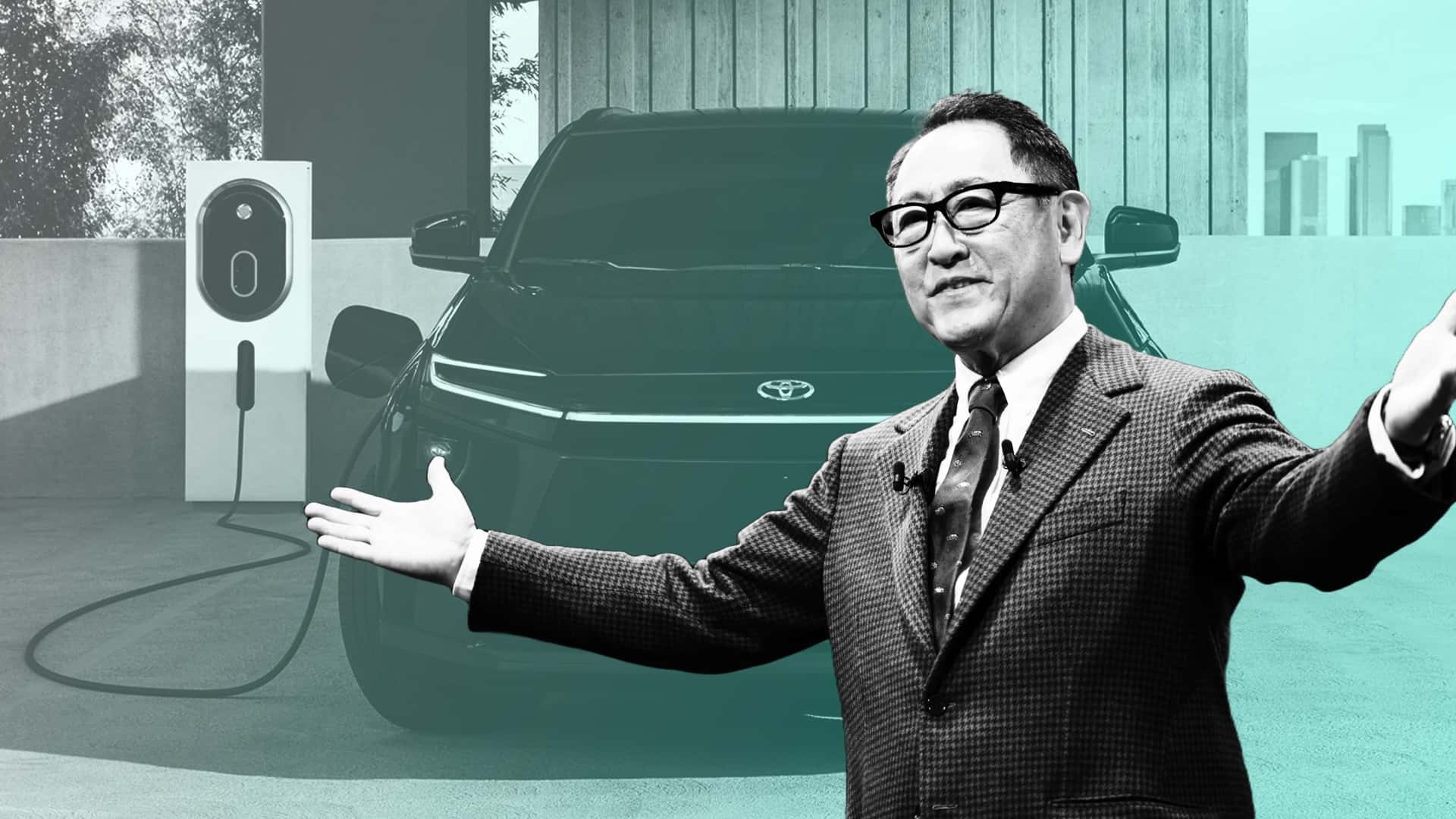
- Toyota Chairman Akio Toyoda publicly expressed his “biggest fear” regarding the automotive industry’s complete shift to battery electric vehicles (BEVs).
- Toyoda, grandson of the company founder, stated his personal preference for internal combustion engines, citing their “smell” and “sound,” making him feel “very alone” among industry leaders.
- Critics, including advocacy group Public Citizen, suggest Toyoda’s stance risks Toyota’s future and reflects a broader reluctance to embrace a fully electric future.
- Toyota’s current electric vehicle offerings are perceived as lagging competitors in features like route-planning capabilities.
- The chairman’s comments precede a crucial annual shareholder meeting where his re-appointment and the company’s direction on electrification will be reviewed.
Toyota Chairman Expresses Deep Skepticism on Electric Future
Akio Toyoda, the influential chairman of Toyota Motor Corporation, has openly voiced his apprehensions about the global automotive industry’s rapid transition towards an all-electric future. In a recent interview with Carwow, released on Monday, Toyoda admitted that the widespread shift to battery electric vehicles (BEVs) represents his “biggest fear.”

His candid remarks underscore a significant divide within the industry, where many major automakers are committing to aggressive electrification timelines. Toyoda’s personal attachment to traditional vehicles, with their distinct sounds and smells, appears to shape his views on the future of mobility.
A Solitary Stance Amidst Industry Consensus
Addressing his personal preferences, Toyoda stated, “Everybody is shifting to BEVs, this is the biggest fear for me.” He further elaborated on his long-standing position: “Three or four years ago, I was the only one to say to the media that I love smell, I love sound and I love engines, and I want to keep the jobs for engine suppliers.”
He concluded, “But it seems to me that I’m the only one. I feel very alone.” This sentiment highlights a stark contrast with many executives across American, German, Japanese, and Korean automotive brands, who largely concur on the inevitability of an all-electric future, differing primarily on the pace of transition.
Toyota’s Electric Vehicle Offerings Under Scrutiny
Despite the company’s stated commitment to addressing the climate crisis, Toyota’s current portfolio of battery electric vehicles has faced criticism. Models such as the C-HR, bZ Woodland, and bZ are noted for lacking essential modern EV functionalities, including integrated route-planning capabilities.
Even the Lexus RZ 550e, a luxury crossover, has been observed to lack competitive range and route-planning, yet offers unconventional features like the ability to “shift” fake gears. This design philosophy raises questions about the priority given to core EV performance and user experience within the company’s electric vehicle strategy.
Investor Concerns and Advocacy Group Criticism
Toyoda’s outspoken views on electrification have drawn sharp reactions from environmental advocacy groups and investors.
Public Citizen Alleges Political Contributions and Disregard for Climate Goals
Adam Zuckerman, a Clean Vehicles Campaigner for Public Citizen, an advocacy group, condemned Toyoda’s comments. “I thought it was shocking that he’s admitting that he may be risking the future of his grandfather’s company because he likes the smell of gasoline and engines that go ‘vroom, vroom’,” Zuckerman stated.
He added, “I think this should either be disqualifying to investors that this is how he makes perhaps the most consequential decision of his tenure as chairman, or it should be an admission that he’s failed in that decision.”
Public Citizen’s research indicates that Toyota has significantly contributed to political figures who question climate science. Between 2020 and 2024, the automaker reportedly made more contributions to “climate-denying members of Congress” than any other automotive brand. The advocacy group plans to highlight these concerns by showcasing images of Toyoda, taken at a Japanese NASCAR event in November 2025 (sic), near the Toyota Motor North America headquarters in Plano, Texas, where he appeared in “TRUMP/VANCE 2024” regalia.
Shareholder Scrutiny and Leadership Dynamics
These comments by Chairman Toyoda come just weeks before Toyota’s pivotal annual shareholder meeting. During this meeting, shareholders will vote on executive positions, including the re-appointment of Toyoda as chairman, and will review the recently appointed CEO.
The process is far from a mere formality. Toyoda was notably replaced as CEO in 2023, largely due to investor apprehension regarding his cautious and slow approach to developing Toyota’s electric vehicle strategy. In response, the company has since accelerated its efforts, launching five new electric models this year across its Lexus and Toyota brands.
Despite his transition from CEO to chairman, Akio Toyoda is perceived to maintain substantial influence, often described as a “shadow CEO.” He reportedly gives more interviews and wields more power than the current chief executive, Kenta Kon, formerly Toyota’s CFO.
Zuckerman noted, “As chairman, he’s really refused to let go of the reins.” He further explained, “I think through these interviews, he’s still publicly trying to put his stamp on the company, and it looks like another arm of their private lobbying efforts that are looking in the U.S. and around the world to roll back all of our climate standards.”
Toyota’s “Multi-Pathway” Approach Under the Microscope
Toyota has consistently advocated for a “multi-pathway” approach to electrification. This strategy emphasizes meeting diverse consumer needs through a range of vehicle types, including hybrids, plug-in hybrids, and hydrogen fuel cell vehicles, alongside a gradual expansion of BEV offerings.
Official Stance Versus Market Realities and Product Performance
The company highlights that hybrid and electric models collectively accounted for 47% of Toyota and Lexus sales last year, suggesting a significant embrace of electrified powertrains. However, Toyoda’s recent statements and the perceived shortcomings of new BEV models contradict the image of a company fully committed to pioneering an electric future.
The combination of underdeveloped electric vehicle features, previously reported misinformation about EV emissions attributed to Toyoda, the company’s lobbying activities, and now the chairman’s personal preference for gasoline cars, collectively raise doubts about the true depth of Toyota’s commitment to sustainable mobility.
Prioritizing Driving “Fun” Over Environmental Imperatives
Akio Toyoda is widely celebrated within the car enthusiast community for his dedication to sports cars and racing, earning him a reputation as a legend. However, this fervent focus on creating “fun” vehicles is seen by some as a contributing factor to the company’s delayed investment in advanced electric vehicle technology, ultimately leading to his departure from the CEO role.
In the Carwow interview, Toyoda reiterated this perspective, stating, “If I have to make only carbon neutral cars, it’s not exciting.” This comment encapsulates a tension between the pursuit of driving pleasure and the urgent need for global climate action within the automotive sector.
Implications for Toyota’s Global Standing
The chairman’s public pronouncements and the perceived pace of Toyota’s electric vehicle strategy carry significant implications for the company’s global standing and market competitiveness. As governments worldwide intensify emissions standards and consumer preferences increasingly lean towards sustainable transportation, a cautious approach could risk market share and brand reputation.
Toyota, historically a leader in automotive innovation and reliability, faces the challenge of reconciling its “multi-pathway” strategy with the accelerating global demand for high-performance, feature-rich battery electric vehicles. The discrepancy between its stated climate goals and the personal sentiments of its chairman may erode trust among environmentally conscious consumers and investors alike.
Conclusion
Akio Toyoda’s frank admission of his fears regarding a fully electric future casts a shadow over Toyota’s professed commitment to solving the climate crisis. While the company points to its hybrid sales and expanding EV lineup, the chairman’s personal views and the functional limitations of some of its new electric models suggest a deeper internal reluctance towards a rapid and comprehensive shift to BEVs.
The debate surrounding Toyota’s electric vehicle strategy highlights a critical juncture for one of the world’s largest automakers, as it navigates the complex demands of technological innovation, environmental responsibility, and shareholder expectations in a rapidly evolving global automotive landscape. The world watches to see if the company’s actions will ultimately align with the urgent imperative for global climate action.
FAQ Section
Q1: What did Toyota Chairman Akio Toyoda say about electric vehicles?
Akio Toyoda stated in an interview that the industry’s shift to battery electric vehicles (BEVs) is his “biggest fear.” He expressed a personal preference for the “smell,” “sound,” and engines of traditional gasoline cars, noting that he feels “very alone” in this view among automotive executives.
Q2: Why is Akio Toyoda’s stance on EVs significant for Toyota?
Toyoda, as chairman and grandson of the founder, holds considerable influence over the company’s direction. His skepticism about BEVs can impact Toyota’s electric vehicle strategy, potentially slowing its transition to fully electric models and raising concerns among investors and environmental advocates about its commitment to climate goals.
Q3: How do Toyota’s current EV models compare to competitors?
Toyota’s current electric offerings, such as the C-HR, bZ Woodland, bZ, and Lexus RZ 550e, have been criticized for lacking advanced features like integrated route-planning capability and competitive range. This suggests they are lagging behind many competitors in terms of EV technology and user experience.
Q4: What is Public Citizen’s view on Toyota’s electrification efforts?
Public Citizen, an advocacy group, has been critical of Toyota. They allege that Toyoda’s personal preferences are risking the company’s future and highlight Toyota’s significant financial contributions to political figures labeled as “climate-denying members of Congress,” further questioning the company’s environmental commitments.
Q5: Did Akio Toyoda step down as CEO due to his EV approach?
Yes, Akio Toyoda was replaced as CEO in 2023. This change was largely attributed to investors’ concerns that his cautious and slow approach to developing Toyota’s electric vehicle strategy was hindering the company’s progress in the rapidly evolving EV market.
Q6: What is Toyota’s official “multi-pathway” approach to electrification?
Toyota’s official “multi-pathway” approach involves offering a diverse range of electrified vehicles, including hybrids, plug-in hybrids, fuel cell vehicles, and gradually increasing its battery electric vehicle (BEV) offerings. This strategy aims to cater to varied consumer needs and market conditions globally.
Q7: How are shareholders reacting to Akio Toyoda’s statements?
Toyoda’s comments are particularly scrutinized ahead of Toyota’s annual shareholder meeting, where votes on executive positions, including his re-appointment as chairman, will take place. These statements could further fuel investor concerns about the company’s long-term electric vehicle strategy and its ability to adapt to industry changes.