
The global transition to sustainable urban mobility is accelerating, with electric bus fleets becoming a cornerstone of public transportation strategies worldwide. Recent developments across Europe, Latin America, and Africa highlight a significant surge in the adoption and technological advancement of battery-electric buses. From substantial orders in Sweden and innovative product launches in Italy to ambitious national targets in Brazil and locally manufactured solutions in Uganda, the momentum is undeniable.
These initiatives are complemented by critical advancements in charging infrastructure management, as seen with pioneering pilot projects in the United Kingdom. This comprehensive overview explores the latest strides made by countries and operators in electrifying their public transport networks, underlining a collective commitment to reducing emissions and fostering greener cities.

Key Takeaways:
- Nobina and VR Sverige have collectively ordered over 200 electric buses for deployment across Stockholm, Skåne, and Göteborg, further solidifying Sweden’s commitment to sustainable public transport.
- Italian OEM Menarini is expanding its European market presence and preparing to launch new electric bus models, including an innovative Class II battery-electric intercity coach.
- Brazil currently operates approximately 1,500 battery-electric buses, with plans for 600 more within the next year, aiming for 38,000 renewable-energy-powered buses by 2035.
- Uganda has launched locally manufactured electric buses in Kampala, with a national goal to deploy 1,500 electric buses and 260 charging stations across 14 cities.
- First Bus in the UK is piloting managed charging at its depots to optimize electricity consumption, integrate with the National Grid, and enhance the economic viability of electric bus fleets.
Europe’s Green Transit Push: Sweden and Italy Lead
Europe continues to be a frontrunner in the electrification of public transport, demonstrating a robust commitment to reducing urban carbon footprints. Nations like Sweden and Italy are not only increasing their **electric bus fleets** but also investing in the manufacturing and strategic deployment necessary for a widespread transition.
Sweden’s Expanding Electric Bus Footprint
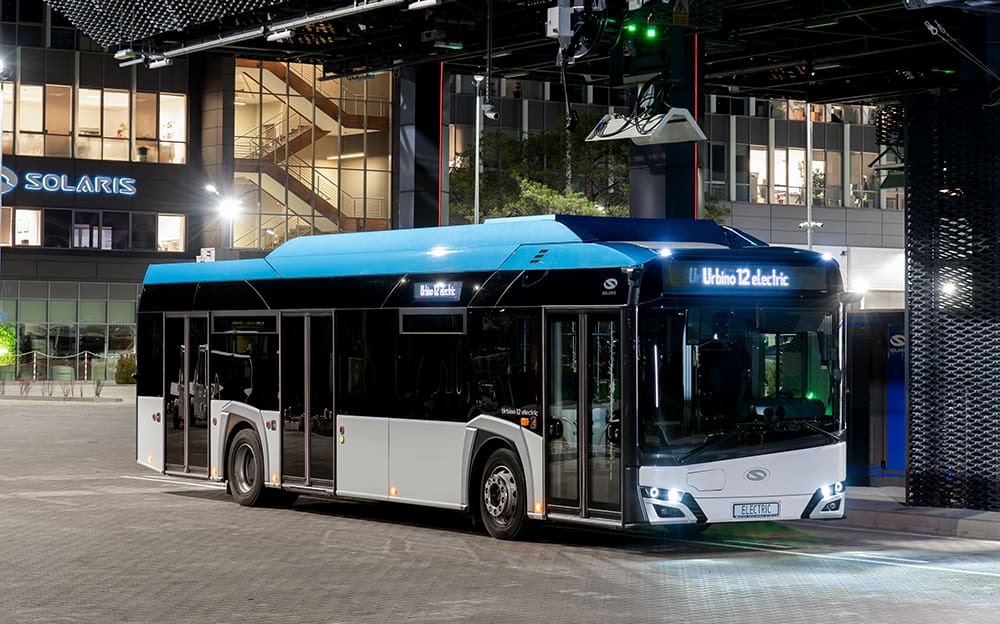
Scandinavia’s public transport sector is witnessing a transformative shift towards electrification. Nobina, a prominent public transport operator, has recently placed a substantial order for 103 Urbino 15 LE electric buses from the Polish manufacturer, Solaris Bus & Coach. These state-of-the-art e-buses are slated for delivery in 2027 and will be integrated into the public transport systems of key Swedish cities, including Stockholm, Skåne, and Göteborg.

This significant procurement builds upon Solaris’s already strong presence in the Swedish market. The company also secured an order for 101 electric buses from operator VR Sverige, destined for operations within the bustling Stockholm area. Such large-scale orders underscore the growing confidence in electric vehicle technology for mass transit.
Solaris reports that it has sold close to 300 electric buses in Sweden to date. With these newly awarded contracts and pending deliveries, Solaris anticipates its total contribution to Sweden’s **electric bus fleets** will exceed 550 units. This rapid expansion highlights Sweden’s strategic efforts to decarbonize its urban transportation and provide cleaner, quieter commuting options for its citizens.
Italy’s Menarini Ventures into New Electric Models
Italian bus manufacturer Menarini is making significant strides in expanding its presence across European markets while concurrently advancing its electric vehicle portfolio. The company is actively preparing for the launch of a new electric bus model and is deeply involved in the development of a Class II battery-electric project, designed specifically for intercity operations.
Andrea Lamonaca, Head of Sales at Menarini, elaborated on the company’s strategic shift: “Our sales network is expanding with direct entries in target markets. It is no longer about following occasional opportunities, but about continuously covering territories, especially Germany, France and Eastern Europe.” This approach signals a concerted effort to establish a sustained market presence beyond domestic borders.
At the upcoming Next Mobility Exhibition in Milan, Menarini is set to unveil comprehensive updates to its electric product line. This will include “new models and evolutionary updates on existing ones,” showcasing the manufacturer’s commitment to continuous innovation in the electric mobility sector.
A notable development is the Class II battery-electric vehicle, which represents Menarini’s foray into the intercity segment. Historically, the company has focused predominantly on urban buses. However, as Lamonaca observed, “electric technology for Class II is now more mature and infrastructure is growing.” This maturation of technology and supporting infrastructure is paving the way for the broader application of electric solutions across various public transport segments, further diversifying **electric bus fleets**.
Latin America and Africa Accelerate E-Bus Adoption
The movement towards sustainable public transportation is not confined to Europe; emerging economies in Latin America and Africa are also making substantial progress. These regions are increasingly recognizing the environmental and economic benefits of transitioning to electric public transport, despite unique infrastructure challenges.
Brazil’s Ambitious Electric Bus Targets
Brazil, a major player in the global South, is making significant strides in electrifying its public transit. According to CleanTechnica, the nation’s public transit fleet currently includes approximately 1,500 battery-electric buses, distributed across some 30 municipalities. The megalopolis of São Paulo accounts for the majority of these e-buses, spearheading the nation’s green initiatives.
The ambition does not stop there. Eight other cities across various regions of Brazil are poised to commission an additional 600 electric buses over the next year. This planned expansion signals a strong national commitment to scaling up **electric bus fleets**. The federal government has articulated an ambitious target: to deploy 38,000 renewable-energy-powered buses by 2035, which would represent a substantial 35% of the country’s entire transit stock.
However, this rapid transition is not without its hurdles. Brazilian transit agencies, much like their counterparts globally, are encountering a significant bottleneck: the high upfront costs associated with electrical infrastructure upgrades and the extensive lead times required to boost grid capacity at bus depots. Addressing these challenges is crucial for sustained growth.
To mitigate these obstacles, the International Council on Clean Transportation (ICCT) is providing crucial technical support to 20 Brazilian municipalities. The organization offers specialized modeling tools, such as the E-Bus Energy Sizing Tool, a sophisticated simulation framework designed to assist planners in accurately determining the necessary power capacity at the depot level. This support is vital for overcoming infrastructure constraints and accelerating the deployment of **electric bus fleets**.
Uganda’s Homegrown Electric Mobility Revolution
In a powerful demonstration of local innovation and commitment to sustainability, Uganda has successfully fielded a fleet of locally manufactured electric buses in its capital city, Kampala. The Independent, a local newspaper, reports that E-Bus Xpress Kiira, a subsidiary of the state-owned Kiira Motors, has officially inaugurated electric mass transit operations within the city.
These new e-buses are strategically operating along high-demand commuter corridors within Kampala’s central business district, addressing pressing urban mobility needs with eco-friendly solutions. The company harbors ambitious plans to significantly expand its electric fleet in Kampala, targeting 300 buses by mid-2028, which would transform the city’s public transport landscape.
At a national level, Uganda has outlined an even broader vision: to deploy 1,500 electric buses across 14 cities, supported by a comprehensive network of 260 charging stations. This national strategy underscores a holistic approach to sustainable mobility, integrating manufacturing, deployment, and infrastructure development. Notably, in eastern Uganda, electric buses have already been operational, serving routes linking Jinja and surrounding towns since 2024, demonstrating early success and feasibility.
Minister of Works and Transport Edward Katumba Wamala articulated the broader governmental commitment: “This initiative demonstrates our commitment as a government to modernize mobility, reduce reliance on fossil fuels, and support locally manufactured solutions that create jobs and drive economic growth for our country.” This statement highlights the multi-faceted benefits of the initiative, encompassing environmental sustainability, economic development, and job creation through the growth of **electric bus fleets**.
Innovating Charging Infrastructure for Electric Bus Fleets
The effective management of charging infrastructure is as critical as the buses themselves for the success of **electric bus fleets**. Innovative solutions are being developed and piloted to optimize energy consumption, integrate with national grids, and ensure operational efficiency.
UK’s First Bus Pilots Smart Charging Solutions
In the United Kingdom, transit operator First Bus is at the forefront of pioneering intelligent charging solutions for its electric bus depots. In collaboration with Optimo Energy, First Bus is piloting managed charging systems designed to optimize energy usage and support grid stability. The First Bus depot in Glasgow is already enrolled in this initiative, with the Great Yarmouth depot in Norfolk soon to follow.
These depots will be integrated into the National Grid balancing mechanism, a critical system responsible for balancing electricity supply and demand across the network. By leveraging this mechanism, the depots can dynamically control their e-buses’ charging schedules. This allows them to strategically increase demand during periods of excess renewable energy generation—particularly wind power in Scotland—and conversely, reduce demand during peak periods when grid strain is highest.
Isabel McAllister, Chief Sustainability Officer for First Bus, emphasized the strategic importance of this pilot: “We’ve built significant electric capacity across our depots, and the next step is using it more intelligently. By charging when the grid needs us to, we can help reduce wasted renewable energy, support system stability and improve the overall economics of electrification.” This smart approach not only benefits First Bus but also contributes to the broader energy ecosystem.
First Bus has already deployed over 1,400 zero-emission vehicles, constituting approximately a quarter of its total fleet. The company operates 20 dedicated electric depots across the UK, with several more scheduled for completion by the end of the year, signaling a rapid expansion of its electric operations. Furthermore, First Bus has extended its commitment to sustainable infrastructure by opening up its depot-based charging infrastructure to third parties through its innovative ‘First Charge’ offering, fostering wider adoption and efficiency in managing **electric bus fleets**.
Conclusion
The global landscape for public transportation is undergoing a profound transformation, with **electric bus fleets** emerging as a key driver of sustainable urban development. From the strategic procurement decisions in Sweden and Italy’s manufacturing innovations to Brazil’s ambitious national electrification targets and Uganda’s commitment to homegrown solutions, the momentum is undeniable.
Concurrently, pioneering efforts in intelligent charging management, exemplified by First Bus in the UK, are addressing critical infrastructure challenges, ensuring that the transition to electric mobility is not only environmentally beneficial but also economically viable and operationally efficient. These concerted efforts across continents underscore a shared global vision for cleaner air, reduced carbon emissions, and more sustainable public transport systems for future generations.
Frequently Asked Questions (FAQ)
Q1: What is driving the global increase in electric bus fleets?
The surge in global electric bus fleets is primarily driven by national and municipal commitments to reduce carbon emissions, improve air quality in urban areas, and achieve sustainable development goals. Advancements in battery technology, falling operational costs, and supportive government policies also play significant roles.
Q2: How are countries like Brazil addressing the high upfront costs of electric bus infrastructure?
Brazil, like many nations, faces challenges with high upfront costs. To address this, organizations like the International Council on Clean Transportation (ICCT) are providing technical support and modeling tools, such as the E-Bus Energy Sizing Tool, to help municipalities efficiently plan and manage infrastructure upgrades and grid capacity at depots.
Q3: What role do local manufacturers play in the growth of electric bus fleets?
Local manufacturers, such as E-Bus Xpress Kiira in Uganda, are crucial for fostering domestic economic growth, creating jobs, and tailoring electric bus solutions to specific local needs and operating conditions. Their involvement reduces reliance on imports and strengthens national self-sufficiency in sustainable mobility.
Q4: How is managed charging benefiting electric bus depots in the UK?
Managed charging, piloted by First Bus, allows depots to intelligently schedule electric bus charging. By integrating with the National Grid, depots can charge when there’s excess renewable energy and reduce demand during peak times, thereby optimizing energy costs, supporting grid stability, and maximizing the use of green energy sources.
Q5: What are the future projections for electric bus adoption in the mentioned regions?
Projections are highly ambitious. Sweden and Italy are continuously expanding their fleets and developing new models. Brazil targets 38,000 renewable-energy buses by 2035, while Uganda aims for 1,500 electric buses across 14 cities. These plans indicate a robust, long-term commitment to electrifying public transport globally.