
Key Takeaways
- Global adoption of electric buses is accelerating, with significant fleet expansions planned and underway across diverse regions including Europe, South America, and Africa.
- Sweden is set to deploy over 200 new electric buses by 2027, consolidating its position as a leading market for sustainable public transport.
- Italian OEM Menarini is expanding its European market presence and advancing new electric bus models, including an intercity coach, signaling a shift towards broader EV applications.
- Brazil aims for 38,000 renewable-energy-powered buses by 2035, tackling charging infrastructure challenges with international support.
- Uganda has launched locally manufactured electric buses in Kampala, with ambitious plans to deploy 1,500 e-buses nationally, fostering economic growth and reducing fossil fuel reliance.
- The UK’s First Bus is pioneering managed charging pilots at its depots, integrating **electric bus news** with grid stability and renewable energy optimization.
In a significant global acceleration towards sustainable public transport, electric bus fleets are experiencing rapid expansion across four continents. From the Nordics to South America and East Africa, nations are vigorously investing in zero-emission mobility, driven by environmental mandates, technological advancements, and a growing commitment to urban decarbonisation. These developments, unfolding as of May 2026, highlight a transformative period in the public transit sector.
Concurrently, pioneering initiatives in smart charging infrastructure are emerging, exemplified by a major UK transit operator piloting managed charging solutions. This integrated approach not only boosts fleet efficiency but also contributes to national grid stability, underscoring the multifaceted benefits and evolving strategies in the realm of electric vehicle (EV) deployment.

Sweden Leads European Electrification with Major E-Bus Orders
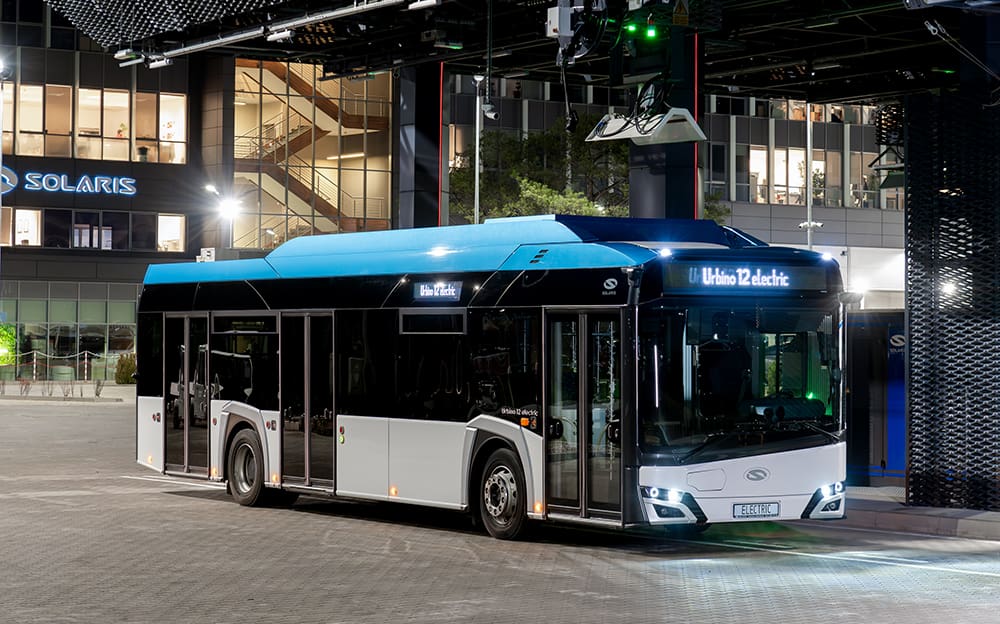
Sweden continues to solidify its reputation as a vanguard in sustainable urban transit, with substantial new orders for electric buses signaling a robust commitment to fleet electrification. Nobina, a prominent Scandinavian public transport operator, has placed a significant order for 103 Urbino 15 LE electric buses from Solaris Bus & Coach. These state-of-the-art e-buses are slated for delivery in 2027 and will enhance public transport services in key Swedish cities, including Stockholm, Skåne, and Göteborg.
This latest procurement follows a recent order secured by Solaris for an additional 101 electric buses from VR Sverige, another major operator, specifically for deployment within the bustling Stockholm area. Such large-scale investments underscore the nation’s strategic push towards a cleaner, more efficient public transportation network, generating significant **electric bus news** in the region.
Solaris, a leading European manufacturer, reports impressive sales figures in the Swedish market, having sold nearly 300 electric buses to date. With these newly awarded and pending contracts, the company anticipates its total deliveries in Sweden to surpass 550 units. This growth reflects the increasing demand for reliable and high-performance zero-emission vehicles across the country, aligning with national environmental objectives.

Menarini Expands European Reach and Innovates Electric Offerings
Italian bus manufacturer Menarini is making strategic strides in expanding its footprint across European markets. The company is not only bolstering its sales network but also preparing to unveil new electric bus models and advance a Class II battery-electric project. This expansion signals Menarini’s ambition to become a more dominant player in the continent’s rapidly electrifying public transport landscape.
Andrea Lamonaca, Head of Sales at Menarini, elaborated on the company’s proactive market strategy: “Our sales network is expanding with direct entries in target markets. It is no longer about following occasional opportunities, but about continuously covering territories, especially Germany, France and Eastern Europe.” This focused approach aims to establish a consistent presence in key regions driving EV adoption.
Anticipation is building for the upcoming Next Mobility Exhibition in Milan, where Menarini is poised to introduce significant updates to its electric product line. This includes the launch of new models and evolutionary enhancements to its existing offerings, reflecting continuous innovation in battery-electric vehicle technology.
Beyond urban applications, Menarini is actively developing a Class II battery-electric vehicle, specifically designed for intercity bus operations. Lamonaca highlighted the strategic shift: “Historically we have been very focused on urban buses [but] electric technology for Class II is now more mature and infrastructure is growing.” This move into the intercity segment demonstrates the evolving versatility and market readiness of electric bus solutions.
Brazil Targets Massive Electric Bus Deployment by 2035
Brazil is embarking on an ambitious journey to transform its public transit system, with approximately 1,500 battery-electric buses already operating across some 30 municipalities, as reported by CleanTechnica. This foundational fleet is poised for substantial growth, with eight cities in various regions planning to commission an additional 600 electric buses within the next year, underscoring a nationwide commitment to greener urban mobility.
The federal government has articulated a bold vision, setting a target to deploy 38,000 renewable-energy-powered buses by 2035. This monumental undertaking aims to electrify 35% of the nation’s entire transit stock, marking one of the most significant decarbonization efforts in the global public transport sector and providing substantial **electric bus news** from South America.
However, like many countries undergoing rapid electrification, Brazilian transit agencies are encountering a critical bottleneck: the high upfront costs associated with electrical upgrades and the extensive lead times required to boost grid capacity at bus depots. Addressing these infrastructure challenges is paramount for achieving the ambitious national targets.
To mitigate these hurdles, the International Council on Clean Transportation (ICCT) is providing crucial technical support to 20 Brazilian municipalities. The organisation offers specialised modeling tools, such as the E-Bus Energy Sizing Tool. This advanced simulation framework empowers urban planners to accurately determine the precise power capacity needed at the depot level, ensuring efficient and cost-effective infrastructure development for the growing electric bus fleet.
Uganda Launches Locally Manufactured Electric Buses, Eyes National Expansion
Uganda is making significant strides in fostering domestic innovation and sustainable transport solutions with the deployment of locally manufactured electric buses in its capital, Kampala. The Independent, a local newspaper, confirmed that E-Bus Xpress Kiira, a subsidiary of the state-owned Kiira Motors, has officially inaugurated electric mass transit operations within the city, marking a milestone in African EV adoption.
These new e-buses are currently serving high-demand commuter corridors within Kampala’s central business district, providing cleaner and quieter transport for residents. The company has ambitious plans to expand its electric fleet in Kampala to 300 buses by mid-2028, significantly enhancing the city’s public transport infrastructure and contributing to local **electric bus news**.
On a national scale, Uganda has outlined a comprehensive strategy to deploy 1,500 electric buses across 14 cities, supported by a network of 260 charging stations. This robust infrastructure development is crucial for facilitating widespread electric bus adoption and ensuring operational efficiency across diverse urban environments.
The commitment to electric mobility is not new; electric buses have already been operational in eastern Uganda since 2024, serving routes connecting Jinja and surrounding towns. This phased approach demonstrates a well-thought-out strategy for integrating electric vehicles into the national transport system.
Minister of Works and Transport Edward Katumba Wamala underscored the broader implications of this initiative, stating: “This initiative demonstrates our commitment as a government to modernize mobility, reduce reliance on fossil fuels, and support locally manufactured solutions that create jobs and drive economic growth for our country.” This highlights the multi-faceted benefits, encompassing environmental sustainability, economic development, and energy independence.
First Bus Pilots Managed Charging for Enhanced Grid Stability in the UK
In a forward-thinking move to optimise energy consumption and support grid stability, UK transit operator First Bus, in collaboration with Optimo Energy, is pioneering managed charging solutions at its electric bus depots. This innovative pilot program aims to intelligently control charging schedules, aligning them with national electricity supply and demand dynamics.
The First Bus depot in Glasgow is currently enrolled in the National Grid balancing mechanism, a critical system designed to maintain equilibrium between electricity supply and demand across the UK. The Great Yarmouth depot in Norfolk is also slated to join this program soon, expanding the reach of this smart charging initiative.
By actively managing the e-buses’ charging schedules, these depots can strategically increase demand during periods of excess renewable energy generation, particularly from wind power in Scotland. Conversely, they can reduce demand during peak periods, thereby alleviating strain on the grid and enhancing overall system stability. This integration of fleet management with energy grid management is a significant development in **electric bus news**.
Isabel McAllister, Chief Sustainability Officer for First Bus, articulated the strategic vision behind the pilot: “We’ve built significant electric capacity across our depots, and the next step is using it more intelligently. By charging when the grid needs us to, we can help reduce wasted renewable energy, support system stability and improve the overall economics of electrification.” This approach not only maximises the utilisation of green energy but also improves the economic viability of electric fleets.
First Bus currently operates over 1,400 zero-emission vehicles, representing approximately a quarter of its total fleet, demonstrating a substantial investment in sustainable transport. The company manages 20 electric depots across the UK, with several more scheduled for completion by the end of the year, further expanding its green infrastructure.
In a move to foster broader EV adoption and infrastructure sharing, First Bus has also opened its depot-based charging infrastructure to third parties through its ‘First Charge’ offering. This initiative provides external entities with access to robust charging facilities, potentially accelerating the transition to electric vehicles across various sectors.
Frequently Asked Questions (FAQ)
What is driving the global surge in electric bus adoption?
The global surge is primarily driven by environmental mandates to reduce carbon emissions, advancements in battery technology, and increasing government support for sustainable urban transport. Nations are seeking to improve air quality, reduce reliance on fossil fuels, and modernize their public transit systems with zero-emission solutions.
Which countries are seeing significant growth in electric bus fleets?
Major growth is observed in countries like Sweden, with substantial new orders from operators like Nobina and VR Sverige. Brazil has ambitious national targets for 38,000 electric buses by 2035, while Uganda is focusing on locally manufactured e-buses for its urban centers and national network.
What challenges do countries like Brazil face in deploying electric buses?
Brazil, despite its ambitious goals, faces significant challenges related to the high upfront costs of electrical infrastructure upgrades and the long lead times required to enhance grid capacity at bus depots. International organizations like ICCT are providing technical support to overcome these hurdles.
How is Uganda supporting its electric bus initiative?
Uganda is supporting its initiative through local manufacturing by E-Bus Xpress Kiira, a subsidiary of state-owned Kiira Motors. The country plans to deploy 1,500 electric buses across 14 cities, supported by 260 charging stations, demonstrating a commitment to domestic production and infrastructure development.
What is ‘managed charging’ for electric bus depots?
Managed charging involves intelligently controlling the charging schedules of electric buses at depots. This allows operators, such as First Bus in the UK, to increase demand when renewable energy supply is high (e.g., wind power) and reduce demand during peak grid periods, thereby supporting grid stability and optimising renewable energy use.
How does managed charging benefit both transit operators and the electricity grid?
For transit operators, managed charging improves the economics of electrification by leveraging cheaper off-peak electricity and reducing wasted renewable energy. For the electricity grid, it enhances stability by balancing supply and demand, easing pressure during peak times, and better integrating intermittent renewable sources like wind power.
What are Menarini’s plans for its electric bus line?
Menarini, an Italian OEM, is expanding its sales network across Europe and developing new electric bus models. Crucially, it is advancing a Class II battery-electric vehicle project, moving beyond traditional urban buses to develop electric intercity coaches, reflecting the growing maturity of EV technology for longer routes.