
Key Takeaways:
- Hyundai Motor Group and SK On have officially commenced early production at their $5 billion electric vehicle battery plant in Bartow County, Georgia.
- This joint venture, Hyundai SK Battery Manufacturing America, is designed to eventually produce 35 gigawatt-hours (GWh) of batteries annually, enough for 300,000 EVs.
- The facility is a cornerstone of Georgia’s burgeoning EV manufacturing ecosystem, projected to create approximately 3,500 jobs.
- The operational launch underscores Hyundai and Kia’s unwavering commitment to electrification despite recent fluctuations in the U.S. EV market.
- Georgia continues to attract significant investments in the electric vehicle supply chain, solidifying its position as a key player in the nation’s energy transition.
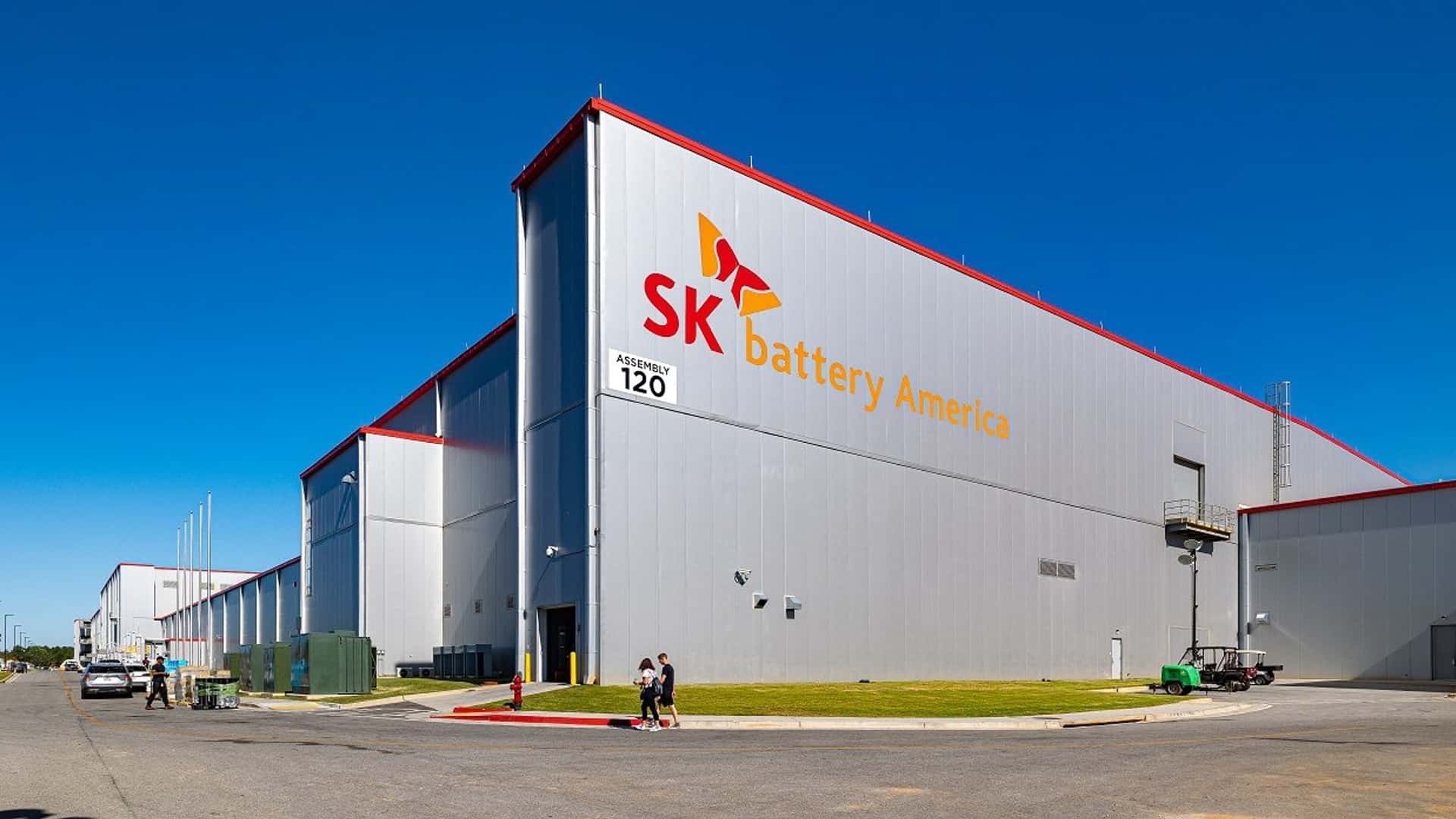
BARTOW COUNTY, GEORGIA – Hyundai Motor Group and its Korean battery partner, SK On, have officially initiated production at their expansive $5 billion electric vehicle battery manufacturing facility in Bartow County, Georgia. This landmark development marks a crucial step in localizing the EV supply chain within the United States, positioning Georgia as a vital hub for future automotive electrification.

The joint venture, known as Hyundai SK Battery Manufacturing America, began trial operations last month and is now in an early production phase, with a strategic plan for gradual escalation. This facility is a testament to one of Georgia’s most significant economic development endeavors, aiming to bolster domestic battery production for Hyundai and Kia while cultivating a comprehensive EV manufacturing ecosystem designed for long-term growth.
A Cornerstone Investment in EV Battery Manufacturing
The operational launch of the Hyundai EV battery plant Georgia is a pivotal moment for the state’s industrial landscape. First announced in 2022, the plant was initially slated to commence production last year, underscoring the rapid pace of development in the electric vehicle sector.
With an investment reaching an impressive $5 billion, the facility is poised to become a critical component of Hyundai’s global electrification strategy. Once operating at its full capacity, the plant is expected to produce 35 gigawatt-hours (GWh) of battery cells annually, sufficient to power an estimated 300,000 electric vehicles each year.
This substantial capacity will directly supply Hyundai’s nearby Metaplant America near Savannah, as well as Kia’s manufacturing facility in West Point. The strategic co-location of battery production with vehicle assembly lines is crucial for streamlining logistics, enhancing efficiency, and reducing reliance on international supply chains.
Economic Revitalization and Job Creation
The new 3.3-million-square-foot facility is not merely an industrial complex; it represents a significant economic catalyst for Bartow County and the broader Georgia region. The project is projected to generate approximately 3,500 new jobs, providing substantial employment opportunities in advanced manufacturing.
These jobs encompass a wide range of specialized roles, from engineering and production to logistics and administration, contributing to skill development and economic diversification in the region. The influx of high-value manufacturing jobs is expected to have a ripple effect, stimulating growth in ancillary industries and local services.
However, the timeline for achieving full operational capacity and realizing the full job potential remains contingent on market dynamics. The automotive industry continues to monitor the evolving demand for electric vehicles in the U.S. market.
Navigating the Evolving EV Market Landscape
The commissioning of the Hyundai EV battery plant Georgia occurs amidst a period of notable shifts in the electric vehicle market. While the long-term trajectory for EVs remains upward, the U.S. has experienced a recent slowdown in sales growth, partly attributed to the conclusion of certain federal tax credits and evolving consumer preferences.
Despite these market adjustments, which have led some American automakers to scale back their immediate EV ambitions to concentrate on more profitable internal combustion engine (ICE) trucks and SUVs, Hyundai and Kia have largely maintained their aggressive electrification strategies. Their commitment is evident in their continued investment in dedicated EV platforms and manufacturing capabilities.
This steadfast approach underscores a long-term vision that transcends short-term market fluctuations. By building robust domestic production capabilities, Hyundai and Kia aim to secure a competitive edge and reduce vulnerabilities in their supply chain.
Georgia: A Growing Epicenter for Electric Mobility
Georgia’s strategic location, supportive business environment, and skilled workforce have attracted substantial investment from leading global automotive players, solidifying its reputation as a burgeoning epicenter for electric mobility. The Hyundai-SK On joint venture is a prime example of this industrial migration.
Beyond this new facility, Hyundai also operates another significant battery joint venture in Bartow County with Korean battery giant LG Energy Solution. This 50-50 partnership, known as HL-GA Battery Company, represents a $4.3 billion investment and was originally designed to produce 30 GWh of battery capacity, sufficient for another 300,000 EVs annually.
This specific plant garnered attention last year due to an immigration raid that resulted in production delays and the detention of Korean nationals involved in its setup. Such incidents highlight the complex operational challenges faced by large-scale international manufacturing projects.
The state’s appeal extends beyond Hyundai. Rivian, another prominent electric vehicle manufacturer, is actively planning a massive, multi-billion-dollar plant in Georgia. While Rivian’s R2 vehicle is currently rolling off the line at an expanded factory in Normal, Illinois, the forthcoming Georgia plant is anticipated to significantly boost R2 capacity. It is also slated for the production of the smaller R3 model and the 50,000 robotaxis Rivian intends to build in collaboration with Uber.
The Road Ahead: Scaling Production and Future Prospects
The activation of the Hyundai EV battery plant Georgia marks a significant milestone, yet the journey to full capacity will be a measured one. The company’s strategy involves a gradual ramp-up of production, allowing for optimization of processes, training of the workforce, and adaptation to market demand.
This systematic approach is essential for ensuring quality and efficiency in such a complex manufacturing operation. The long-term success of these investments hinges on sustained consumer interest in electric vehicles and a supportive regulatory environment.
Hyundai and Kia’s continued investment in dedicated EV platforms, such as the Ioniq 5 crossover and the three-row Ioniq 9 SUV assembled at Metaplant America, and the Kia EV6 and EV9 produced at Kia’s West Point facility, showcases a robust, vertically integrated strategy. This integration of battery and vehicle production within Georgia underscores the state’s strategic importance to their global electrification ambitions.
Conclusion
The official start of production at the Hyundai-SK On battery plant in Bartow County is a pivotal moment for both the companies and the state of Georgia. Representing a significant investment in advanced manufacturing and a commitment to sustainable mobility, this facility solidifies Georgia’s growing role in the global electric vehicle supply chain. Despite the evolving dynamics of the EV market, Hyundai’s strategic move to onshore battery production reflects a long-term vision for leadership in the electric automotive era, promising substantial economic benefits and technological advancements for the region.
FAQ Section
What is the primary purpose of the new Hyundai-SK On plant in Georgia?
The plant, a $5 billion joint venture between Hyundai Motor Group and SK On, aims to localize electric vehicle battery production in the U.S. It will supply battery packs for Hyundai and Kia EVs manufactured in Georgia, bolstering the domestic EV supply chain and supporting the companies’ electrification strategies.
What is the production capacity of the Hyundai SK Battery Manufacturing America facility?
Once fully operational, the Hyundai SK Battery Manufacturing America plant in Bartow County, Georgia, is designed to produce 35 gigawatt-hours (GWh) of battery cells annually. This capacity is sufficient to power approximately 300,000 electric vehicles each year, significantly contributing to EV production.
How many jobs will the Hyundai EV battery plant Georgia create?
The new Hyundai EV battery plant Georgia is expected to generate around 3,500 direct jobs within Bartow County. These high-value manufacturing positions will contribute to the local economy and foster a skilled workforce specializing in advanced battery production technologies.
Why is Georgia attracting so much investment in the EV sector?
Georgia offers a strategic location, a supportive business environment, and a growing skilled workforce, making it attractive for EV manufacturers. State incentives, robust infrastructure, and proximity to major transportation hubs also play a crucial role in drawing significant investments from companies like Hyundai, SK On, LG Energy Solution, and Rivian.
Is Hyundai involved in other battery manufacturing projects in Georgia?
Yes, in addition to the joint venture with SK On, Hyundai Motor Group also has a 50-50 joint venture with LG Energy Solution, known as HL-GA Battery Company, also located in Bartow County. This $4.3 billion project aims to produce 30 GWh of battery capacity, further expanding Hyundai’s manufacturing footprint in the state.
How is Hyundai adapting to the current U.S. EV market slowdown?
Despite a recent slowdown in U.S. EV sales and some automakers scaling back, Hyundai and Kia have maintained their commitment to electrification. Their strategy involves significant investments in dedicated EV manufacturing facilities like the Hyundai EV battery plant Georgia and co-locating battery production with vehicle assembly, signaling a long-term commitment to the EV market.