
Key Takeaways (TL;DR):
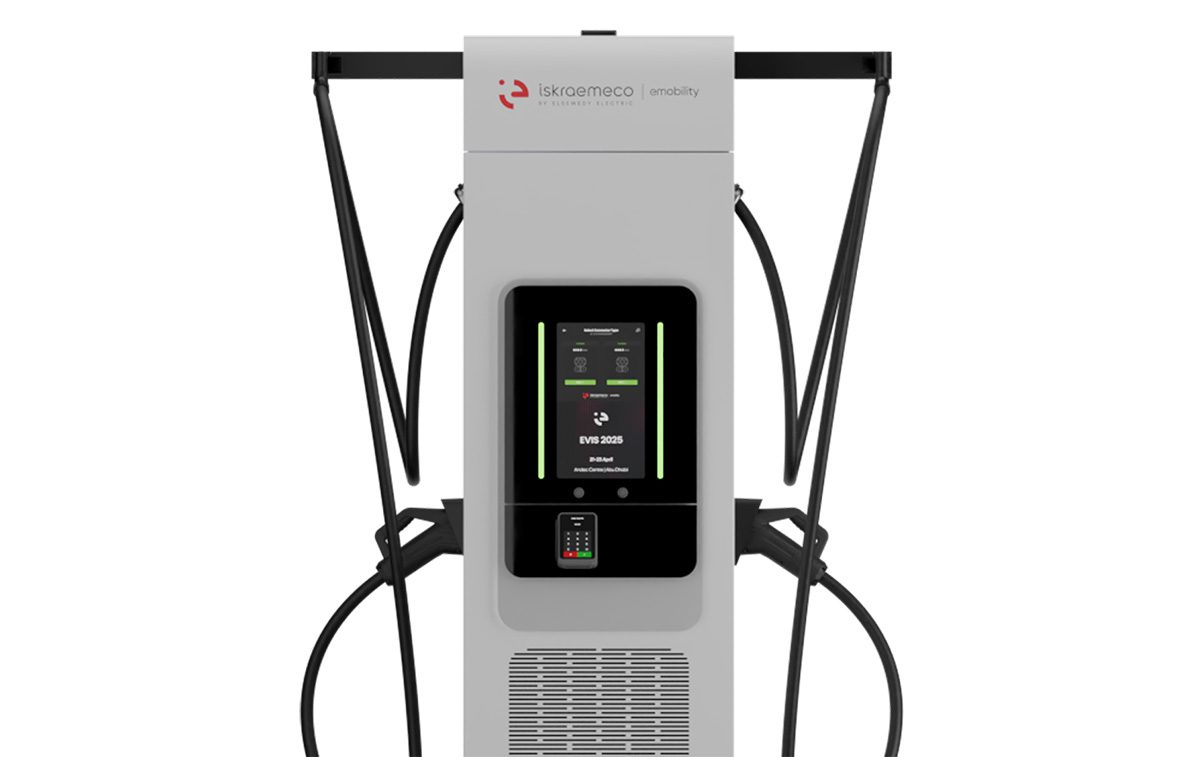
- Iskraemeco eMobility has launched the iFC240, a new modular DC fast EV charger.
- The iFC240 offers configurations from 120 kW to 240 kW, designed for scalability and minimal downtime.
- Key features include CCS2 connector, 15-inch display, DC MID meter for accurate billing, and OCPP/RFID support.
- It integrates with Iskraemeco eMobility Datalink for real-time monitoring and network optimization.
- The charger is aimed at public networks, commercial fleets, and high-demand charging corridors, enhancing EV infrastructure.
Revolutionising EV Charging: Iskraemeco eMobility Introduces Modular DC Fast Charger
Iskraemeco eMobility, a prominent European provider of advanced electric vehicle (EV) charging solutions, has officially announced the release of its groundbreaking, new-generation modular DC fast charging station. This significant development marks a pivotal step forward in addressing the evolving demands of EV infrastructure across various sectors.

Dubbed the iFC240, this all-in-one DC fast charger is meticulously engineered to cater to the rigorous requirements of public charging networks, expansive commercial fleets, and high-traffic charging corridors. Its introduction promises enhanced flexibility, operational efficiency, and a superior charging experience for EV users and operators alike.
The iFC240: Designed for Scalability and Future-Proofing
A cornerstone of the iFC240’s design philosophy is its inherent modularity. This innovative structure allows for remarkable versatility, with power configurations ranging from 120 kW to a robust 240 kW. Such adaptability is crucial in an rapidly expanding market where charging needs are constantly escalating.
The modularity is specifically engineered to empower operators to effortlessly scale power capabilities or integrate additional features as demand grows, all while ensuring minimal downtime. This forward-thinking approach provides a cost-effective solution for future-proofing EV charging infrastructure investments, allowing for incremental upgrades rather than complete overhauls.
Tailored for Diverse Charging Environments
The strategic design of the iFC240 makes it an ideal fit for a multitude of applications. For public networks, its high power output and reliability ensure quick turnaround times, boosting user satisfaction and throughput. Commercial fleets, with their demanding operational schedules, will benefit from the fast charging capabilities that minimise vehicle downtime and maximise fleet utilisation.
Similarly, in high-demand charging corridors—areas experiencing significant EV traffic—the ability to deliver substantial power quickly is paramount. The iFC240’s performance ensures that congestion is alleviated and range anxiety is diminished, contributing to a smoother overall EV ecosystem.
Advanced Features for Optimal Performance and User Experience
The iFC240 is packed with a comprehensive suite of features designed to ensure optimal performance, regulatory compliance, and an intuitive user experience. Each component has been carefully selected and integrated to provide a seamless charging process.
Universal Connectivity with CCS2
The inclusion of a CCS2 connector is a critical feature, ensuring broad compatibility with a vast majority of electric vehicles prevalent in the European market and increasingly adopted globally. This standardisation is vital for an interconnected and accessible charging infrastructure.
Intuitive User Interface
A prominent 15-inch sunlight-readable display enhances the user experience significantly. This large, clear interface provides essential charging information, payment instructions, and operational status, even in bright outdoor conditions. Such clarity reduces user frustration and streamlines the charging process from start to finish.
Precision Energy Measurement and Regulatory Compliance
The iFC240 incorporates a DC MID meter. This feature is crucial for ensuring precise energy measurement, which is fundamental for accurate billing and adherence to stringent regulatory compliance standards. The Measurement Instruments Directive (MID) certification provides assurance of metrological accuracy and fairness in transactions, building trust between operators and consumers.
Seamless Communication and Authentication
Support for OCPP (Open Charge Point Protocol) backend communication is a cornerstone of the iFC240’s operational flexibility. OCPP enables seamless integration with various central management systems, allowing operators to remotely monitor, manage, and troubleshoot their charging stations. This interoperability is key to building expansive and efficient charging networks.
Furthermore, RFID authentication offers a secure and convenient method for users to initiate and pay for charging sessions. This widely accepted technology provides a reliable layer of access control and payment processing.
Future-Ready Charging: Optional Plug & Charge
The optional Plug & Charge capability represents the pinnacle of user convenience. When activated, this feature allows an EV to communicate directly with the charging station for authentication and billing purposes simply by plugging in. It eliminates the need for RFID cards, apps, or other manual authentication steps, providing a truly effortless charging experience and aligning with future e-mobility trends.
Intelligent Power Management
Integrated load management is a vital component for optimising energy distribution within a charging hub or across a network. This intelligent system dynamically allocates available power among multiple charging points, preventing overloading and ensuring that each connected EV receives power efficiently. It enhances grid stability and maximises the utilisation of existing electrical infrastructure.
Data-Driven Network Optimisation with Datalink
A significant advantage of the iFC240 is its seamless integration with Iskraemeco eMobility Datalink. This scalable platform provides real-time monitoring, comprehensive analytics, and robust network optimisation tools. Operators can leverage valuable insights into charger performance, energy consumption patterns, and user behaviour.
The Datalink platform also supports marketing management, allowing operators to analyse trends, tailor services, and enhance customer engagement effectively. This data-driven approach is instrumental for strategic planning and continuous improvement of charging services.
Iskraemeco eMobility’s Contribution to Sustainable Transport
The launch of the iFC240 underscores Iskraemeco eMobility’s commitment to advancing sustainable transportation by providing reliable, efficient, and user-friendly EV charging solutions. As the global shift towards electric vehicles accelerates, the demand for robust and intelligent charging infrastructure becomes ever more critical.
By delivering a modular DC fast EV charger that combines high power output with advanced features and seamless integration capabilities, Iskraemeco eMobility is poised to play a significant role in shaping the future of e-mobility. The iFC240 stands as a testament to the company’s expertise and dedication to innovation in the EV charging landscape.
The Broader Impact on EV Infrastructure Development
The deployment of advanced modular DC fast EV charger solutions like the iFC240 is fundamental to overcoming existing barriers to EV adoption. By enhancing the speed, reliability, and accessibility of charging, such innovations bolster consumer confidence and accelerate the transition away from fossil fuel-powered vehicles.
For city planners, fleet managers, and private investors, the iFC240 offers a compelling solution that is both adaptable to current needs and scalable for future growth. Its comprehensive feature set ensures operational excellence, making it a valuable asset in the ongoing development of a resilient and interconnected global EV charging network.
FAQ Section
What is the Iskraemeco eMobility iFC240?
The Iskraemeco eMobility iFC240 is a new-generation modular DC fast EV charger designed for public charging networks, commercial fleets, and high-demand corridors, offering scalable power configurations from 120 kW to 240 kW.
What makes the iFC240 a “modular” charger?
Its modular structure allows operators to easily scale its power output or integrate additional features over time. This design ensures adaptability to changing demands and future technological advancements with minimal disruption.
Which types of vehicles can use the iFC240 charger?
The iFC240 is equipped with a CCS2 connector, making it compatible with a wide range of electric vehicles commonly found in Europe and many other global markets that adhere to this charging standard.
Why is the DC MID meter important for EV charging?
The DC MID meter ensures highly precise energy measurement during charging sessions. This accuracy is critical for transparent and fair billing practices and helps operators comply with national and international regulatory standards for metering instruments.
What is the significance of Plug & Charge capability?
Plug & Charge, an optional feature, provides an incredibly convenient user experience. It allows an EV to automatically authenticate and authorise a charging session upon plugging in, eliminating the need for separate apps, cards, or manual payment steps.
How does the Iskraemeco eMobility Datalink enhance charger operations?
The Datalink platform provides operators with real-time monitoring, in-depth analytics, and tools for network optimisation and marketing management. This data-driven approach allows for efficient operation, improved service delivery, and strategic business planning.
Where is the iFC240 primarily intended for deployment?
The iFC240 is specifically designed for public charging infrastructure, large commercial fleets requiring rapid charging capabilities, and high-traffic areas such as major highways and urban corridors where fast charging is essential.
Does the iFC240 support smart grid integration?
Yes, with its integrated load management system, the iFC240 can optimise power distribution across multiple charging points, preventing grid overload and enabling more efficient energy use, which is crucial for smart grid integration.