
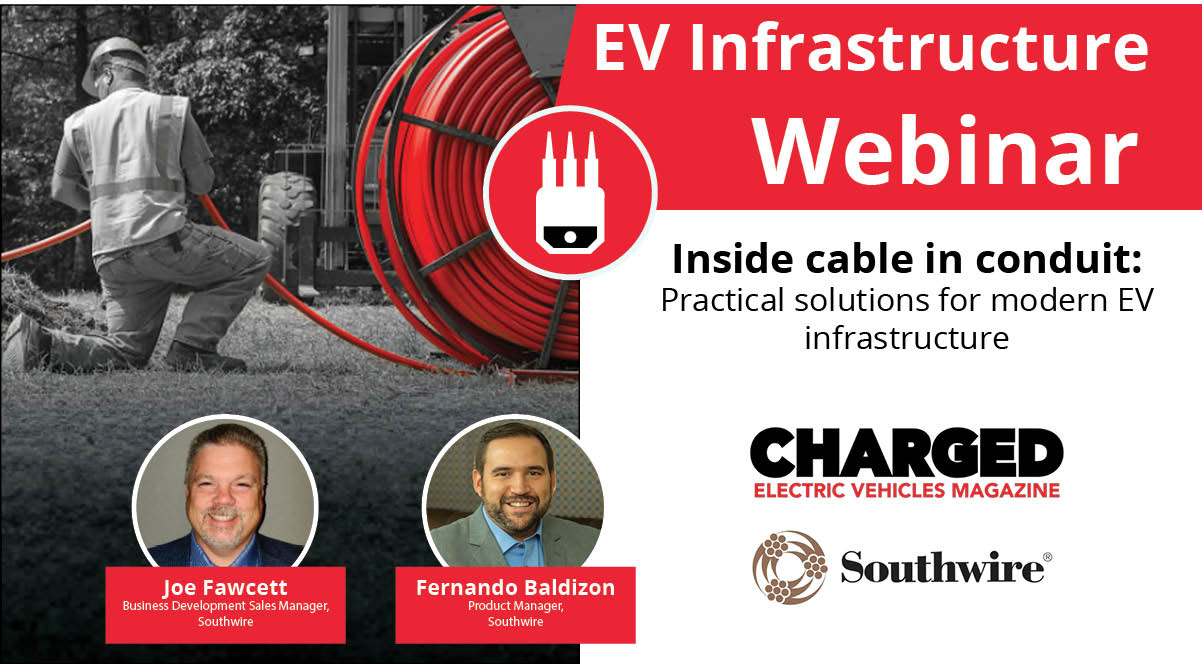
Key Takeaways for EV Charging Infrastructure Solutions
This comprehensive guide delves into critical aspects of deploying reliable and efficient electric vehicle (EV) charging infrastructure. Key insights include a foundational understanding of cable in conduit systems and their practical applications. It outlines best practices for selecting appropriate conduits, executing precise cable pulling, and implementing optimal installation methods tailored for EV charging sites. The article also highlights strategies to identify and proactively mitigate common installation challenges that could lead to delays or damage. Furthermore, it details effective approaches for improving project execution, enhancing scheduling, and ensuring seamless field coordination. Ultimately, the focus is on providing opportunities to significantly reduce operational risks and elevate overall installation efficiency in EV infrastructure projects.
As the global transition to electric vehicles accelerates, the development of robust and reliable EV charging infrastructure becomes paramount. The efficiency and longevity of these crucial charging networks hinge significantly on the underlying electrical systems that power them. Among the foundational elements for successful deployment are advanced cable in conduit solutions, which play a vital role in ensuring safe, efficient, and durable power delivery.

Experts in the field are consistently exploring practical solutions to meet the escalating demands of modern EV infrastructure. Understanding the intricacies of cable in conduit systems, from their fundamental principles to their real-world applications, is essential for stakeholders across utility, industrial, and dedicated EV charging projects.
The Critical Role of Cable in Conduit in EV Charging Infrastructure
Cable in conduit refers to the strategic practice of installing electrical cables within protective conduits. This method is fundamental for safeguarding electrical wiring from environmental factors, physical damage, and ensuring long-term operational integrity. In the context of expanding EV charging infrastructure, this approach is indispensable.
The applications for cable in conduit systems are diverse, spanning various types of EV charging sites. From public fast-charging stations to commercial fleet depots and even large-scale residential charging hubs, these systems provide a secure pathway for power cables. They are particularly critical in underground installations where cables are exposed to moisture, soil corrosion, and potential excavation damage.

Ensuring the long-term reliability of EV charging points is not merely about the chargers themselves but also the unseen infrastructure that connects them to the grid. Properly installed cable in conduit systems minimise maintenance needs and reduce the likelihood of costly service interruptions. This contributes directly to a seamless user experience for electric vehicle owners and operational continuity for businesses.
Optimising Installation: Best Practices for EV Charging Infrastructure Projects
Successful deployment of EV charging infrastructure relies heavily on meticulous planning and adherence to industry best practices during installation. Optimising these processes directly impacts project efficiency, longevity, and overall return on investment. Several key areas demand specific attention to ensure robust cable in conduit deployment.
Strategic Conduit Selection
The choice of conduit is a foundational decision with long-term implications for any EV infrastructure project. Factors such as the intended installation environment (e.g., direct burial, concrete encasement, exposed), anticipated mechanical stresses, and environmental conditions (temperature extremes, chemical exposure) must guide this selection. Different materials, including PVC, HDPE, and various metallic options, offer distinct advantages for specific applications.
Considering the type of cables being housed and their thermal properties is also crucial for preventing overheating and ensuring efficient power transmission. Appropriate conduit sizing, accounting for future expansion and proper heat dissipation, is a critical best practice. A well-chosen conduit provides superior protection, extends the life of the enclosed cables, and enhances the safety of the entire EV charging system.
Precision Cable Pulling Techniques
Cable pulling is a delicate process that, if not executed with precision, can lead to damage, compromising cable integrity and shortening its lifespan. Best practices involve careful planning of the pulling path, accurate measurement of cable lengths, and the use of appropriate lubricants and pulling equipment. Tension monitoring during the pull is essential to prevent excessive stress on the conductors and insulation.
For complex EV charging installations involving long runs or multiple bends, specialised equipment and skilled technicians are indispensable. Adhering to manufacturer guidelines for minimum bend radii and pulling tensions helps preserve the electrical characteristics of the cable. Precision in cable pulling minimises the risk of hidden damage that could manifest as costly failures later on.
Advanced Installation Methodologies
Beyond conduit selection and cable pulling, the overall installation methodology plays a significant role in project success. This includes proper trenching, backfilling, and adherence to all local and national electrical codes and safety standards. Implementing robust sealing techniques at conduit entry and exit points protects against moisture and contaminants, critical for underground EV charging infrastructure.
Utilising pre-assembled cable in conduit systems can often streamline the installation process, reducing on-site labor and potential errors. These advanced methodologies contribute to faster deployment times and a higher standard of installation quality. They are integral to building a reliable and durable power delivery system for modern electric vehicle charging.
Navigating Common Challenges in Cable in Conduit Deployment
Despite careful planning, EV charging infrastructure projects frequently encounter a range of challenges during cable in conduit deployment. Identifying these potential pitfalls early and developing proactive mitigation strategies are key to maintaining project timelines and budgets. Common issues can arise from diverse sources, necessitating a comprehensive understanding.
Physical damage during excavation or backfilling remains a persistent threat, underscoring the need for accurate utility mapping and careful site management. Environmental factors, such as extreme temperatures, ground movement, or corrosive soil conditions, can also impact conduit and cable integrity over time. Inadequate drainage can lead to water ingress, compromising insulation and increasing failure risks.
Furthermore, logistical challenges related to material delivery, equipment availability, and skilled labor shortages can contribute to costly delays. Navigating complex regulatory approvals and ensuring compliance with evolving electrical and safety standards also presents significant hurdles. Proactive risk assessment, comprehensive site surveys, and robust quality control measures are essential for avoiding these common installation challenges and ensuring the long-term performance of EV charging infrastructure.
Enhancing Project Execution and Field Coordination
Efficient project execution and seamless field coordination are vital for the timely and cost-effective deployment of EV charging infrastructure. These operational aspects directly influence a project’s success, moving beyond technical installation details to encompass broader management strategies. Effective communication and meticulous planning are at the heart of improved outcomes.
Streamlined Project Execution
Effective project execution begins with a detailed, phased plan that encompasses every stage from initial design to final commissioning. This includes clear delineation of responsibilities, judicious resource allocation, and continuous progress monitoring. Utilising project management software and methodologies can help centralise information, track milestones, and identify potential bottlenecks before they escalate.
For EV charging sites, this means ensuring that all components, from the power supply to the charging stations, are integrated smoothly. Streamlined execution minimises rework, reduces waste, and keeps the project on its designated path. It is a fundamental pillar for delivering high-quality EV infrastructure within specified parameters.
Efficient Scheduling and Timelines
Accurate and efficient scheduling is crucial for managing stakeholder expectations and optimising resource utilisation in EV infrastructure projects. This involves realistic timeline setting, accounting for potential delays such as weather conditions, material lead times, or unexpected site complications. A flexible yet robust schedule allows for adjustments without derailing the entire project.
Regular reviews of the schedule against actual progress enable timely interventions. Proper sequencing of tasks, such as trenching, conduit laying, cable pulling, and final connections, ensures a logical and efficient workflow. Efficient scheduling is a cornerstone for delivering EV charging solutions promptly and reliably.
Collaborative Field Coordination
Field coordination involves synchronising the activities of multiple teams and contractors working on-site, a common scenario in large-scale EV infrastructure developments. Effective communication channels, regular on-site meetings, and clear lines of authority are paramount. This ensures that electrical crews, civil works teams, and equipment installers operate in concert.
Addressing interdependencies between tasks and resolving conflicts promptly are key aspects of strong field coordination. For example, ensuring that conduits are properly terminated before cable pulling can commence, or that civil works are complete before electrical teams arrive. Robust field coordination prevents misunderstandings, boosts productivity, and significantly contributes to project safety and efficiency.
Mitigating Risks and Boosting Overall Installation Efficiency
The ultimate goal for any EV charging infrastructure project is to achieve long-term reliability and operational efficiency while minimising associated risks. This requires a holistic approach that integrates quality control, safety protocols, and continuous improvement throughout the installation process. Reducing risks and enhancing efficiency are interconnected objectives.
Risk reduction strategies for cable in conduit installations include thorough pre-construction surveys to identify geological or environmental hazards, meticulous adherence to engineering designs, and the use of certified, high-quality materials. Implementing stringent quality assurance checks at every stage, from material inspection to final system testing, helps catch potential issues before they become critical failures. This includes verifying proper conduit bonding and grounding for enhanced safety.
Improving overall installation efficiency translates directly into cost savings and faster deployment of vital EV charging infrastructure. This can be achieved through advanced training for installation crews, adopting modular or pre-fabricated solutions where appropriate, and leveraging technology for better planning and monitoring. For example, using GIS mapping for precise conduit routes can prevent costly reworks.
By proactively addressing potential risks and systematically seeking opportunities to enhance efficiency, project stakeholders can ensure the delivery of resilient, high-performing EV charging networks. This commitment to excellence underpins the sustainable growth of electric mobility and provides a dependable charging experience for all users.
Upcoming Virtual Conference on EV Engineering
Beyond the critical aspects of cable in conduit, the broader landscape of electric vehicle engineering continues to evolve rapidly. Industry professionals are invited to participate in a complimentary Virtual Conference on EV Engineering, scheduled from September 14-17, 2026. This online event offers a platform to explore a wide array of cutting-edge developments and challenges within the EV sector.
The conference agenda includes diverse webinar sessions addressing key advancements in battery technology, power management, and vehicle design. Topics range from enhancing battery safety through early thermal runaway detection with Infineon sensors to scalable and cost-efficient testing of state-of-the-art Battery Management Systems. Other sessions will cover innovative power conversion solutions, such as CoolGaN™ Automotive Bidirectional Switches for single-stage on-board chargers, and high-fidelity FPGA motor models for real-time Hardware-in-the-Loop (HIL) validation.
Further discussions will delve into simplifying commercial EV power distribution with integrated off-the-shelf solutions and driving efficiency in EV manufacturing through ultrasonic solutions for critical connections. Attendees can also gain insights into ensuring reliable insulation systems for e-mobility innovation and testing for anti-islanding in EV chargers, On-Board Chargers (OBCs), and Vehicle-to-Grid (V2G) systems. The conference will also touch upon multiphysics modeling of transport phenomena in cells with gas diffusion electrodes and optimising HV/LV power conversion for next-generation xEV architectures, alongside discussions on advanced extrusion and co-extrusion techniques for thermal, electrical, and sensing applications. Registration for these live or on-demand sessions is free, offering invaluable learning and networking opportunities for those dedicated to advancing electric vehicle technology.
Frequently Asked Questions (FAQ)
What is ‘cable in conduit’ and why is it important for EV charging infrastructure?
Cable in conduit involves enclosing electrical cables within protective tubing, or conduits. It is vital for EV charging infrastructure to shield cables from physical damage, environmental factors, and enhance safety. This method ensures long-term reliability and reduces maintenance needs for power delivery to charging stations.
What are the key considerations for selecting conduits in EV projects?
Key considerations include the installation environment (underground, exposed), anticipated mechanical stress, and environmental conditions like temperature or moisture. Proper material choice (e.g., PVC, HDPE) and correct sizing are crucial for cable protection, heat dissipation, and ensuring the longevity of the EV charging system.
How can common installation challenges in EV infrastructure be avoided?
Avoiding challenges requires proactive measures such as thorough site surveys, precise utility mapping, and adherence to design specifications. Implementing robust quality control, using certified materials, and protecting against environmental factors like water ingress or ground movement are essential for smooth deployment and operational integrity.
What strategies improve project execution and field coordination for EV charging sites?
Improving execution involves detailed planning, clear responsibilities, and effective resource allocation. For field coordination, establishing clear communication channels, regular on-site meetings, and resolving interdependencies between teams promptly are crucial. This ensures efficient workflow, minimises delays, and enhances overall project delivery for EV charging infrastructure.
How do best practices in cable in conduit reduce risks and boost efficiency?
Best practices like strategic conduit selection, precision cable pulling, and advanced installation methods inherently reduce risks by preventing cable damage and ensuring system integrity. Efficiency is boosted through streamlined processes, accurate scheduling, and skilled execution, leading to faster deployment, reduced rework, and lower long-term operational costs for EV charging networks.