
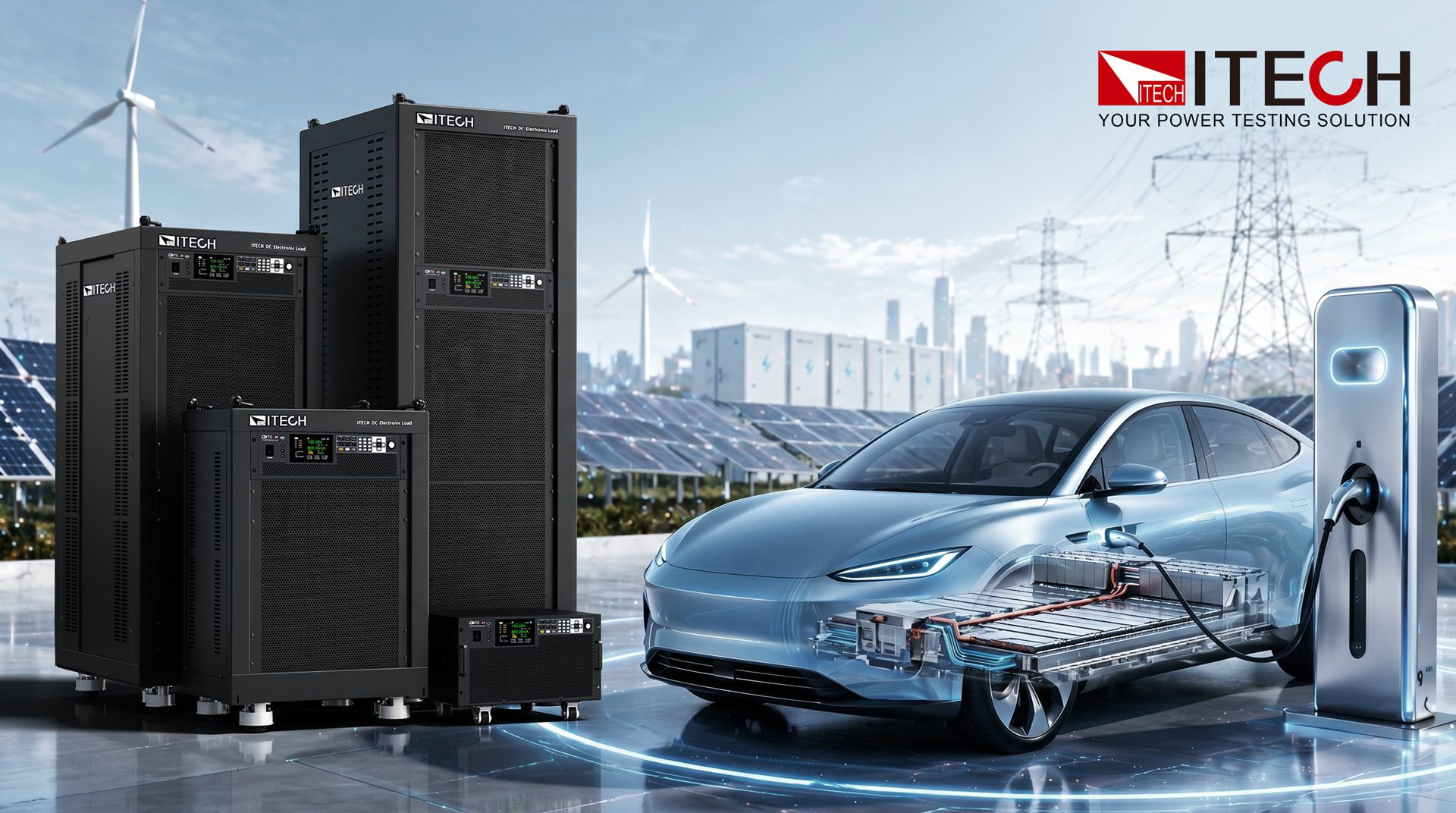
The electric vehicle (EV) industry stands on the cusp of a transformative era, driven by the relentless pursuit of faster charging capabilities. As EV platforms rapidly evolve from conventional 400-volt architectures to advanced 800-volt systems and even beyond 1000 volts, the demand for groundbreaking power delivery solutions has intensified. This significant leap in voltage, while promising ultra-fast charging experiences, simultaneously exposes a critical and widening gap between theoretical charging potential and the practical, safe testing infrastructure required to validate these high-power systems in real-world conditions.
This evolving landscape introduces a complex set of challenges for engineers, particularly regarding the comprehensive testing of megawatt charging systems. The inherent risks associated with reliability, long-term lifecycle performance, and intricate grid interaction necessitate a robust and forward-looking approach to validation. Without adequate testing capabilities, the full potential of these next-generation charging solutions could remain untapped, posing considerable concerns for the automotive and energy sectors alike.

Key Takeaways
- EV platforms are rapidly progressing to higher voltages (800V, 1000V+), pushing the boundaries of charging speed.
- A significant gap exists between advanced charging capabilities and the current capacity for safe, real-world system testing.
- The industry is grappling with ‘validation anxiety,’ stemming from uncertainties in ensuring the reliability and performance of new megawatt charging systems.
- Inadequate testing carries substantial risks, impacting system reliability, long-term lifecycle performance, and grid stability.
- Comprehensive validation at the megawatt scale requires new test methodologies and equipment, integrating chargers, batteries, and full system interactions.
- Current testing infrastructures often fall short, underscoring an urgent need for upgrades to accommodate the next wave of ultra-fast charging.
The Evolution of EV Voltage Platforms and Charging Demands
The journey of electric vehicles towards greater efficiency and convenience has been marked by continuous innovation in battery and power electronics technology. Initially, 400-volt systems became the industry standard, balancing charging speed with manageable complexity. However, as consumers demand shorter charging times—akin to conventional refuelling stops—automakers and charging infrastructure providers are compelled to escalate charging power, which inherently involves higher operating voltages.
The transition to 800-volt architectures, already seen in several high-performance EVs, significantly reduces charging times by enabling higher power transfer without drastically increasing current, thereby mitigating thermal losses and reducing cable thickness. The next frontier, exceeding 1000 volts, promises even more dramatic reductions in charging durations, potentially allowing for the addition of hundreds of kilometres of range in mere minutes. This rapid advancement is pivotal for widespread EV adoption, addressing one of the primary concerns of prospective buyers: range anxiety and charging convenience.
The Widening Gap in Testing Capabilities
Despite the remarkable progress in EV charging technology, the infrastructure and methodologies for testing these advanced megawatt charging systems have not kept pace. A critical chasm has emerged between what these cutting-edge EV platforms can deliver in terms of power and what existing test systems can safely and effectively evaluate under simulated or actual operating conditions. This disparity presents a significant bottleneck, delaying the deployment of fully validated and reliable ultra-fast charging solutions.

Current testing environments often lack the necessary power handling capacity, precision control, and sophisticated safety features required to rigorously assess megawatt-scale power transfer. The complexities associated with higher voltages and currents demand a new generation of test equipment capable of replicating diverse real-world scenarios, including varying grid conditions, temperature extremes, and vehicle states. Without such advanced capabilities, engineers face considerable hurdles in verifying the robustness and longevity of new charging systems.
Understanding “Validation Anxiety” in EV Charging
The term “validation anxiety” encapsulates the heightened concerns among engineers and industry stakeholders regarding the unknowns and potential risks inherent in deploying novel, high-power megawatt charging systems without exhaustive validation. It refers to the trepidation stemming from the realization that current testing methods may not be comprehensive enough to uncover all potential vulnerabilities or ensure long-term stability and safety. This anxiety is not merely theoretical; it is rooted in the practical implications of system failures, safety incidents, and negative impacts on the broader electrical infrastructure.
Validation anxiety underscores a fundamental challenge: the need for absolute certainty in the performance and safety of products that operate at unprecedented power levels. It highlights the imperative for testing regimes that go beyond basic functional checks, delving deep into edge cases, fault conditions, and prolonged operational stress tests. Addressing this anxiety requires a concerted effort to develop and implement state-of-the-art validation strategies that inspire confidence across the entire EV ecosystem.
Addressing the Critical Risks: Reliability, Lifecycle, and Grid Interaction
The consequences of insufficient validation for megawatt charging systems extend across several critical domains, creating substantial risks for manufacturers, operators, and consumers. Foremost among these is the risk to system reliability. Inadequately tested components and integrated systems may exhibit unforeseen faults, premature wear, or intermittent performance issues. Such failures can lead to costly repairs, inconvenient downtime for users, and significant reputational damage for brands that depend on flawless operation.
Furthermore, the long-term lifecycle performance of both the charging infrastructure and the EV batteries themselves is at stake. High-power charging, if not meticulously controlled and validated, can accelerate battery degradation, thereby reducing the lifespan of the vehicle’s most expensive component. Similarly, the longevity of charging station components—from power converters to cables and connectors—must be guaranteed through rigorous testing that simulates years of intensive use. Without this, the economic viability and sustainability of ultra-fast charging networks could be compromised, undermining consumer trust and investment.
Perhaps one of the most complex challenges lies in understanding and managing the grid interaction of these powerful charging systems. A single megawatt charger draws immense power, and a network of such chargers can place unprecedented strain on local and regional electrical grids. Insufficient testing can lead to unforeseen issues such as grid instability, voltage fluctuations, harmonic distortions, and demand spikes that overwhelm existing infrastructure. Comprehensive validation must therefore include detailed analysis of grid impact, ensuring seamless integration and protecting the integrity of the power supply network.
New Requirements for Megawatt-Scale Testing
To effectively bridge the testing gap and mitigate validation anxiety, a paradigm shift in test methodologies and equipment is urgently required. The evolving landscape of high-voltage EVs necessitates a new generation of test solutions capable of safely and accurately assessing megawatt charging systems. This involves not only the charging units themselves but also the intricate interplay with EV batteries and the complete system integration from the grid connection point to the vehicle’s charging port.
Future-proof test systems must offer unparalleled power capabilities, precision control, and advanced measurement functionalities. They need to simulate a wide array of real-world operational parameters, including varying ambient temperatures, grid anomalies, and diverse EV battery states of charge. Furthermore, robust safety protocols are paramount, ensuring that testing can be conducted without risk to personnel or equipment, even at extreme power levels. The ability to simulate communication protocols between the charger and the vehicle (e.g., ISO 15118) is also crucial for verifying seamless and intelligent power delivery.
Such comprehensive testing goes beyond individual component verification. It demands full system integration testing, where the charger, battery management system (BMS), and vehicle power electronics are evaluated as a cohesive unit. This approach helps identify potential points of failure and optimize overall performance and safety before mass deployment. The focus is on a holistic validation strategy that encompasses electrical, thermal, mechanical, and software aspects.
Preparing for the Next Wave of Ultra-Fast Charging
The readiness of megawatt charging systems is intrinsically linked to the preparedness of testing infrastructures. To truly usher in the next wave of ultra-fast charging, the industry must proactively invest in advanced testing solutions that address current shortcomings. This includes developing high-power test benches, sophisticated emulation capabilities for batteries and grids, and robust data acquisition systems capable of handling the sheer volume and complexity of data generated during megawatt-scale tests.
Collaboration across the automotive, energy, and test equipment sectors will be vital. Sharing knowledge, standardizing test procedures, and investing in research and development are crucial steps towards creating a cohesive ecosystem that can confidently bring megawatt charging to the masses. The goal is to move beyond simply validating functionality to ensuring unparalleled reliability, safety, and efficiency across the entire lifecycle of these transformative charging technologies.
Only through such dedicated and comprehensive efforts can the industry overcome the current validation challenges and fully unlock the potential of megawatt charging systems, thereby accelerating the global transition to sustainable electric mobility. The future of ultra-fast charging hinges on the industry’s ability to thoroughly test and certify these powerful solutions.
FAQ Section
What is megawatt charging?
Megawatt charging refers to electric vehicle charging systems capable of delivering power in the megawatt range (i.e., 1,000 kilowatts or more). This extremely high power level aims to drastically reduce charging times, allowing EVs to regain significant range in just a few minutes, comparable to the time it takes to refuel a conventional gasoline car.
Why are EV voltage platforms increasing?
EV voltage platforms are increasing (e.g., from 400V to 800V and beyond 1000V) to facilitate faster charging. Higher voltages allow for greater power transfer without needing excessively high currents, which helps manage heat generation, reduces cable thickness, and improves overall system efficiency. This is crucial for achieving ultra-fast charging speeds.
What is “validation anxiety” in EV charging?
“Validation anxiety” describes the concern among engineers and developers that current testing systems and methodologies may not be adequate to thoroughly validate the safety, reliability, and long-term performance of new, high-power megawatt charging systems. It stems from the potential for unforeseen issues if validation is not sufficiently comprehensive.
What are the main risks associated with inadequate testing of megawatt charging systems?
Inadequate testing can lead to several significant risks, including compromised system reliability (frequent failures, inconsistent performance), reduced lifecycle performance (premature degradation of chargers and EV batteries), and negative impacts on electrical grid interaction (instability, voltage fluctuations, demand spikes). These issues can erode consumer trust and incur high operational costs.
How do current test systems fall short for megawatt charging?
Current test systems often fall short due to limitations in power handling capacity, insufficient precision control for high-voltage and high-current applications, and a lack of sophisticated safety features required for megawatt-scale power. Many existing systems struggle to accurately simulate diverse real-world grid conditions, vehicle battery states, and thermal environments for comprehensive validation.
What is needed to test megawatt charging systems effectively?
Effective testing of megawatt charging systems requires new, advanced solutions offering high power capacity, precise control, and robust safety protocols. This includes the ability to simulate complex grid scenarios, battery behaviors, and thermal conditions. Full system integration testing, encompassing the charger, battery management system, and vehicle power electronics, is also essential to ensure holistic reliability and safety.
What is ultra-fast charging, and how does it relate to megawatt charging?
Ultra-fast charging refers to EV charging that significantly reduces the time required to recharge an electric vehicle, often enabling considerable range additions in 10-20 minutes. Megawatt charging is a key technology underpinning the realization of ultra-fast charging, as it provides the extremely high power levels necessary to achieve these rapid charging speeds for next-generation electric vehicles.