
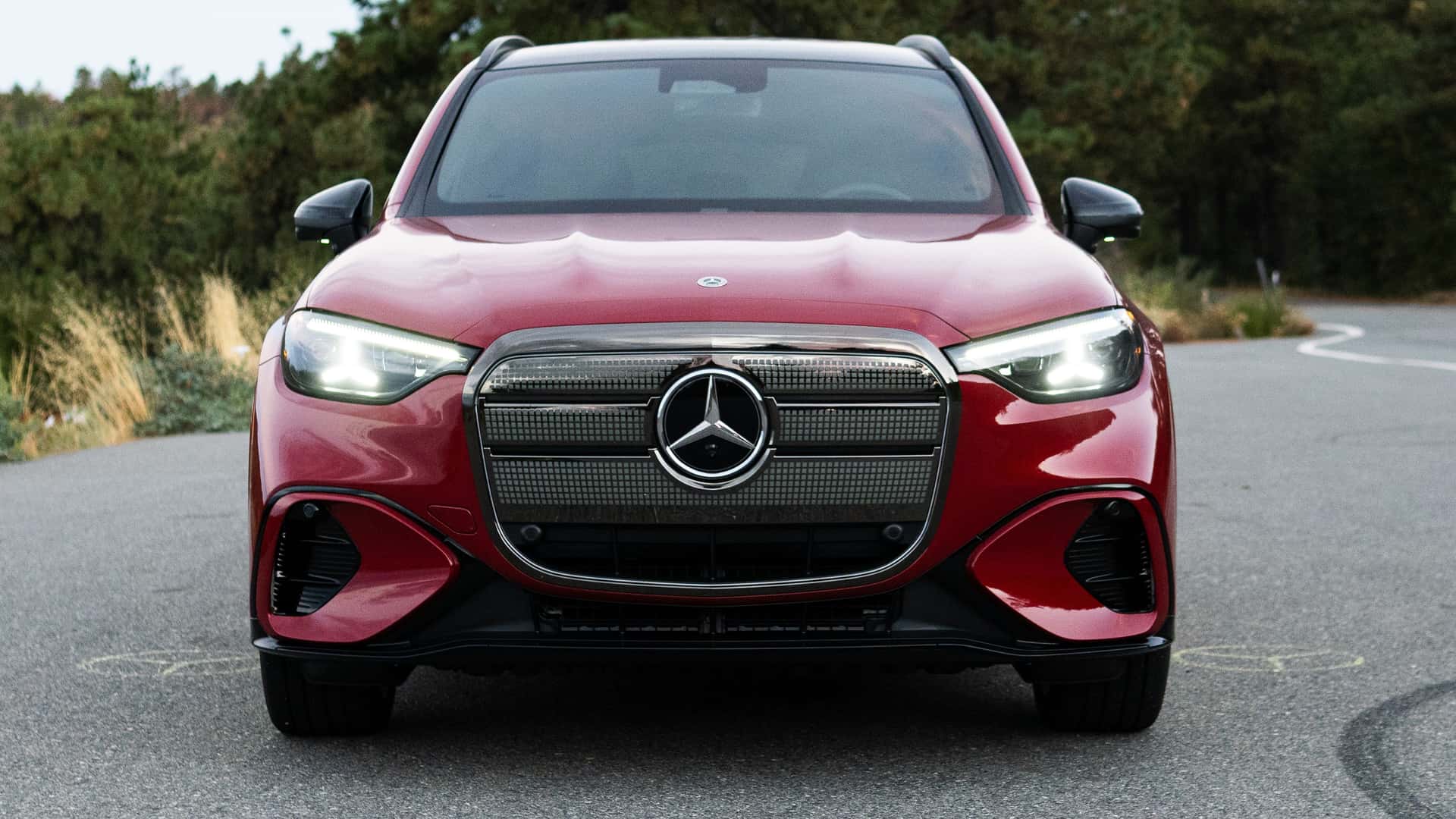
In a significant strategic move, luxury automotive giant Mercedes-Benz has announced a partnership with UK-based autonomous-driving startup Wayve, aiming to introduce advanced point-to-point driving assistance capabilities in its vehicles within the next two years. This collaboration underscores Mercedes-Benz’s intensified focus on developing sophisticated vehicle intelligence, drawing parallels with Tesla’s Full Self-Driving (Supervised) system.
The deal leverages Wayve’s distinctive “AI Driver” technology, which advocates for an end-to-end approach to automated driving, notably without the dependency on high-definition (HD) maps. This innovative methodology is poised to empower future Mercedes-Benz models with advanced urban point-to-point driving assistance, representing a crucial leap forward in Mercedes-Benz advanced driver assistance systems.
Key Takeaways (TL;DR)
- Mercedes-Benz has partnered with UK startup Wayve for next-generation advanced driver assistance systems.
- The collaboration aims to deploy Wayve’s “AI Driver” technology for point-to-point urban driving assistance within two years.
- Wayve’s technology adopts an end-to-end approach, circumventing the need for traditional HD maps.
- This initiative signals Mercedes-Benz’s ambition to rival systems like Tesla’s Full Self-Driving (Supervised).
- The new deal raises questions about its integration with Mercedes-Benz’s existing advanced driver assistance systems partnership with Nvidia.
- Mercedes-Benz has a long history in pioneering driver assistance, including the Level 3 Drive Pilot system.
- The automotive industry is seeing a widespread shift towards advanced point-to-point autonomous driving technology.
Mercedes-Benz Taps Wayve for Enhanced Driver Assistance
The announcement, made on a Tuesday, solidifies a multi-year technical partnership between Mercedes-Benz and Wayve, in which Mercedes-Benz is also an investor. This intensified collaboration will see Wayve’s advanced AI Driver technology integrated into Mercedes-Benz vehicles, promising a transformative experience for urban driving.
While specific details regarding market rollout and initial vehicle models remain under wraps, the core objective is clear: to deliver highly capable, supervised autonomous driving experiences that navigate complex urban environments from one designated point to another. This level of autonomy represents a significant advancement for Mercedes-Benz advanced driver assistance systems.
The AI Driver: A New Paradigm for Automated Driving
Wayve’s “AI Driver” technology stands out due to its unique end-to-end deep learning approach. Unlike many conventional autonomous driving systems that rely heavily on meticulously detailed, pre-mapped environments (HD maps), Wayve’s system is designed to learn directly from real-world driving data.

This method allows the vehicle to perceive its surroundings, predict outcomes, and plan its trajectory in real-time, adapting to unforeseen situations more flexibly. The promise of this technology is a more scalable and adaptable solution for advanced driver assistance, potentially accelerating its deployment across diverse geographical locations.
Navigating Existing Collaborations and Industry Trends
This new alliance with Wayve introduces an interesting dynamic, particularly concerning Mercedes-Benz’s ongoing collaboration with Nvidia. The German automaker had previously announced a partnership with Nvidia to develop its own point-to-point system, known as MB.Drive Assist Pro.
MB.Drive Assist Pro, which was demonstrated last year, aims to provide comprehensive supervised driving assistance, enabling the vehicle to autonomously navigate various complex scenarios, including pedestrians, traffic lights, and intricate road layouts, all the way to a pre-set destination. This system was previewed in the CLA model, though it has yet to reach customer hands.
The Interplay with Nvidia
The exact interplay between the Wayve and Nvidia-based advanced driver assistance systems remains to be fully clarified. It is possible that Mercedes-Benz might pursue a multi-faceted strategy, potentially integrating technologies from both suppliers for different vehicle segments, regional requirements, or varying levels of autonomous capabilities.
Another possibility is that the Wayve partnership represents a diversification of Mercedes-Benz’s advanced driver assistance systems portfolio, allowing the company to explore different technological pathways simultaneously. This would ensure robustness and competitive advantage in the rapidly evolving landscape of autonomous driving technology.
Mercedes-Benz’s Pioneering Legacy in Driver Assistance
Mercedes-Benz has a long and distinguished history in pioneering advanced driver assistance systems. Its innovations have consistently pushed the boundaries of vehicle safety and convenience. In the late 1990s, the company introduced its radar-based Distronic system on the S-Class, a groundbreaking technology that automatically modulated vehicle speed in response to the car ahead, laying the groundwork for modern adaptive cruise control.
More recently, in 2023, Mercedes-Benz achieved another significant milestone by becoming the first automaker in the United States to offer a Level 3 driver-assistance system that permits conditional hands- and eyes-free operation. This system, known as Drive Pilot, operates on specific highways in California and Nevada under certain low-speed conditions, marking a pivotal moment in the journey towards fully autonomous vehicles.
Shifting Focus Towards Point-to-Point Systems
Despite the success of Drive Pilot, Mercedes-Benz reportedly paused its expansion earlier this year to reallocate resources towards its point-to-point project with Nvidia. This strategic pivot highlights the industry’s collective shift towards more comprehensive point-to-point driving assistants, a domain largely influenced by Tesla’s Full Self-Driving initiative.
The pursuit of such systems, which offer extensive automated navigation from origin to destination under supervision, is now a central objective for many automotive manufacturers. This shift emphasizes a move beyond basic highway assistance to more intricate urban driving scenarios for advanced driver assistance systems.
The Broadening Landscape of Autonomous Driving Technology
The race to develop and deploy advanced point-to-point driving assistants extends beyond Mercedes-Benz. Several other major automakers are making significant strides in this domain, indicating a strong industry-wide trend towards enhancing autonomous driving technology.
Rivian, for instance, has announced plans to launch a point-to-point upgrade to its Autonomy+ system this year. Toyota is reportedly targeting 2028 for the introduction of its own Level 2++ feature, signaling its long-term commitment to highly automated driving. Hyundai has also engaged Nvidia for near-term Level 2+ capabilities while simultaneously developing its proprietary Atria AI system for later in the decade.
Wayve: An Emerging Force in ADAS Supply
Wayve’s stature as a crucial supplier of advanced driver assistance systems is rapidly growing. Over the past year, the UK startup has successfully forged partnerships with other prominent global automakers, including Stellantis and Nissan.
These collaborations underscore Wayve’s increasing influence and expertise in the competitive landscape of autonomous driving technology providers. Their unique approach to AI-driven vehicle intelligence positions them as a key enabler for automakers aiming to accelerate their autonomous driving roadmaps.
The Future of Mercedes-Benz Advanced Driver Assistance Systems
The partnership with Wayve marks an ambitious step for Mercedes-Benz in its quest to define the future of premium automotive mobility. By embracing Wayve’s innovative AI-driven platform, Mercedes-Benz is strategically positioning itself at the forefront of the next generation of advanced driver assistance systems.
As the automotive industry continues its rapid evolution towards higher levels of autonomy, collaborations like the one between Mercedes-Benz and Wayve will be instrumental in delivering safer, more efficient, and ultimately more convenient driving experiences for consumers worldwide. The integration of cutting-edge AI promises to revolutionize how drivers interact with their vehicles and navigate urban landscapes.
FAQ Section
What is the new partnership between Mercedes-Benz and Wayve?
Mercedes-Benz has partnered with Wayve, a UK-based autonomous-driving startup, to integrate Wayve’s “AI Driver” technology into its vehicles. This collaboration aims to deliver advanced urban point-to-point driving assistance, similar to Tesla’s FSD (Supervised), within the next two years.
What makes Wayve’s “AI Driver” technology unique?
Wayve’s “AI Driver” uses an end-to-end deep learning approach, which means it learns directly from real-world driving data. A key differentiator is its ability to operate effectively without requiring high-definition (HD) maps, potentially making it more scalable and adaptable across diverse environments.
How does this new deal affect Mercedes-Benz’s existing partnership with Nvidia?
The announcement does not fully clarify how the Wayve partnership will integrate with Mercedes-Benz’s existing collaboration with Nvidia for its MB.Drive Assist Pro system. Mercedes-Benz might be exploring multiple technological pathways or deploying different systems across various models or regions.
What is point-to-point driving assistance?
Point-to-point driving assistance refers to an advanced driver assistance system that can navigate a vehicle autonomously from a specified origin to a destination, under driver supervision. This includes handling complex scenarios like city traffic, intersections, pedestrians, and turns.
Has Mercedes-Benz previously been involved in advanced driver assistance systems?
Yes, Mercedes-Benz has a long history, dating back to the late 1990s with its Distronic system. More recently, in 2023, it launched Drive Pilot, America’s first Level 3 hands- and eyes-free driver-assistance system, operable on specific highways in California and Nevada at low speeds.
When can consumers expect to see Wayve’s technology in Mercedes-Benz vehicles?
According to the announcement, Mercedes-Benz plans to deploy a Wayve-based point-to-point driving assistant in its vehicles within the next two years. Specific launch markets and vehicle models are yet to be detailed by the company.