
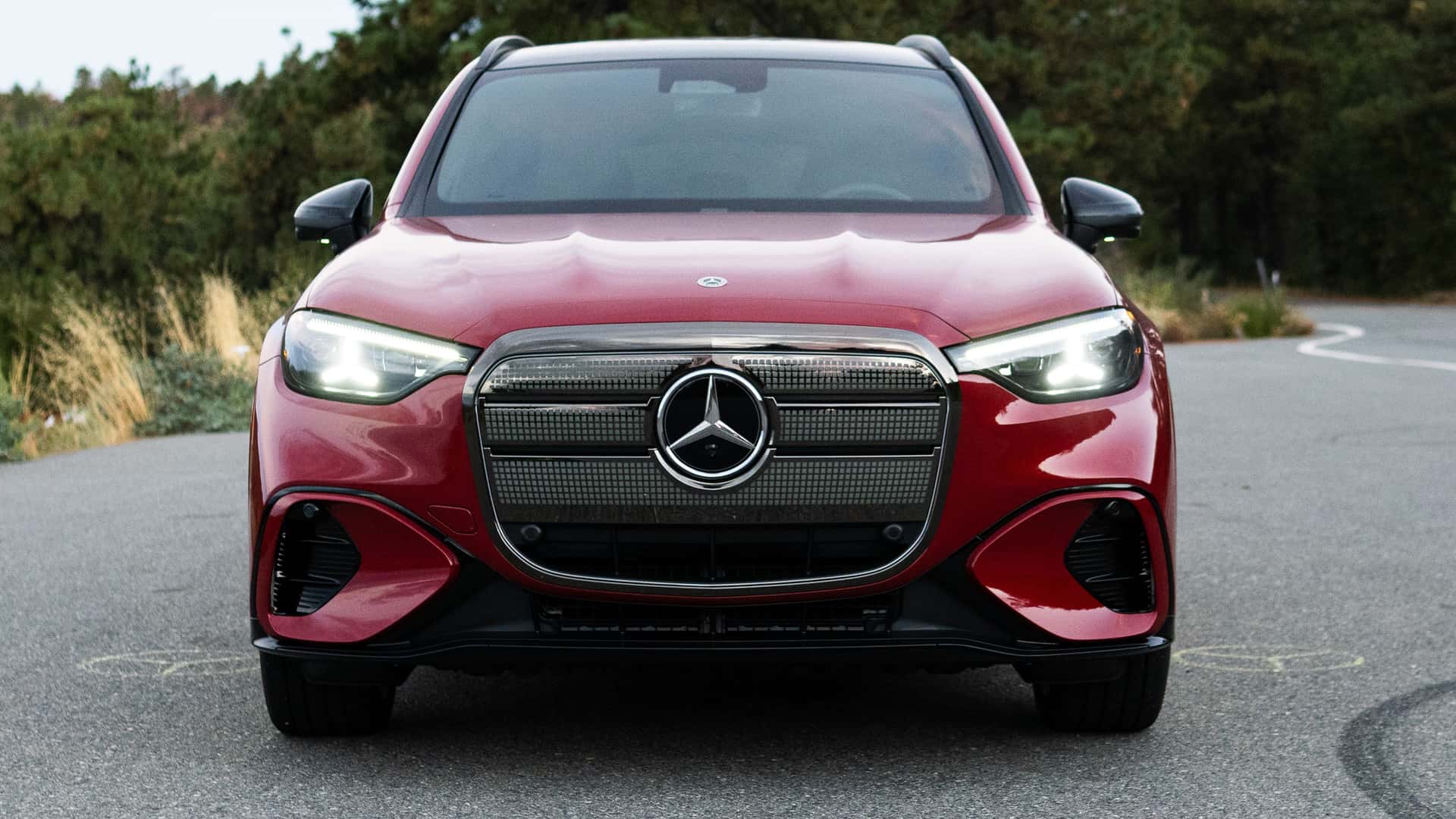
Mercedes-Benz, a stalwart in automotive innovation, has announced a pivotal collaboration with Wayve, a UK-based autonomous-driving startup. This strategic alliance aims to integrate Wayve’s ‘AI Driver’ technology into future Mercedes-Benz vehicles, promising advanced urban point-to-point driving assistance within the next two years. The move signals a significant push by the German luxury automaker into capabilities that draw parallels to Tesla’s Full Self-Driving (Supervised) system, intensifying the race for sophisticated autonomous driving solutions.
This partnership underscores Mercedes-Benz’s commitment to spearheading advancements in driver-assistance systems, leveraging cutting-edge artificial intelligence. The agreement builds upon an existing multi-year technical partnership, with Mercedes-Benz also being an investor in Wayve, solidifying a deep-rooted collaboration aimed at redefining the driving experience.
Key Takeaways
- Mercedes-Benz partners with UK startup Wayve to deploy ‘AI Driver’ technology in its vehicles.
- The collaboration targets advanced urban point-to-point driving assistance, akin to Tesla’s Full Self-Driving (Supervised).
- Wayve’s approach emphasizes an end-to-end autonomous driving system that does not rely on high-definition (HD) maps.
- Deployment of Wayve-based point-to-point driver assistance is projected within two years.
- The deal raises questions about its integration with Mercedes-Benz’s ongoing Nvidia collaboration for similar point-to-point systems.
Deep Dive into the Mercedes-Wayve Alliance
The core of this new partnership revolves around Wayve’s innovative ‘AI Driver’ system. This technology is designed to enable advanced urban point-to-point driving assistance, a feature that allows a vehicle to navigate complex city environments from a specified starting point to a destination with minimal human intervention, albeit under driver supervision. This functionality directly positions Mercedes-Benz as a formidable competitor in the rapidly evolving landscape of advanced driver-assistance systems (ADAS).
The announcement, made on a recent Tuesday, outlined an ambitious timeline, with the deployment of Wayve-based systems expected in Mercedes vehicles within two years. While specific details regarding the initial markets or the particular vehicle models to receive this technology remain undisclosed, the implications for the future of Mercedes-Benz’s ADAS offerings are substantial.
Wayve’s End-to-End AI Driver Technology
Wayve distinguishes itself with an end-to-end approach to automated driving. This paradigm shift means the system learns to drive directly from sensor data, such as cameras and radar, to control vehicle actions without relying on pre-programmed rules or intricate high-definition (HD) maps. Traditional autonomous driving systems often depend heavily on these detailed maps for localization and path planning.
The ‘AI Driver’ system’s ability to operate without HD maps could offer several advantages, including scalability, adaptability to diverse environments, and potentially reduced complexity in deployment and updates. This machine learning-centric methodology allows the system to continuously learn and improve from real-world driving data, enhancing its robustness in various traffic conditions and road scenarios.
Mercedes-Benz’s Evolving ADAS Portfolio
This new alliance with Wayve arrives as Mercedes-Benz continues to refine its broader strategy for advanced driver assistance and autonomous driving. The luxury automaker already maintains a significant collaboration with Nvidia, focused on delivering its own point-to-point system, known as MB.Drive Assist Pro.
Last year, Mercedes-Benz demonstrated MB.Drive Assist Pro, an Nvidia-based system engineered to navigate to a destination under driver supervision, handling challenges like pedestrians, traffic lights, and other complex urban scenarios. While the CLA model, intended to feature this system, is currently on sale, MB.Drive Assist Pro has yet to reach customer hands, indicating the rigorous development and validation processes involved in deploying such advanced technology.
Pioneering Driver-Assistance and Level 3 Automation
Mercedes-Benz boasts a rich history in pioneering driver-assistance technologies. In the late 1990s, the company launched its Distronic system on the S-Class, a groundbreaking radar-based cruise control that could modulate vehicle speed based on the car ahead. This innovation set an early benchmark for adaptive cruise control systems across the industry.
More recently, in 2023, Mercedes-Benz achieved a significant milestone by becoming the first automaker to sell a Level 3 driver-assistance system in the United States. Its Drive Pilot system, certified for use on specific highways in California and Nevada, allows for hands- and eyes-free operation at low speeds, representing a critical step towards higher levels of autonomous driving. This Level 3 capability allows the driver to legally disengage from the driving task under defined operational conditions, shifting responsibility to the vehicle.
However, earlier this year, Mercedes-Benz reportedly paused the expansion of its Drive Pilot system. This decision was part of a strategic realignment, shifting greater focus towards its point-to-point project being developed in conjunction with Nvidia, reflecting the industry’s concentrated effort on delivering comprehensive, supervised driving solutions for varied conditions.
The Global Race for Point-to-Point Autonomous Driving
The automotive industry is intensely focused on developing and deploying advanced point-to-point driving assistants, a domain where Tesla, with its Full Self-Driving (Supervised) system, has established a notable early lead. This pursuit has become a central battleground for innovation among global automakers and technology firms.
Beyond Mercedes-Benz’s efforts, several other manufacturers are making significant strides in this area. Rivian, for instance, has announced plans to launch a point-to-point upgrade to its Autonomy+ system later this year. Toyota is also reportedly planning to introduce its own Level 2++ feature by 2028, indicating a longer-term strategic rollout.
Hyundai has partnered with Nvidia for near-term Level 2+ capabilities, while simultaneously developing its in-house Atria AI system for deployment later this decade. Lucid, another prominent electric vehicle manufacturer, is also leveraging Nvidia’s advanced computing platforms for its own ADAS development, showcasing the widespread reliance on specialist technology partners in this complex field.
Wayve’s Growing Influence in the ADAS Landscape
Wayve has rapidly emerged as a significant player in this new era of driver assistance technology. Over the past year, the UK startup has forged notable partnerships that underscore its growing credibility and technological prowess. Beyond its deepening ties with Mercedes-Benz, Wayve has also struck deals to integrate its advanced autonomous driving technology into vehicles from Stellantis and Nissan.
These multiple collaborations highlight the industry’s increasing interest in Wayve’s distinctive end-to-end AI approach. Its ability to offer a scalable and adaptable solution for complex driving scenarios, particularly in urban environments, positions it as a key enabler for automakers striving to deliver next-generation driver-assistance systems to consumers worldwide.
Challenges and Future Outlook for Advanced ADAS
The deployment of highly advanced driver-assistance systems, particularly those offering point-to-point navigation, comes with inherent challenges. Regulatory approvals vary significantly across different jurisdictions, demanding rigorous testing and validation to ensure safety and compliance. Public trust and acceptance also play a crucial role in the widespread adoption of these technologies.
Furthermore, the continuous evolution of software, sensor hardware, and artificial intelligence models necessitates a robust framework for over-the-air updates and long-term maintenance. As Mercedes-Benz progresses with its Wayve partnership and other ADAS initiatives, the integration of these systems into production vehicles will require careful consideration of these multifaceted challenges to ensure seamless and safe operation for drivers globally.
The collaboration between Mercedes-Benz and Wayve represents a bold step forward in the pursuit of advanced autonomous driving capabilities. By embracing Wayve’s innovative AI Driver technology, Mercedes-Benz is strategically positioning itself to deliver sophisticated point-to-point urban driving assistance, potentially revolutionizing the driving experience for its customers within the coming years and significantly shaping the future of automotive intelligence.
FAQ Section
What is the core of the Mercedes-Benz and Wayve partnership?
The partnership aims to integrate Wayve’s ‘AI Driver’ technology into future Mercedes-Benz vehicles. This will enable advanced urban point-to-point driving assistance, allowing cars to navigate complex city routes autonomously under driver supervision, with deployment expected within two years.
How does Wayve’s ‘AI Driver’ technology differ from traditional autonomous systems?
Wayve employs an end-to-end artificial intelligence approach. This means its system learns to drive directly from raw sensor data, like cameras, without the need for pre-programmed rules or detailed high-definition (HD) maps, offering greater adaptability and scalability.
What is ‘point-to-point driving assistance’ and how does it compare to Tesla’s FSD?
Point-to-point driving assistance allows a vehicle to autonomously navigate from a start point to a destination, handling various road conditions and traffic. Mercedes-Benz’s planned system with Wayve is described as being similar in functionality to Tesla’s Full Self-Driving (Supervised) system.
How does this new deal affect Mercedes-Benz’s existing collaboration with Nvidia?
The original announcement did not clarify how the Wayve deal fits with Mercedes-Benz’s ongoing collaboration with Nvidia for its MB.Drive Assist Pro system. Both partnerships are focused on delivering point-to-point autonomous driving capabilities, raising questions about their future coexistence or integration strategy.
Has Mercedes-Benz previously introduced advanced driver-assistance systems?
Yes, Mercedes-Benz pioneered radar-based cruise control with its Distronic system in the late 1990s. In 2023, it also launched Drive Pilot, America’s first Level 3 driver-assistance system, allowing hands- and eyes-free driving on specific highways in California and Nevada at low speeds.
What other automakers are pursuing similar point-to-point driving features?
Many automakers are in this race. Rivian plans an upgrade to its Autonomy+ system, Toyota aims for a Level 2++ feature by 2028, and Hyundai and Lucid are also working with Nvidia while developing their own in-house AI systems for advanced driver assistance.