
Key Takeaways (TL;DR)
- Mercedes-Benz is pioneering a new Power Converter technology for electric vehicle batteries.
- This system allows for individual control of battery cells or cell groups, a significant departure from current whole-pack management.
- Potential benefits include substantially prolonging battery lifespan and enabling flexible use of diverse cell chemistries within a single pack.
- The innovation could also streamline power electronics, reduce component bulk, and natively support bidirectional charging capabilities.
- While promising enhanced modularity and performance, the system introduces the complexity of thousands of micro-converters.
Stuttgart, Germany — Mercedes-Benz, a global leader in automotive innovation, is poised to redefine the landscape of electric vehicle (EV) battery technology with its groundbreaking Power Converter system. Currently in advanced development, this innovative approach promises to fundamentally alter how high-voltage batteries in electric cars are managed, moving away from conventional whole-pack charging and discharging towards precise, individual cell control.
For decades, the standard operation for EV traction batteries, comprising thousands of individual cells arranged into modules, has involved uniform treatment. While battery management systems (BMS) can monitor the voltage of each cell or module, energy delivery or reception typically applies equally across the entire pack. Whether an electric motor demands 100 kilowatts or the battery charges at 150 kilowatts, all cells typically respond in unison.
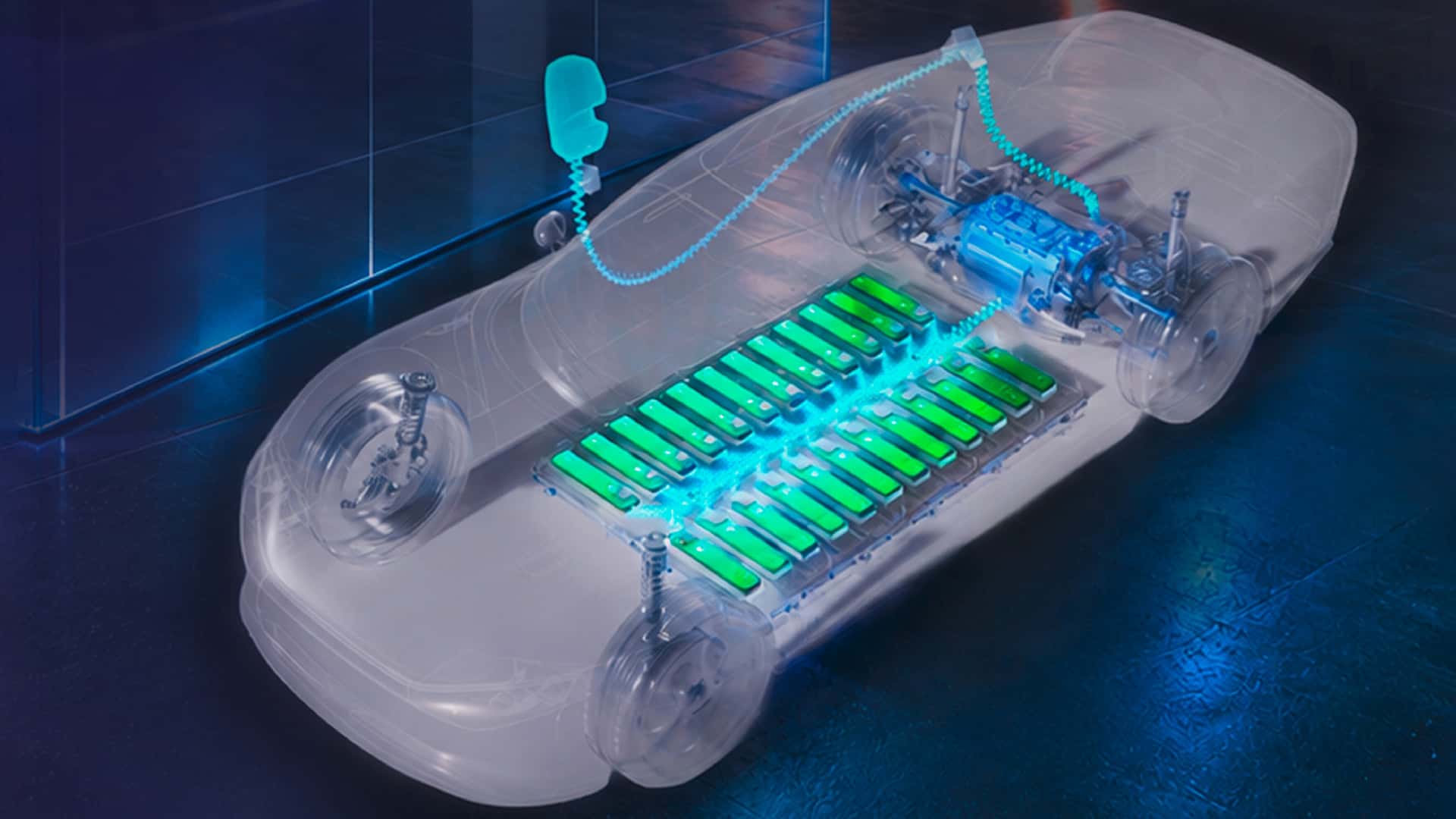
Mercedes-Benz’s new Power Converter technology marks a significant departure. It introduces programmable micro-converters, allowing not only for the monitoring but also for the direct control of each individual cell within the battery pack. This innovative paradigm shift in EV battery technology presents a multitude of theoretical advantages, with profound implications for battery longevity, operational flexibility, and power electronics integration.
Redefining Battery Lifespan and Reliability
One of the most compelling aspects of the Mercedes-Benz Power Converter is its potential to significantly extend the operational life of an EV battery. A common cause of battery pack failure in electric vehicles stems from the degradation of one or more individual cells, which can no longer maintain voltage parity with their healthier counterparts.
Such imbalance often triggers error messages, leading to expensive full battery pack replacements once the warranty expires. The conventional approach offers limited recourse for isolated cell issues, necessitating the overhaul of the entire energy storage unit.

With the Power Converter, if a specific cell can no longer sustain its required voltage, its dedicated micro-converter can simply disable it. While this might result in a marginal reduction in overall battery capacity, the vehicle’s functionality remains largely unimpaired. This granular control transforms a potentially catastrophic pack failure into a manageable, minor capacity adjustment, significantly enhancing the battery’s effective lifespan and reducing long-term ownership costs.
Streamlining Power Electronics and Enhancing Flexibility
The innovative application of multiple micro-converters operating in parallel allows the system to regulate the energy flow at the level of individual cells or small cell groups. This distributed intelligence mitigates the need for a single, bulky central converter, which traditionally handles various power conversions within an EV.
Furthermore, this advanced EV battery management system introduces unprecedented flexibility in battery design and chemistry. It enables the integration of cells with varying chemistries or different states of aging within the same battery pack. The micro-converters can intelligently ensure each cell or group is charged and discharged optimally, even if at differing power levels, thereby maximizing overall pack performance and efficiency.
The high-voltage output of the battery pack also gains independence from the precise number of cells connected in series. Instead, it becomes a function of the sophisticated converters and their software-based control. This decoupling offers greater freedom in designing battery architectures and optimizing voltage outputs for diverse powertrain requirements, advancing the adaptability of electric car batteries.
Modular Battery Design and Intelligent Energy Management
Mercedes-Benz’s Power Converter also paves the way for a more modular and intelligent approach to battery utilisation. Consider a scenario where an owner of a large-capacity battery vehicle primarily undertakes short daily commutes, seldom utilising the full potential of their battery pack.
In such instances, the car’s central computer can intelligently place a portion of the battery pack into standby mode. This preserves the dormant cells at an optimal charge level, mitigating degradation from continuous light usage. When a longer journey, such as a road trip, is planned, the system can seamlessly unlock the full capacity of the battery pack, providing the necessary range on demand.
This dynamic capacity management not only optimises battery health over time but also tailors the EV’s energy profile to the user’s immediate needs, enhancing both efficiency and convenience for electric vehicle owners.
Integrated Bidirectional Charging Capabilities
A significant feature baked into the new Power Converter is its native support for bidirectional charging. This crucial capability means that the micro-converters directly handle both AC and DC power conversion, facilitating not only charging from the grid but also discharging energy back to it (vehicle-to-grid, V2G) or to a home (vehicle-to-home, V2H) or other devices (vehicle-to-load, V2L).
This direct integration offers finer, more precise control over how the battery is used, transforming the EV into a mobile energy storage unit that can contribute to grid stability or power household appliances. The decentralised nature of power conversion at the cell level could make such bidirectional functionality more efficient and robust than current centralised systems.
Potential and Challenges in Advanced Battery Technology
Mercedes-Benz asserts that this innovative EV battery technology holds substantial potential to boost the driving range and overall efficiency of future plug-in models. The fine-grained control over individual cells allows for highly optimised energy distribution and utilisation, leading to tangible improvements in vehicle performance and sustainable mobility.
However, the widespread adoption of this technology introduces a notable engineering consideration: sealing thousands of micro-converters within a battery pack inevitably means thousands of individual components are susceptible to potential failure. The reliability and durability of each micro-converter will be paramount to the system’s overall success and the continued trust in electric car batteries.
If meticulously engineered and executed, Mercedes-Benz’s Power Converter system could usher in a new era of modularity, fine-tuning, and robust performance for electric vehicle batteries, potentially setting new industry benchmarks for longevity and operational flexibility in electric cars.
Frequently Asked Questions (FAQ) about Mercedes-Benz’s Power Converter
Q1: What is Mercedes-Benz’s Power Converter technology?
The Power Converter is a new EV battery management system under development by Mercedes-Benz. It uses programmable micro-converters to control the charge and discharge of individual battery cells or small cell groups, rather than managing the battery pack as a single unit. This allows for highly precise energy management within the electric vehicle battery.
Q2: How does this technology improve EV battery lifespan?
By controlling individual cells, the Power Converter can isolate and disable degraded cells, preventing them from negatively impacting the entire pack. This avoids the need for costly full battery pack replacements due to a few faulty cells, allowing the battery to operate longer with minor capacity reductions, thereby extending the overall electric car battery life.
Q3: Can different types of battery cells be used together?
Yes, a key advantage of the Power Converter is its ability to manage cells of varying chemistries or different states of aging within the same battery pack. The micro-converters intelligently ensure each cell or group receives optimal charging and discharging, accommodating these differences and enhancing flexibility in EV battery design.
Q4: What are the benefits for power electronics?
The system’s use of multiple parallel micro-converters can eliminate the need for a single, bulky central converter typically found in EVs. This distributed approach streamlines power electronics, reducing the size and complexity of components responsible for AC and DC conversion, leading to a more efficient and compact EV battery system.
Q5: How does modular battery use work?
The Power Converter enables intelligent capacity management. For example, if a driver typically uses only a fraction of their battery’s range, part of the pack can be put into standby to preserve cell health. For longer journeys, the system can seamlessly activate the full battery capacity, optimising both battery longevity and user convenience.
Q6: Does this technology support bidirectional charging?
Yes, bidirectional charging is natively integrated into the Power Converter. The micro-converters handle both AC and DC conversion directly, facilitating the ability for electric vehicles to not only charge from the grid but also discharge energy back to it (V2G) or to a home (V2H) or other devices (V2L) with greater control and efficiency.
Q7: What is the main challenge associated with this new system?
The primary challenge lies in the sheer number of components. Introducing thousands of micro-converters into a sealed battery pack increases the potential points of failure. Ensuring the robust reliability and durability of each individual micro-converter will be critical for the long-term success and widespread adoption of this advanced EV battery management system.