
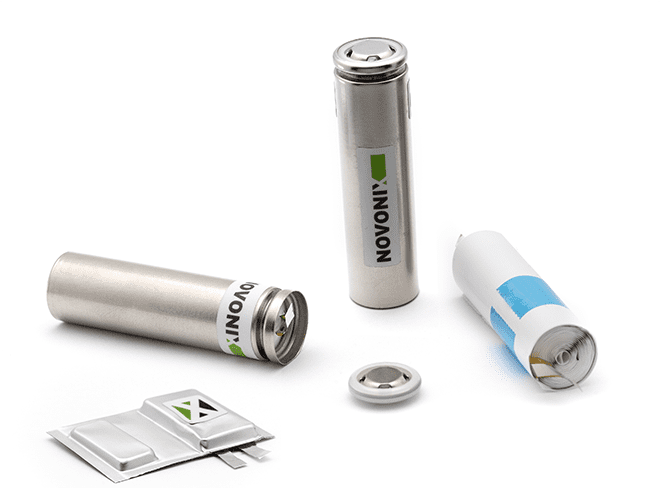
In a pivotal development for the North American electric vehicle (EV) battery industry, NOVONIX, a leading developer and supplier of high-performance synthetic graphite anode materials, has delivered a mass production qualification sample, known as a “C-sample,” of its synthetic graphite anode active material (AAM) to Panasonic Energy. This significant milestone marks a crucial step towards establishing a robust US-sourced battery anode supply for Panasonic’s advanced cell manufacturing operations.
The delivery underscores a concerted effort to localize critical components of the EV battery supply chain, moving away from a heavy reliance on overseas production. This achievement by NOVONIX is particularly notable as it represents the first known synthetic graphite AAM C-sample produced entirely within North America, addressing a significant strategic imperative for the region’s energy independence.

Key Takeaways
- NOVONIX has delivered a C-sample of synthetic graphite anode material to Panasonic Energy.
- This is the first known North American-produced synthetic graphite AAM C-sample.
- The delivery signifies progress towards a secure US-sourced battery anode supply for Panasonic.
- NOVONIX anticipates mass production for Panasonic to commence in the second half of 2027, subject to successful validation.
- The initiative aims to enhance US supply chain independence in lithium-ion battery manufacturing.
Understanding the C-Sample Milestone in Automotive Supply Chains
In the intricate world of automotive component manufacturing, a structured sampling process ensures that materials and parts meet rigorous standards before mass production commences. This process typically involves several stages: A-sample, B-sample, and C-sample.
The A-sample, or initial sample, focuses on conceptual design and material feasibility. It confirms that the basic design principles are sound and that the material can be produced at all. This stage is primarily for development and preliminary testing, assessing fundamental properties and initial performance characteristics.
The B-sample, or prototype sample, represents a more advanced stage. Here, the focus shifts to validating the manufacturing process and ensuring that the material can be consistently produced with the desired characteristics. Prototypes are typically used for extensive testing within the intended application, identifying potential issues in design, functionality, and manufacturability under near-real-world conditions.
The C-sample, as delivered by NOVONIX, is a mass production-intent sample. This stage is critical because it validates the final production process, tooling, and materials under actual manufacturing conditions, demonstrating the ability to consistently produce the material at scale while meeting all specified requirements. For automotive applications, C-samples undergo the most stringent qualification processes, including extensive performance, safety, and reliability tests by the customer.
While NOVONIX’s internal testing indicates that its synthetic graphite AAM meets Panasonic’s specifications, formal validation from Panasonic Energy is still pending. This comprehensive assessment, expected over the coming months, is the final hurdle before the material can be approved for large-scale integration into Panasonic’s lithium-ion battery cells. Successful completion of this qualification process is paramount for unlocking the next phase of this strategic partnership.
The Critical Role of Synthetic Graphite in EV Batteries
Synthetic graphite stands as the predominant anode material in lithium-ion batteries, which power virtually all modern electric vehicles. Its widespread adoption is due to its exceptional electrochemical stability, high energy density, and long cycle life. These properties are crucial for ensuring the durability, efficiency, and performance demanded by EV applications.
The manufacturing process for synthetic graphite involves graphitization of petroleum coke or coal tar pitch at extremely high temperatures, resulting in a highly ordered carbon structure. This meticulous process ensures the material’s purity and consistent performance, critical factors for the safety and reliability of EV batteries.
Globally, the production of this essential material is heavily concentrated in a few regions, primarily China. This geographical concentration poses significant supply chain risks, including potential disruptions due to geopolitical tensions, trade policies, or logistical challenges. Diversifying the global supply, particularly through localized production, has become a strategic priority for major automotive manufacturers and battery cell producers.
Developing a robust US-sourced battery anode supply is not merely an economic consideration; it is a strategic imperative for national security and technological leadership. Ensuring a stable and reliable supply of critical battery materials domestically can mitigate vulnerabilities and foster greater resilience in the burgeoning electric vehicle market.
NOVONIX’s Strategic Position and Manufacturing Capabilities
NOVONIX has emerged as a key player in addressing the need for diversified battery material sourcing. The company’s focus on synthetic graphite anode active material aligns directly with the industry’s requirements for high-performance and reliable battery components. Their ability to produce a C-sample in North America demonstrates significant progress in scaling up their manufacturing capabilities to meet automotive industry standards.
The company has consistently communicated its ambitions to become a major supplier in the North American market. Reaffirming earlier guidance, NOVONIX expects to commence mass production for Panasonic in the latter half of 2027. This timeline is, however, contingent upon the successful completion of Panasonic’s formal qualification process, which involves a thorough evaluation of the C-sample over the coming months.
This commitment to domestic production not only creates jobs and stimulates local economies but also strengthens the overall supply chain for electric vehicles within the region. NOVONIX’s efforts contribute directly to the broader goal of establishing a self-sufficient battery ecosystem in North America, reducing dependence on foreign sources for essential materials.
Panasonic Energy’s Drive for Diversification
Panasonic Energy, a global leader in battery technology and a prominent supplier to major EV manufacturers, has been actively pursuing strategies to diversify its supply chain and localize production. The company’s investment in North American cell manufacturing facilities underscores its commitment to serving the rapidly expanding EV market in the region.
Securing a US-sourced battery anode supply aligns perfectly with Panasonic’s operational goals and long-term strategic vision. A localized supply chain reduces transportation costs, shortens lead times, and offers greater stability against global market fluctuations. Furthermore, it helps Panasonic meet potential ‘local content’ requirements in key markets, thereby enhancing the competitiveness and resilience of its battery products.
The collaboration with NOVONIX represents a proactive step by Panasonic to ensure a steady, reliable, and geographically diverse supply of critical battery materials. This move is indicative of a broader industry trend where major players are investing heavily in establishing resilient, regionalized supply networks for electric vehicle components.
Towards North American Battery Independence
The delivery of NOVONIX’s C-sample to Panasonic is more than just a company milestone; it is a significant indicator of progress towards greater North American battery independence. The strategic importance of establishing a secure domestic supply chain for battery materials cannot be overstated in the current global economic and geopolitical landscape.
Efforts to localize the production of critical EV battery components, from raw material extraction to cell assembly, are gaining momentum across North America. This push is driven by a combination of economic incentives, national security concerns, and environmental considerations. A robust domestic supply chain not only fosters economic growth but also provides stability and predictability for the rapidly evolving electric vehicle sector.
As Mike O’Kronley, CEO of NOVONIX, articulated, “The delivery of a mass production C-sample to Panasonic is an important moment for NOVONIX and for the development of a secure North American battery materials supply chain. We are now one step closer to realizing a fully domestic supply chain in the US.” His statement underscores the broader, strategic implications of this technical achievement, highlighting its contribution to an integrated and resilient battery ecosystem.
This ongoing shift towards regionalized production networks is expected to redefine the global battery market, making it less vulnerable to single-point failures and more responsive to local market demands. The collaboration between NOVONIX and Panasonic serves as a powerful example of how industry leaders are actively working to achieve these ambitious goals, paving the way for a more sustainable and secure energy future.
The Path to Mass Production and Future Outlook
The next phase involves Panasonic Energy’s comprehensive evaluation of the C-sample. This rigorous assessment will include testing the synthetic graphite anode active material across various parameters, including performance, durability, safety, and compatibility with Panasonic’s proprietary cell designs. Only after successful validation will the material receive final approval for commercial deployment.
NOVONIX remains optimistic about the outcome, based on its own extensive internal testing, which confirms the material’s compliance with Panasonic’s exacting specifications. The projected timeline for mass production to begin in the second half of 2027 reflects a calculated anticipation of this qualification process concluding favorably.
Should the validation proceed as expected, this partnership will significantly bolster the availability of high-quality, US-sourced synthetic graphite for the booming electric vehicle battery market. It will also solidify NOVONIX’s position as a crucial supplier in the North American battery ecosystem, contributing to the broader industrial strategy aimed at reducing reliance on foreign supply chains and fostering a truly domestic battery manufacturing capability.
FAQ Section
What is a C-sample in the automotive industry?
A C-sample is a mass production-intent sample in the automotive supply chain. It’s the final stage of material qualification before full-scale manufacturing, demonstrating that the production process can consistently deliver materials meeting all specified requirements at volume.
Why is synthetic graphite important for EV batteries?
Synthetic graphite is the dominant anode material in lithium-ion batteries due to its excellent electrochemical stability, high energy density, and long cycle life. These properties are crucial for the performance, durability, and safety of electric vehicle batteries.
What is the significance of a US-sourced battery anode supply?
A US-sourced battery anode supply enhances supply chain independence, reduces reliance on concentrated overseas production, mitigates geopolitical risks, and supports the growth of a domestic electric vehicle manufacturing ecosystem, ensuring greater stability and security for critical materials.
When does NOVONIX expect mass production to begin?
NOVONIX has reaffirmed its guidance that mass production of its synthetic graphite anode active material for Panasonic Energy is expected to begin in the second half of 2027, contingent upon the successful completion of Panasonic’s qualification process.
What are the next steps after C-sample delivery?
Following C-sample delivery, Panasonic Energy will conduct its formal assessment and validation of the material over the coming months. This rigorous testing phase is critical to ensure the material meets all specifications and is suitable for integration into their battery cell manufacturing.
How does this development impact North American battery manufacturing?
This development significantly strengthens North American battery manufacturing by establishing a local supply of critical anode material. It contributes to a more resilient and self-sufficient EV battery supply chain, reducing dependency on foreign sources and fostering regional economic growth and technological advancement.