
Key Takeaways:
- Battery Management Systems (BMS) are critical for the safety, performance, and longevity of modern electric vehicle (EV) batteries, requiring precise monitoring and control.
- The increasing complexity of BMS functionality and software necessitates advanced, model-based testing methods, including accurate cell voltage emulation and high-fidelity battery simulation.
- Industry pressure to reduce testing efforts and costs, alongside the demand for precise, flexible, and scalable test environments, presents a significant challenge for EV manufacturers.
- dSPACE will host a webinar on September 15, 2026, at 10:15 am EDT, focusing on how a standardised approach to Hardware-in-the-Loop (HIL) testing can enhance efficiency, accuracy, and flexibility for validating next-generation BMS.
- This session is part of the broader Virtual Conference on EV Engineering (September 14-17, 2026), which covers the entire EV supply chain from motor design to thermal management.
The rapid evolution of electric vehicle (EV) technology is fundamentally reshaping the automotive landscape, with battery systems standing at the core of this transformation. Central to the safety, performance, and operational lifespan of these sophisticated energy storage units are Battery Management Systems (BMS). As the backbone of modern rechargeable batteries, BMS units meticulously monitor and control individual cells, ensuring they operate within optimal parameters.

Maintaining battery longevity and efficiency hinges on the BMS’s ability to precisely measure cell voltages and temperatures. This also includes implementing advanced balancing strategies to sustain a uniform state of charge across the entire battery pack. The imperative for such precision escalates with the growing demands placed on EV battery performance and reliability.
The Evolving Landscape of BMS Testing
As Battery Management System functionality continues to advance and software complexity spirals, the methodologies for validating these critical components must also evolve. Model-based testing has emerged as an indispensable approach throughout the development process, offering a robust framework for verification.
Crucially, accurate cell voltage emulation and high-fidelity battery simulation models are no longer luxuries but necessities. These sophisticated tools enable the validation of complex BMS algorithms under conditions that meticulously mimic real-world operating environments. Such comprehensive testing is vital to ensure robust performance and reliability before physical prototypes are even developed.
The efficacy of these test environments is paramount. They must intricately combine precision to capture minute electrical and thermal variations, flexibility to adapt to diverse battery architectures and chemistries, and scalability to handle the increasing number of cells and layers of control software found in modern EV battery packs. This balance is fundamental for validating next-generation battery management systems effectively.
Addressing Efficiency and Cost Pressures in EV Development
Despite the undeniable need for rigorous and exhaustive testing, development teams across the global automotive industry face relentless pressure. The drive to accelerate product launches necessitates a significant reduction in testing effort, shortening validation cycles without compromising quality or safety.
Simultaneously, there is an unwavering focus on lowering overall development costs. This economic constraint demands innovative solutions that can streamline processes and optimise resource allocation, all while maintaining the high standards required for critical EV components like the BMS. Balancing these competing demands presents a formidable challenge for engineers and project managers.
dSPACE Webinar: A Standardised Approach to BMS Hardware-in-the-Loop Testing
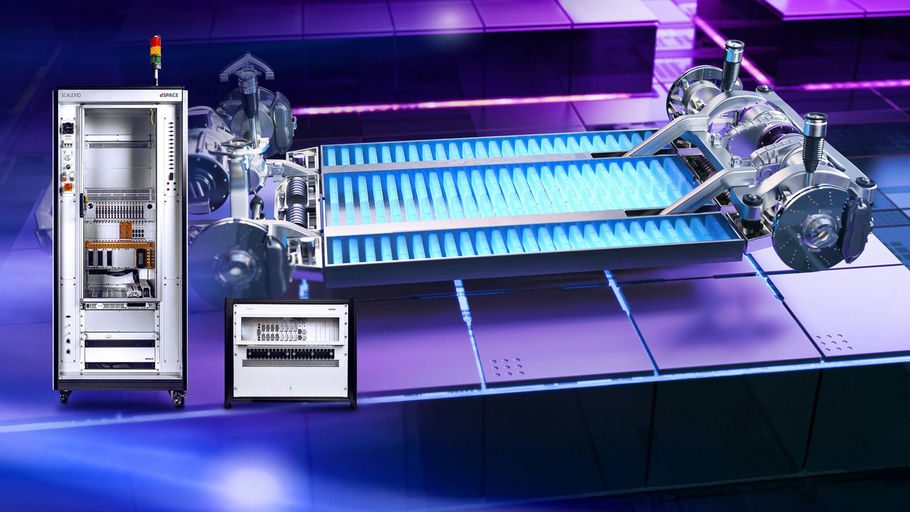
Recognising these industry challenges, dSPACE, a leading provider of simulation and validation solutions, is set to host a pivotal webinar. This session aims to demonstrate how a more standardised approach to Battery Management System Hardware-in-the-Loop (HIL) testing can yield substantial improvements in efficiency.
The webinar will delve into strategies that ensure accuracy, performance, and the inherent flexibility required for validating state-of-the-art battery management systems. By adopting standardised HIL methodologies, developers can streamline their validation processes, reduce bottlenecks, and ultimately accelerate the time-to-market for new EV models.
HIL testing, a cornerstone of modern automotive development, allows for the real-time simulation of complex system environments. For BMS, this means connecting the actual BMS hardware to a simulated battery model, enabling engineers to test software and hardware interactions under a vast array of fault conditions and operating scenarios that would be impractical or dangerous to replicate with a physical battery.
Webinar Details and Registration
The webinar, titled “Scalable And Cost-Efficient Testing Of State-of-the-Art Battery Management Systems,” is scheduled for September 15, 2026, at 10:15 am EDT. Interested professionals and stakeholders are encouraged to register promptly, as participation is free.
This is a valuable opportunity for engineers, researchers, and decision-makers involved in EV battery development to gain insights into cutting-edge testing methodologies that directly address some of the industry’s most pressing challenges. It offers practical strategies for enhancing the robust validation of advanced BMS technology.
The Broader Virtual Conference on EV Engineering
This dSPACE webinar is an integral part of the comprehensive Virtual Conference on EV Engineering, broadcast live from September 14 to 17, 2026. The conference serves as a vital platform for industry leaders, innovators, and experts to converge and share knowledge on the entire electric vehicle engineering supply chain and ecosystem.
The event offers an expansive agenda that encompasses a broad spectrum of critical topics essential for the continued advancement and mass adoption of electric mobility. Attendees will benefit from a holistic view of the latest developments and future trends shaping the EV landscape.
Comprehensive EV Engineering Coverage
The conference content is meticulously curated to cover the full breadth of the EV engineering domain. This includes, but is not limited to:
- Motor and Power Electronics Design and Manufacturing: Exploring innovations in electric motor efficiency and the development of robust power conversion systems.
- Cell Development: Delving into advancements in battery chemistry, materials science, and cell manufacturing processes.
- Battery Systems: Examining the intricacies of battery pack design, thermal management, and overall system integration.
- Testing and Powertrains: Focusing on advanced testing methodologies for various EV components, including integrated powertrain solutions.
- Thermal Management: Addressing crucial strategies for maintaining optimal operating temperatures for batteries and power electronics.
- Circuit Protection: Discussing vital safety measures and fault detection systems within high-voltage EV architectures.
- Wire and Cable Solutions: Innovations in high-voltage cabling and interconnectivity for demanding automotive environments.
- EMI/EMC Considerations: Strategies for managing electromagnetic interference and ensuring electromagnetic compatibility in complex EV systems.
The Virtual Conference on EV Engineering is designed to provide attendees with deep technical insights, strategic perspectives, and practical solutions across these critical areas. It reinforces the collaborative spirit needed to push the boundaries of electric vehicle technology.
Conclusion
The relentless pursuit of safer, higher-performing, and more cost-effective electric vehicles places Battery Management Systems at the forefront of innovation. The need for scalable and cost-efficient testing for state-of-the-art battery management systems is not merely an operational challenge but a strategic imperative for the future of electrification. The upcoming dSPACE webinar and the broader Virtual Conference on EV Engineering represent crucial opportunities for the industry to collaboratively address these complex demands, accelerating the journey towards a more sustainable and electrified future.
Frequently Asked Questions (FAQ)
What is the primary role of a Battery Management System (BMS) in an EV?
A BMS is essential for the safety, performance, and longevity of EV batteries. It monitors individual cell voltages and temperatures, manages cell balancing, calculates the state of charge, and protects the battery from overcharging, over-discharging, and overheating, ensuring optimal operation.
Why is model-based testing increasingly important for BMS development?
As BMS functionality and software complexity grow, model-based testing allows engineers to validate algorithms and hardware under realistic and extreme conditions without requiring expensive physical prototypes. It enhances efficiency, reduces development time, and improves the overall quality and safety of the BMS.
What is Hardware-in-the-Loop (HIL) testing for BMS?
HIL testing involves connecting the actual BMS hardware to a real-time simulator that emulates the battery pack and other vehicle components. This allows the BMS to be tested in a closed-loop environment under various operating scenarios and fault conditions, accelerating validation and ensuring robust performance.
What challenges do development teams face in BMS testing?
Development teams are under pressure to reduce testing efforts, shorten validation cycles, and lower costs while maintaining high accuracy, performance, and flexibility. The complexity of modern battery architectures and the need for comprehensive validation pose significant challenges.
How can a standardised approach to BMS HIL testing improve efficiency?
A standardised approach to HIL testing streamlines test procedures, reduces setup times, and allows for greater reusability of test cases and models. This consistency helps to improve overall efficiency, reduce errors, and accelerate the validation process for next-generation battery management systems.
What topics will the Virtual Conference on EV Engineering cover?
The conference encompasses the entire EV engineering supply chain, including motor and power electronics design, cell development, battery systems, powertrain integration, thermal management, circuit protection, wire and cable solutions, and EMI/EMC considerations, offering a holistic view of EV innovation.
Is there a cost to attend the dSPACE webinar or the Virtual Conference on EV Engineering?
No, both the dSPACE webinar focusing on BMS testing and the comprehensive Virtual Conference on EV Engineering are free to attend. Registration is required to reserve a spot and access the live or on-demand sessions, providing valuable insights to the industry.