
Key Takeaways
- PHYTEC has introduced a modular electronics toolkit for EV charging and energy management, offering manufacturers unprecedented flexibility.
- The core hardware features a custom carrier board built around the chargebyte Charge SOM, integrating essential EVCS functionalities onto a compact module.
- The system leverages EVerest, the Linux Foundation’s open-source EV charging software stack, supporting ISO 15118, Plug & Charge, and bidirectional charging.
- This open architecture eliminates vendor lock-in, allowing manufacturers to modify and extend firmware without external approval.
- Custom charge controller prototypes can be developed within approximately ten weeks, streamlining product development and integration.
In a significant development for the electric vehicle (EV) infrastructure landscape, PHYTEC has announced a groundbreaking modular electronics toolkit designed to empower manufacturers in creating highly customizable and future-proof EV charging solutions. This innovative offering aims to address the growing demand for adaptable charging technology, covering both AC and DC applications.
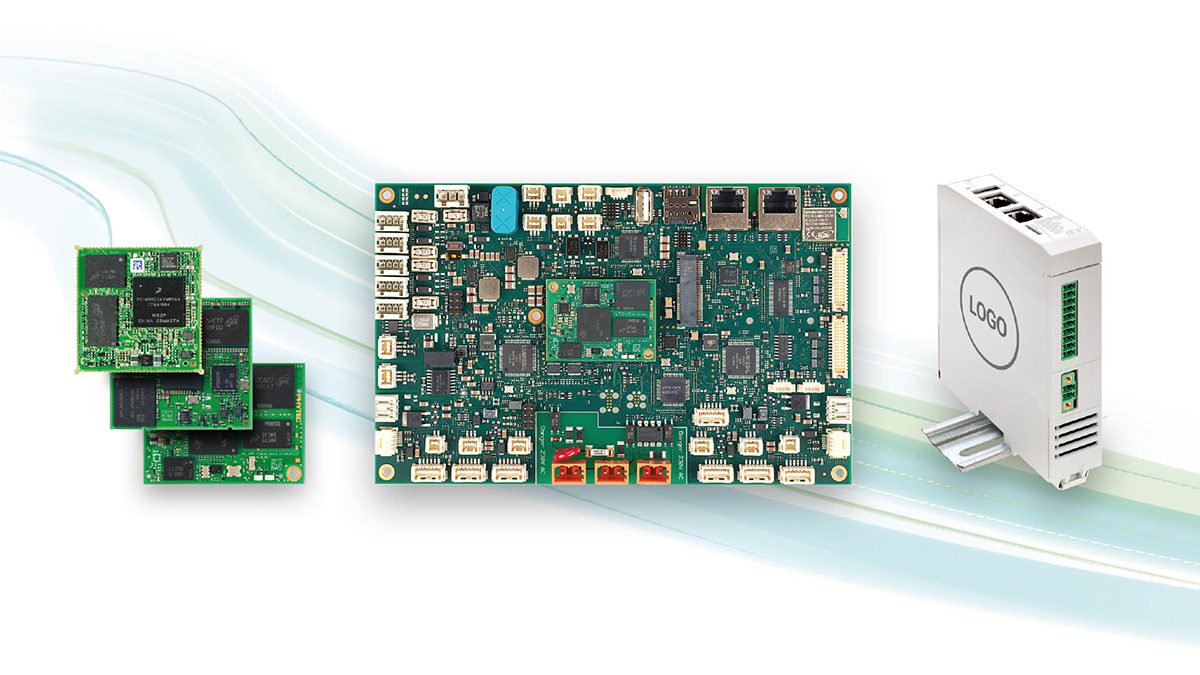
The company’s latest demonstration showcases EVerest-based charge controller modules alongside a flexible System on Module (SOM) platform, promising to redefine how custom charge controllers are developed and deployed. This approach fundamentally shifts away from proprietary hardware-software stacks, granting manufacturers greater control and autonomy over their product development cycles.

Revolutionizing EV Charging Infrastructure with Modular Design
The burgeoning electric vehicle market necessitates robust, scalable, and adaptable EV charging solutions. PHYTEC’s new modular electronics toolkit directly addresses this need by providing manufacturers with a comprehensive set of tools for building custom charge controllers and sophisticated energy management systems. This flexibility is crucial for innovators looking to differentiate their products in a competitive market.
Unlike traditional, often rigid, systems that bind manufacturers to a single vendor’s ecosystem, PHYTEC’s solution champions an open architecture. This design philosophy fosters innovation, reduces development timelines, and ensures long-term viability for new EV charging products. The modularity extends across various components, allowing for tailored implementations that meet specific market demands and technical specifications for both AC and DC charging scenarios.
The Heart of the System: Chargebyte Charge SOM Integration
At the core of this innovative platform lies a custom carrier board, meticulously engineered to integrate with the chargebyte Charge SOM. This System on Module (SOM) is a critical component, effectively serving as an EVCS-on-module. It consolidates several essential functionalities onto a single, compact board, streamlining hardware design and integration.

The chargebyte Charge SOM incorporates the primary processor, essential powerline communication (PLC) capabilities, crucial safety shutdown circuitry, and all necessary network interfaces. By combining these elements, the module provides a highly integrated and efficient foundation for advanced EV charging solutions, simplifying the complexity typically associated with developing such intricate systems.
Leveraging EVerest: The Power of Open-Source Software
A cornerstone of PHYTEC’s offering is its deep integration with EVerest, the pioneering open-source EV charging software stack developed under the auspices of the Linux Foundation. This choice underscores a commitment to open standards and collaborative development, providing manufacturers with unparalleled freedom and control.
EVerest empowers the charge controller modules with advanced capabilities, supporting crucial industry standards and features right out of the box. These include ISO 15118, which is vital for secure and smart communication between the EV and the charging station; Plug & Charge, enabling seamless and automated charging authentication; and bidirectional charging, a key enabler for vehicle-to-grid (V2G) and vehicle-to-home (V2H) applications.
The open-source nature of the EVerest stack offers a distinct advantage: firmware maintenance is included with the hardware purchase, yet customers retain the ability to modify or extend the firmware without requiring manufacturer approval. This eliminates vendor lock-in, a common concern in specialized hardware markets, and allows for rapid adaptation to evolving industry standards and customer requirements.
Accelerated Prototyping and Seamless Integration
One of the most compelling benefits highlighted by PHYTEC is the significantly accelerated development cycle for custom charge controllers. The company states that manufacturers can typically expect to reach a first prototype within an impressive ten weeks from initial specification. This rapid prototyping capability dramatically reduces time-to-market, a crucial factor in the fast-paced EV industry.
The open architecture of the platform also facilitates seamless integration of various functionalities. Manufacturers can integrate display and operator interface control directly into the same electronics layer, eliminating the need for separate subsystems. This consolidation reduces hardware complexity, minimizes bill of materials (BOM) costs, and simplifies overall system design for comprehensive EV charging solutions.
To further support early-stage development, PHYTEC and chargebyte jointly offer a dedicated evaluation kit. This kit provides an accessible entry point for engineers and developers to experiment with the modular system, test its capabilities, and begin prototyping their custom EV charging solutions with confidence.
PHYTEC’s Broader System on Module Ecosystem
Beyond the specialized chargebyte Charge SOM integration, PHYTEC also provides its own range of System on Modules. These modules, powered by ARM processors and running on Linux, serve as a versatile computing layer for a wide array of charge controllers and other customer-specific electronics. This parallel offering ensures that manufacturers have access to a broad ecosystem of embedded solutions from PHYTEC.
The availability of these general-purpose SOMs further enhances the flexibility of the overall toolkit. It allows companies to leverage PHYTEC’s established expertise in embedded systems for applications that may require different processing capabilities or custom peripheral integrations, ensuring a robust foundation for diverse EV charging solutions and energy management applications.
Comprehensive OEM Solutions for Energy Management
In addition to foundational hardware and software platforms for charge controllers, PHYTEC’s expanded offering includes ready-to-use OEM solutions specifically tailored for energy management. These solutions are available either with or without housing, providing further options for immediate deployment or custom enclosure integration.
Such energy management systems are becoming increasingly vital as the grid integrates more renewable sources and as EV charging becomes a more dynamic element of overall energy consumption. PHYTEC’s flexible OEM solutions enable businesses to quickly deploy sophisticated energy management capabilities that complement their EV charging infrastructure, optimizing power usage and potentially reducing operational costs.
Future-Proofing EV Charging Solutions
The introduction of PHYTEC’s modular electronics toolkit represents a significant step towards future-proofing EV charging solutions. By embracing open-source software like EVerest and providing a flexible hardware platform, the company is enabling manufacturers to build products that can adapt to rapid technological advancements and evolving regulatory landscapes.
The ability to modify firmware, support emerging standards such as ISO 15118 and bidirectional charging, and integrate custom interfaces all contribute to a system that is not only powerful today but also highly adaptable for tomorrow’s challenges. This approach positions manufacturers to innovate more freely and confidently in the dynamic realm of EV infrastructure development, fostering a new era of open and interoperable EV charging solutions.
Frequently Asked Questions (FAQ)
What is the primary benefit of PHYTEC’s new EV charging toolkit?
The primary benefit is offering manufacturers a modular, open-architecture solution to build custom EV charge controllers without vendor lock-in. This enables greater flexibility, faster prototyping, and the ability to modify firmware, supporting both AC and DC charging applications with advanced features like bidirectional charging.
How does the chargebyte Charge SOM contribute to the system?
The chargebyte Charge SOM is a compact EVCS-on-module that integrates the processor, powerline communication (PLC), safety shutdown circuitry, and network interfaces onto a single board. It serves as the core hardware component, simplifying design and providing a robust foundation for the EV charging solutions.
What role does EVerest play in these EV charging solutions?
EVerest is the Linux Foundation’s open-source EV charging software stack that runs on the modules. It provides critical functionalities such as support for ISO 15118, Plug & Charge, and bidirectional charging. Its open-source nature allows customers to modify and extend the firmware without manufacturer approval.
What does ‘no-lock-in’ mean for manufacturers using this platform?
’No-lock-in’ means manufacturers are not tied to a closed hardware-software stack. They can freely modify or extend the EVerest firmware without needing approval from PHYTEC or chargebyte, offering complete control over their product’s evolution and adaptability to new standards and features.
How quickly can a custom charge controller prototype be developed?
PHYTEC states that custom charge controllers typically reach their first prototype within approximately ten weeks from the initial specification. This significantly accelerates the development cycle, allowing manufacturers to bring innovative EV charging solutions to market much faster than conventional methods.
Does the system support advanced charging features like Plug & Charge?
Yes, the EVerest-based modules fully support advanced charging features, including Plug & Charge and ISO 15118. It also facilitates bidirectional charging, which is crucial for emerging vehicle-to-grid (V2G) and vehicle-to-home (V2H) applications, enhancing the versatility of the EV charging solutions.
Are there solutions available for energy management as well?
Yes, PHYTEC also offers ready-to-use OEM solutions specifically for energy management. These are available with or without housing, providing flexible options for integrating energy optimization capabilities alongside the EV charging infrastructure, catering to comprehensive energy management needs.