
Key Takeaways
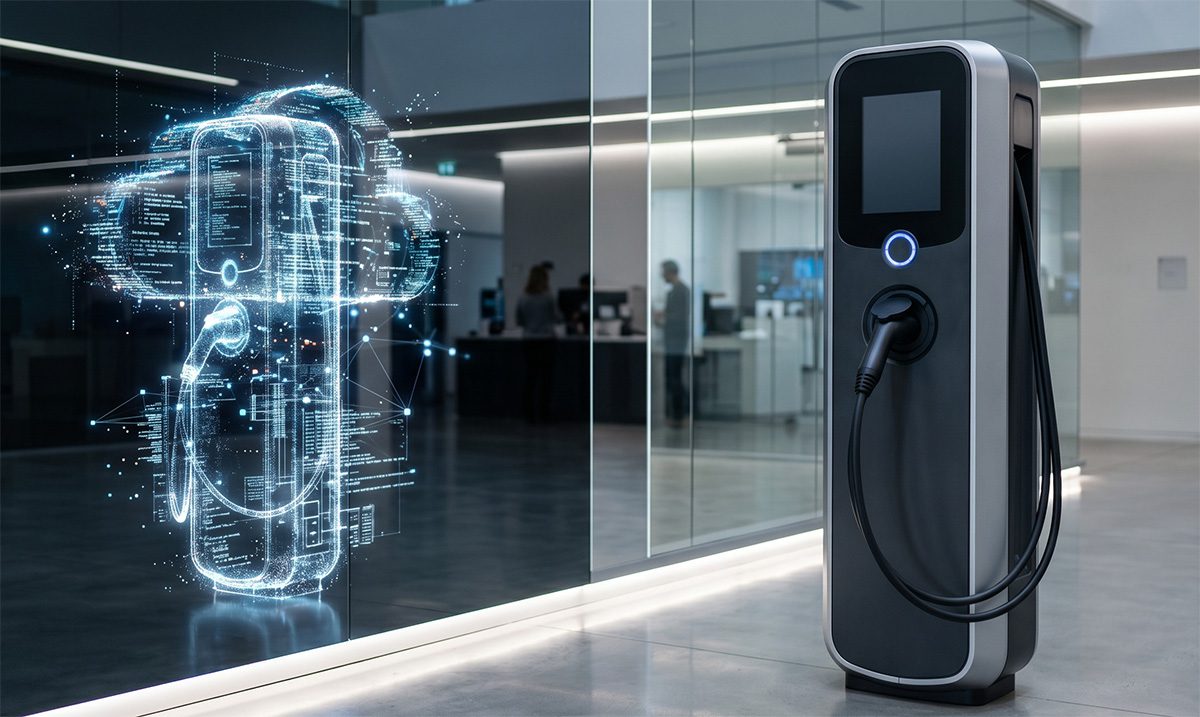
- Pionix, the German innovator behind the open-source EVerest charging stack, has introduced Pionix Cloud, a white-label device backend designed specifically for EV charger manufacturers.
- This new solution aims to provide engineering teams with unprecedented visibility and control over deployed charger fleets, mimicking the diagnostic capabilities available on a test bench.
- Pionix Cloud is bifurcated into the Charger Device Cloud (CDC) for development phases, offering features like automated firmware distribution and secure remote access, and the Charger Maintenance Cloud (CMC) for post-production fleet diagnostics and over-the-air updates.
- The platform seamlessly integrates with Pionix’s EVerest ecosystem but also supports non-EVerest chargers, broadening its applicability across the industry.
- Crucially, Pionix Cloud acts as a complement, not a replacement, to existing Charge Point Management Systems (CPMS), handling device-level engineering support while CPMS manages commercial operations like billing and tariffs.
- Manufacturers can leverage granular diagnostics and remote configuration to resolve errors without needing on-site technicians, significantly enhancing efficiency and reducing operational costs.
- A free tier for up to 10 chargers is available for the EVerest community, with commercial options for larger deployments, underscoring its commitment to both innovation and practical application.
Pionix, the German company renowned for its pioneering work on the open-source EVerest charging stack, has officially launched Pionix Cloud, a sophisticated white-label device backend tailored specifically for electric vehicle (EV) charger manufacturers. This strategic introduction is set to transform how engineering and support teams manage and maintain EV charging infrastructure once it is deployed in the field.
The burgeoning global EV market demands increasingly robust and reliable charging solutions. However, a significant challenge for manufacturers has long been the limited visibility into the performance and health of their chargers after they leave the factory floor. Pionix Cloud directly addresses this critical need, offering a comprehensive platform that promises to streamline operations and enhance the overall reliability of EV charging networks.

Addressing the Post-Production Support Gap for EV Charger Manufacturers
Even after EV Supply Equipment (EVSE) hardware enters production, engineering teams often retain significant responsibility for its ongoing performance and maintenance. This responsibility extends beyond initial deployment, encompassing a myriad of support cases that frequently emerge only once chargers are active in real-world environments.
These field-generated issues can range from software glitches and communication errors to hardware malfunctions, all of which require swift and accurate diagnosis. Without adequate tools, manufacturers face the daunting prospect of operating “blind,” relying on fragmented data or costly on-site technician dispatches to troubleshoot problems.
Pionix Cloud is meticulously engineered to bridge this gap. The company articulated its vision by explaining that the platform is “meant to give engineers the same visibility across a deployed [charger] fleet that they have on the bench.” This core principle underscores the platform’s ability to provide deep, real-time insights into the operational status of every connected charger.

Unlocking Unprecedented Remote Visibility and Control
For too long, engineering teams have been constrained by the physical proximity required for comprehensive diagnostics. Traditional methods often involve complex data logs, manual firmware updates, and the logistical challenges of managing a geographically dispersed fleet.
The absence of a dedicated, manufacturer-centric backend has led to inefficiencies, increased operational costs, and slower resolution times for critical issues impacting EV charging infrastructure. Pionix Cloud offers a direct remedy by centralizing control and data, empowering teams to proactively manage their devices remotely.
The Dual Architecture: CDC and CMC
Pionix Cloud is structured with a dual-view approach, each serving distinct phases of a charger’s lifecycle. This intelligent segmentation ensures that manufacturers have the right tools at the right time, from initial development through long-term field operation. These two core components are the Charger Device Cloud (CDC) and the Charger Maintenance Cloud (CMC).
Charger Device Cloud (CDC): Empowering Development and Testing
The Charger Device Cloud (CDC) is specifically designed for the crucial development and pre-production phases. It acts as a centralized hub, pooling globally scattered test hardware into a single, cohesive cloud inventory. This feature is invaluable for engineering teams working on prototypes or conducting rigorous testing across multiple locations.
Key functionalities of the CDC include automated firmware distribution, which significantly streamlines the process of updating test units with the latest software iterations. Furthermore, it provides secure SSH access, enabling engineers to securely connect to individual chargers remotely for in-depth debugging and configuration adjustments. Real-time telemetry offers continuous data streams on charger performance, while remote configuration capabilities allow for immediate parameter adjustments without physical intervention.
This comprehensive suite of tools within the CDC accelerates development cycles, improves the quality of pre-production testing, and ensures that new EVSE hardware is thoroughly vetted before mass deployment. It transforms a potentially fragmented testing process into a unified, efficient workflow.
Charger Maintenance Cloud (CMC): Sustaining Field Operations
Following the start of production and widespread deployment, the Charger Maintenance Cloud (CMC) takes over. This view is tailored to provide essential diagnostic information from the active fleet, ensuring continuous operational efficiency and minimizing downtime.
The CMC delivers granular diagnostics, offering detailed insights into the health and performance of each charger in the field. It also facilitates remote configuration and Over-The-Air (OTA) updates through a manufacturer-owned channel. This dedicated channel remains consistently connected, irrespective of which charge point management system (CPMS) an operator might be utilizing.
This persistent, direct communication channel is vital for maintaining control over proprietary hardware and software, allowing manufacturers to push updates, implement security patches, and fine-tune performance parameters without relying on third-party systems. The CMC thus becomes an indispensable tool for long-term maintenance and proactive problem-solving within an expansive EV charging network.
Advanced Capabilities for Enhanced Fleet Management
Beyond its dual-view architecture, Pionix Cloud integrates a range of advanced capabilities designed to optimize the management and support of EV charging infrastructure. These features collectively contribute to reducing operational complexities and improving service delivery.
One notable capability is the system’s robust firmware rollout mechanism, which includes one-click rollbacks. This functionality provides a critical safety net, allowing manufacturers to quickly revert to a previous, stable firmware version if an update introduces unforeseen issues. Such a feature is paramount in maintaining the reliability of critical infrastructure.
The platform also incorporates sophisticated role-based and asset-level access controls. These controls enable organizations to define precise permissions for different team members, ensuring that individuals only have access to the data and functionalities relevant to their roles. Additionally, the ability for temporary privilege escalation allows for necessary, secure, and audited temporary access for specific troubleshooting tasks.
Crucially, Pionix Cloud offers diagnostics that delve beneath the standard Open Charge Point Protocol (OCPP) layer. This deeper level of insight provides comprehensive information about both hardware and firmware components, enabling engineers to pinpoint and clear errors without the need to dispatch a technician into the field. This capability dramatically reduces resolution times and associated service costs, a significant advantage for EV charger manufacturers.
Pionix Cloud: Complementing, Not Replacing, CPMS
A fundamental aspect of Pionix Cloud’s design philosophy is its role as a complement to existing charge point management systems (CPMS), rather than a direct replacement. This distinction is vital for understanding its strategic position within the broader EV charging ecosystem.
A CPMS primarily handles the commercial and operational aspects of EV charging. This includes managing tariffs, processing billing information, facilitating roaming agreements between different charging networks, and providing user-facing interfaces. It focuses on the business relationship between the charge point operator and the end-user or vehicle.
In contrast, Pionix Cloud operates in parallel, establishing a dedicated device-level channel specifically for the manufacturer’s engineering and support teams. Its focus is entirely on the technical health, configuration, and maintenance of the physical charger hardware and its embedded software. This separation of concerns allows each system to specialize in its core function, leading to more efficient and robust overall management.
Pionix CEO Marco Möller succinctly captured the essence of this solution, stating, “Manufacturers shouldn’t have to fly blind or spend years building a non-core backend.” This highlights the often-overlooked burden placed on EV charger manufacturers to develop complex, proprietary backend solutions that fall outside their core expertise of hardware innovation.
By offering a turnkey device backend, Pionix Cloud enables manufacturers to concentrate on what they do best – designing and producing cutting-edge EVSE hardware – while entrusting the complexities of remote fleet management to a specialized, robust platform.
Accessibility and Future Outlook for EV Charger Backend Solutions
Pionix is committed to fostering widespread adoption and community engagement. To this end, Pionix Cloud is available free of charge for the EVerest community, supporting up to 10 chargers in a lab environment. This tier provides an accessible entry point for developers and smaller operations to explore the platform’s capabilities.
For larger deployments and commercial applications, Pionix offers various paid commercial tiers, designed to scale with the needs of growing EV charger manufacturers. These tiers ensure that businesses of all sizes can leverage the advanced features of Pionix Cloud to manage their fleets efficiently and effectively.
The company has also announced a live walkthrough of Pionix Cloud scheduled for July 9, providing an opportunity for interested parties to witness the platform’s features and functionalities in action. This demonstration will undoubtedly offer deeper insights into how this innovative solution can integrate into existing manufacturing and operational workflows.
The introduction of robust EV charger backend solutions like Pionix Cloud marks a significant step forward in the evolution of EV charging infrastructure. As the electric vehicle revolution accelerates, the demand for reliable, maintainable, and efficient charging points will only grow. Platforms that empower manufacturers with unparalleled visibility and control over their deployed hardware will be instrumental in meeting these demands, ensuring a seamless and reliable charging experience for EV drivers worldwide.
Frequently Asked Questions (FAQs)
What is Pionix Cloud?
Pionix Cloud is a white-label device backend service launched by Pionix, designed for EV charger manufacturers. It provides engineering teams with comprehensive remote visibility, diagnostic capabilities, and management tools for their deployed EV charging hardware, streamlining maintenance and support operations.
How does Pionix Cloud differ from a Charge Point Management System (CPMS)?
Pionix Cloud is a complement to, not a replacement for, a CPMS. While a CPMS handles commercial aspects like billing, tariffs, and roaming, Pionix Cloud focuses on device-level engineering support, providing manufacturers with a direct channel for diagnostics, configuration, and firmware updates for their hardware.
Can Pionix Cloud be used with non-EVerest chargers?
Yes, while Pionix Cloud is built upon Pionix’s open-source EVerest platform, it is designed to be versatile and can operate effectively with non-EVerest chargers. This broad compatibility makes it a flexible solution for a wide range of EVSE manufacturers across the industry.
What are the two main views within Pionix Cloud?
Pionix Cloud offers two primary views: the Charger Device Cloud (CDC) for the development phase, enabling test hardware management and automated firmware, and the Charger Maintenance Cloud (CMC) for post-production, providing granular diagnostics and OTA updates for active fleets.
How does Pionix Cloud improve field support for manufacturers?
By offering secure SSH access, real-time telemetry, remote configuration, and diagnostics beneath the OCPP layer, Pionix Cloud allows engineering teams to identify and resolve many field errors remotely. This reduces the need for costly and time-consuming on-site technician dispatches, enhancing efficiency.
Is there a cost-effective way to try Pionix Cloud?
Yes, Pionix offers a free tier of Pionix Cloud for the EVerest community. This free option supports up to 10 chargers in a lab environment, allowing developers and smaller-scale operations to experience the platform’s benefits without immediate commercial commitment.