

Key Takeaways:
- The Rivian R2 electric SUV has launched to overwhelmingly positive initial reviews, with customer deliveries now underway.
- Jason Fenske of Engineering Explained was particularly impressed, noting the vehicle’s practical size and its significant improvements over the R1S, specifically addressing issues like the motorized charge-port door and lack of glove boxes.
- Fenske highlighted the R2’s ‘super capable’ nature and ‘smart and practical’ feel, drawing comparisons to his beloved 2016 Subaru Crosstrek.
- Despite widespread acclaim, a minor critique emerged regarding the new scroll-wheels on the steering wheel, suggesting room for refinement.
- The R2 is crucial for Rivian’s aspirations in the broader automotive market, though scaling manufacturing and establishing a robust service network present ongoing challenges.
- Industry observers are closely watching the R2’s performance against established competitors like the Tesla Model Y.
The highly anticipated Rivian R2 has officially entered the market, with customer deliveries commencing this week. Initial drive reviews, including a comprehensive assessment from InsideEVs’ Mack Hogan, reveal a strikingly positive reception for Rivian’s latest mainstream electric SUV. The widespread glowing feedback marks a notable moment in the electric vehicle (EV) landscape, distinguishing the R2 from many recent automotive launches.
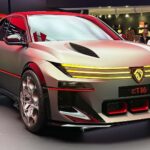
During a recent episode of the Plugged-In Podcast, industry analyst and YouTube personality Jason Fenske of Engineering Explained shared his detailed impressions of the Rivian R2. Like many who experienced the vehicle firsthand, Fenske expressed considerable admiration for the new model. He underscored a unique observation from the launch event: many reviewers were not just evaluating the R2 but were actively contemplating a purchase.
Expert Impressions on the Rivian R2’s Debut
Jason Fenske, known for his meticulous engineering analyses, did not merely review the Rivian R2; he considered its ownership proposition. His personal assessment culminated in a clear desire for the vehicle. “I am one of those people that was assessing, do I want to own this thing? And my answer is yes, I do want to own that thing,” he openly stated on the podcast.
This sentiment highlights a critical factor for any new vehicle: its ability to connect with potential buyers on a personal level, transcending mere performance metrics. For an emerging brand like Rivian, such a reaction from an influential voice like Fenske is invaluable, signaling strong market appeal for the Rivian R2 electric SUV.
Addressing R1S Learnings in the Rivian R2 Design
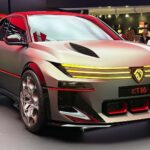
A significant aspect of Fenske’s positive feedback centered on the Rivian R2’s refined design and improved functionality compared to its larger sibling, the R1S. He specifically praised the R2’s more manageable size, which often resonates better with urban drivers and those seeking a more agile form factor.
Furthermore, the R2 appears to have systematically rectified some of the R1S’s perceived shortcomings. Fenske pointed out improvements such as the more user-friendly charge-port door, moving away from the R1S’s often-criticized fussy, motorized mechanism. The introduction of practical glove boxes also addressed a common feedback point, enhancing the vehicle’s everyday utility and storage solutions.
“I was really impressed by it,” Fenske reiterated. He elaborated, “There’s a lot of things that I’m not that stoked about on R1S, which I recently did a long road trip in. And I found R2 corrected almost all of those, and was just in a package that I like more, meaning it’s smaller. So I really enjoyed it.” This direct comparison underscores Rivian’s responsiveness to customer and reviewer feedback, integrating practical enhancements into the newer model.
Engineering Explained: Practicality Meets Capability
Fenske further contextualized the Rivian R2 by drawing a comparison to his past ownership experience with a 2016 Subaru Crosstrek, a vehicle he enjoyed for approximately eight years. This analogy speaks volumes about the R2’s intended market and perceived value proposition: a highly capable yet practical vehicle for active lifestyles.
Despite featuring a more basic suspension setup compared to the sophisticated systems found in the R1S and R1T, Fenske found the Rivian R2 to be “super capable.” This suggests that Rivian has optimized the vehicle’s dynamics to deliver robust performance and handling suitable for varied terrains, without over-engineering for features that might not be essential for its target demographic.
He observed that the R2 “feels very smart and very practical.” This blend of attributes positions the Rivian R2 electric SUV as a compelling choice for consumers who prioritize utility and reliability. Fenske concluded, “And it’s like, this is a bit of a price increase over Subaru, but very practical, very well thought out for the person who wants to do things outdoors.” This statement indicates a strategic pricing and design approach, aiming for a premium yet accessible offering for outdoor enthusiasts and adventure seekers.
User Interface and Ergonomic Considerations
While the overall reception was overwhelmingly positive, no vehicle is without its initial points of critique. Both Mack Hogan and Jason Fenske noted some areas for potential improvement, particularly concerning the new scroll-wheels integrated into the Rivian R2’s steering wheel.
These new controls, while aiming for modern functionality, appear to require some refinement to enhance user experience. Feedback on such ergonomic elements is crucial for automakers, especially in early production phases, allowing for iterative improvements that can significantly impact long-term customer satisfaction and driver engagement. Addressing these minor issues promptly can further solidify the Rivian R2’s reputation for thoughtful design.
The Rivian R2’s Strategic Importance for Future Growth
The success of the Rivian R2 is pivotal for the company’s trajectory within the highly competitive automotive industry. To transition from a niche electric truck and SUV manufacturer to a mainstream player, Rivian needs the R2 to achieve significant sales volumes. The initial, universally positive reviews suggest that the company has “nailed the assignment” in terms of product design and initial appeal.
However, the journey ahead involves significant challenges beyond the product itself. The “hard part” now centers on scaling up manufacturing to meet anticipated demand. This includes establishing efficient production lines and ensuring consistent quality across a larger output. Equally critical is the development of a comprehensive and reliable service network capable of supporting the growing fleet of Rivian R2 electric SUVs once they reach customers’ hands. These operational aspects are fundamental to sustained growth and customer trust.
Competing in the Mainstream EV Segment
The Rivian R2 enters a dynamic electric vehicle market, inevitably drawing comparisons to established segment leaders, most notably the Tesla Model Y. Both vehicles target the compact to mid-size electric SUV segment, appealing to a broad range of consumers seeking practical, environmentally conscious transportation.
The R2’s distinctive blend of rugged capability, thoughtful interior design, and a focus on outdoor utility positions it as a formidable contender. Its ability to carve out a unique identity while offering compelling features will be key to attracting market share. The positive initial driving impressions, combined with strategic pricing, suggest the Rivian R2 is well-equipped to challenge existing benchmarks and introduce a fresh perspective to the mainstream EV buyer.
As the Rivian R2 transitions from initial reviews to broader customer adoption, its performance in sales, manufacturing efficiency, and service quality will dictate its long-term impact. The enthusiasm from experts like Jason Fenske provides a strong foundation, signaling a promising future for Rivian’s crucial new electric SUV.
Frequently Asked Questions About the Rivian R2 Electric SUV
What makes the Rivian R2 different from the R1S?
The Rivian R2 is a smaller, more mainstream electric SUV compared to the larger, more premium R1S. It incorporates design refinements that address some R1S shortcomings, such as a simpler charge port and improved interior storage with glove boxes, making it more practical for everyday use and potentially more accessible.
What are the key strengths of the Rivian R2, according to experts?
Experts like Jason Fenske highlight the R2’s practical size, robust capability despite a more basic suspension, and its overall “smart and practical” feel. Its design improvements over the R1S, particularly in user-friendly features, also contribute to its strong positive reception among those who have driven it.
How is the Rivian R2 positioned in the EV market?
The R2 is positioned as a highly capable, practical, and well-thought-out mainstream electric SUV, appealing to a broader audience, including outdoor enthusiasts. It aims to compete with established models like the Tesla Model Y by offering a unique blend of ruggedness and refined utility at a competitive price point.
What challenges does Rivian face with the R2 launch?
While the R2 has received glowing reviews, Rivian’s primary challenges lie in scaling up manufacturing efficiently to meet anticipated demand. Additionally, expanding and ensuring a robust service infrastructure is crucial to support the increasing number of R2 vehicles on the road and maintain high customer satisfaction.
Are there any critiques of the Rivian R2?
Yes, some initial feedback from reviewers, including Jason Fenske, pointed out that the new scroll-wheels on the steering wheel could benefit from further refinement. This is a common area for iterative improvements in new vehicle designs as manufacturers gather real-world user data.
Why is the R2 important for Rivian’s future?
The R2 is critical for Rivian to expand its market presence beyond premium electric trucks and SUVs. Its success as a mainstream model is essential for the company to achieve higher sales volumes, secure its financial stability, and solidify its position as a major player in the global automotive industry.