
Key Takeaways
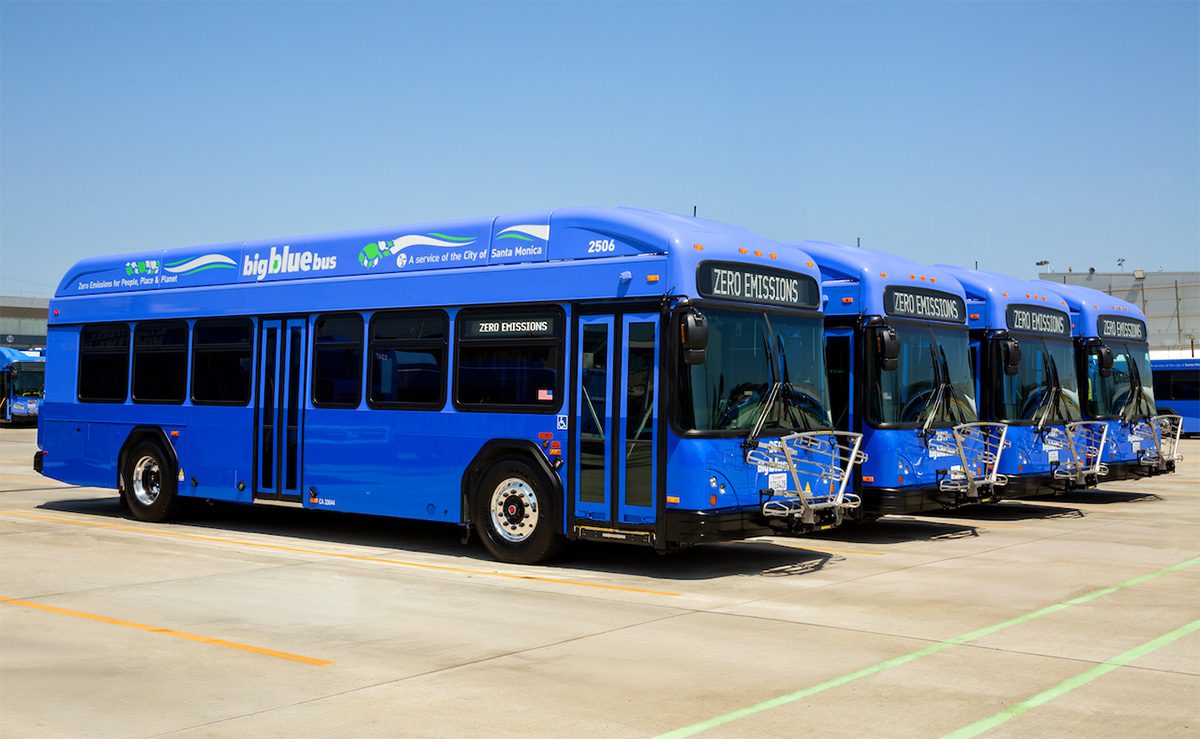
- Santa Monica’s Big Blue Bus is investing $56 million to transition to a fully zero-emission electric bus fleet by 2032.
- The project is a collaborative effort between EV charging leader ChargePoint and intelligent power management company Eaton.
- ChargePoint will deploy 130 DC fast charging ports using its Express Plus line, along with fleet management software.
- Eaton is providing critical electrical infrastructure, including medium-voltage switchgear, switchboards, panelboards, and engineering expertise.
- This initiative aims to improve air quality, enhance rider experience, and create a safer, more efficient operational environment for the city.
Santa Monica, a progressive city on the Westside of Los Angeles County, is making a monumental leap towards sustainable urban mobility. The city’s public transit agency, Big Blue Bus, is embarking on a transformative journey to convert its entire operations into a fully zero-emission electric bus fleet by 2032. This ambitious goal is being powered by a strategic partnership between electric vehicle (EV) charging giant ChargePoint and intelligent power management company Eaton.
The collaborative effort will see the deployment of cutting-edge EV charging infrastructure designed to support a large-scale public transportation network. This significant investment underscores Santa Monica’s commitment to environmental stewardship and sets a new benchmark for urban transit systems nationwide.
Strategic Alliance: Powering Santa Monica’s Green Vision
The transition to an all-electric public transit system represents a substantial undertaking, requiring robust infrastructure and advanced energy management solutions. The city of Santa Monica has allocated a considerable $56 million investment towards this electric transit fleet infrastructure, a clear indicator of its long-term vision for a greener future.
At the heart of this project is the synergy between ChargePoint’s specialized EV charging technology and Eaton’s comprehensive electrical engineering prowess. Together, they are crafting a resilient and efficient charging ecosystem capable of meeting the rigorous demands of a large-scale electric bus fleet.
ChargePoint’s Advanced DC Fast Charging Solutions
ChargePoint, a recognized leader in the EV charging sector, is spearheading the deployment of the charging hardware and intelligent software solutions. The project mandates the installation of 130 DC fast charging ports, exclusively featuring ChargePoint’s high-performance Express Plus line of equipment.
These DC fast charging solutions are crucial for public transit operations, where rapid turnaround times are essential to maintain service schedules. The Express Plus system is designed for high-power delivery, enabling buses to quickly recharge and return to service, thereby maximizing operational efficiency and uptime.
Rick Wilmer, CEO at ChargePoint, highlighted the scale and significance of their involvement. “This project represents one of ChargePoint’s largest transit deployments to date, showcasing how our scalable, high-power charging solutions can meet the complex needs of large bus fleets and help agencies transition to fully electric operations while delivering a lower total cost of ownership,” he stated.
Beyond the physical charging units, ChargePoint is also providing its advanced fleet software. This software suite is integral for managing charging schedules, optimizing energy consumption, monitoring charger health, and providing valuable data analytics to the Big Blue Bus operations team. Such sophisticated management tools are vital for maintaining the efficiency and reliability of an extensive electric bus fleet.
Eaton’s Robust Electrical Infrastructure and Energy Management
Complementing ChargePoint’s charging technology, Eaton, a global leader in intelligent power management, is providing the foundational electrical infrastructure. This includes critical components such as medium-voltage switchgear, switchboards, and panelboards.
These elements form the backbone of the charging depot’s electrical system, ensuring safe, reliable, and efficient power distribution to the numerous charging ports. Eaton’s expertise extends beyond just hardware; the company is also contributing essential engineering expertise to design and implement a resilient power system tailored to the specific needs of a large-scale electric bus fleet.
Paul Ryan, Vice President and General Manager, Energy Transition at Eaton, emphasized the company’s role in streamlining the electrification process. “Whether you’re electrifying a fleet or a personal vehicle, Eaton is making electrification easier, faster and more flexible—helping customers maximize infrastructure investments, optimize energy use and unlock greater value from the grid,” he remarked.
Eaton’s solutions are critical for managing the significant power demands of 130 DC fast chargers, ensuring grid stability and optimizing energy costs for Big Blue Bus. Their systems are designed to integrate seamlessly with renewable energy sources and grid management technologies, further enhancing the sustainability and economic viability of the entire operation.
Santa Monica’s Ambitious Goal: A Zero-Emission Fleet by 2032
The city of Santa Monica Department of Transportation’s directive to operate a fully zero-emission fleet by 2032 is a bold statement on its environmental commitments. This aggressive timeline positions Santa Monica at the forefront of sustainable public transportation initiatives in the United States.
The $56-million investment is not merely for purchasing electric buses, but for establishing a comprehensive infrastructure that supports their operation for decades to come. This includes not only the charging solutions but also the necessary upgrades to electrical grids and depot facilities.
Anuj Gupta, Director of Transportation for the City of Santa Monica, articulated the multifaceted benefits of this transition. “By investing in clean, electric transit, we’re creating healthier air for our communities, a quieter and more comfortable experience for riders, and a safer, more efficient environment for our workforce,” Gupta stated.
The move to an electric bus fleet will significantly reduce tailpipe emissions, contributing to cleaner air quality in Santa Monica and the wider Los Angeles County region. This directly addresses public health concerns linked to air pollution, particularly in densely populated urban areas. Furthermore, electric buses operate much more quietly than their diesel counterparts, reducing noise pollution in neighborhoods and enhancing the passenger experience.
Impact and Implications for Public Transit Modernization
The Santa Monica project serves as a compelling case study for other municipalities considering similar transitions. The partnership between ChargePoint and Eaton demonstrates a comprehensive approach to fleet electrification, addressing both the charging hardware and the underlying electrical infrastructure.
This initiative highlights several key trends in public transportation modernization: the imperative for environmental sustainability, the economic advantages of electric vehicles through lower operating costs, and the growing availability of robust technological solutions to support large-scale deployments. The “lower total cost of ownership” mentioned by ChargePoint’s CEO refers to the long-term savings from reduced fuel expenses, lower maintenance requirements, and potential government incentives associated with zero-emission vehicles.
The successful implementation of such an extensive electric bus fleet will not only benefit Santa Monica residents but also provide valuable insights and best practices for urban planners and transit agencies worldwide looking to decarbonize their operations. It underscores the critical role of public-private partnerships in achieving ambitious environmental goals.
The Road Ahead for Sustainable Urban Transport
Santa Monica’s journey towards an all-electric bus fleet is a significant stride in the global movement towards sustainable urban living. By strategically investing in advanced charging infrastructure and robust power management systems, the city is not just replacing old buses; it is building a future-proof transportation network.
The collaboration between industry leaders ChargePoint and Eaton provides a scalable model for other cities to follow, demonstrating that with careful planning and innovative partnerships, the transition to a fully electric public transit system is not only achievable but also brings substantial environmental, economic, and social benefits. This project solidifies Santa Monica’s position as a leader in green innovation and a testament to the transformative power of sustainable transportation.
Frequently Asked Questions (FAQ)
What is the primary goal of Santa Monica’s Big Blue Bus project?
The primary goal is for the Santa Monica Department of Transportation’s Big Blue Bus to operate a fully zero-emission electric bus fleet by the year 2032. This initiative is a major step towards enhancing environmental sustainability and improving public health within the city.
What is the total investment Santa Monica is making in this infrastructure?
The City of Santa Monica is making a substantial $56-million investment in its electric transit fleet infrastructure. This funding covers the advanced charging solutions, electrical upgrades, and other necessary components for a comprehensive transition to electric buses.
What specific roles are ChargePoint and Eaton playing in this project?
ChargePoint is providing 130 DC fast charging ports from its Express Plus line, along with essential fleet software. Eaton is supplying the critical electrical infrastructure, including medium-voltage switchgear, switchboards, panelboards, and specialized engineering expertise for power management.
What are the expected benefits of transitioning to an electric bus fleet?
The transition is expected to deliver numerous benefits, including healthier air quality for communities, a quieter and more comfortable experience for riders, and a safer, more efficient operational environment for the transit workforce.
Why is the partnership between ChargePoint and Eaton significant?
This partnership is significant because it combines ChargePoint’s scalable, high-power EV charging solutions with Eaton’s expertise in robust electrical infrastructure and energy management. This comprehensive approach ensures a reliable, efficient, and cost-effective transition to an all-electric public transit system.
What does “lower total cost of ownership” mean for the electric bus fleet?
“Lower total cost of ownership” refers to the long-term economic advantages of electric buses. These include significant savings on fuel costs compared to diesel buses, reduced maintenance expenses due to fewer moving parts, and potentially benefiting from government incentives for zero-emission vehicles, making them a more economical choice over their lifespan.
How will the new charging infrastructure support the fleet’s operations?
The 130 DC fast charging ports from ChargePoint’s Express Plus line will enable rapid recharging of the buses, minimizing downtime and maximizing operational efficiency. Paired with intelligent fleet software, the infrastructure will ensure optimized charging schedules and reliable power delivery to support Big Blue Bus’s demanding service requirements.