
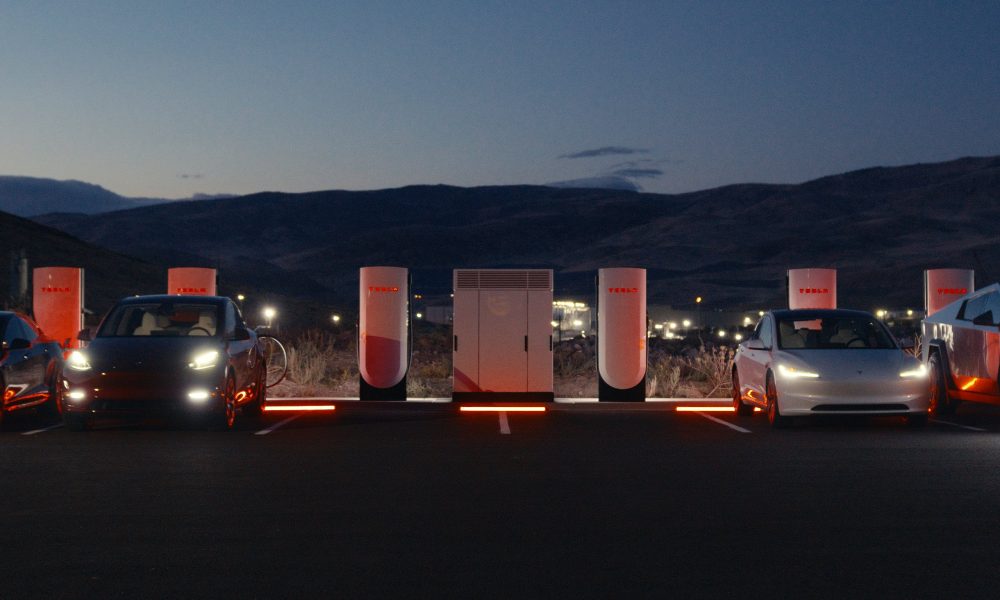
Tesla is set to significantly expand its electric vehicle charging infrastructure in Australia with plans for its largest Supercharger station to date. The new facility will be located in Goulburn, New South Wales, a strategically chosen site that facilitates travel between the major cities of Sydney and Canberra.
Expanding the Australian EV Charging Network
This development represents a major enhancement to Tesla’s Supercharger network, which currently comprises 148 active sites across Australia. Notably, 80 of these locations are already open to non-Tesla electric vehicles, underscoring the company’s broader commitment to supporting the wider adoption of electric mobility.
The upcoming Goulburn station is expected to feature more than 25 charging stalls, surpassing the capacity of Tesla’s existing 20-stall site in the same city. Reports suggest these new stalls will likely be V4 Superchargers, representing Tesla’s latest and fastest charging technology. This advancement promises to offer substantial range boosts for electric vehicles in a relatively short charging time.
Strategic Location and Network Reliability
Goulburn’s position makes it an ideal stopping point for drivers on the busy corridor connecting Sydney and Canberra. The expansion aims to meet the growing demand for reliable and fast EV charging, especially as more automakers gain access to the Tesla network.
The Tesla Supercharger network is widely recognized for its dependability. It is rare to encounter a Supercharger location that is entirely out of service, a testament to the robust nature of the infrastructure.

Tesla’s Market Performance in Australia
The launch of the new Supercharger comes at a time when Tesla’s vehicle sales in Australia have presented a complex picture. In 2025, the company delivered 28,856 new vehicles, marking a 24.8% decrease from the 38,347 units sold in 2024. This decline, the largest annual drop on record for the brand, follows a similar trend in the previous year and is attributed to increased competition, particularly from Chinese EV manufacturers like BYD, and evolving consumer preferences towards SUVs.
Model Y Continues to Lead EV Sales
Despite the overall dip in deliveries, the Tesla Model Y remained the best-selling electric vehicle in Australia by a significant margin. With 22,239 deliveries in 2025, a 4.6% increase year-over-year, the Model Y accounted for approximately 77% of Tesla’s total sales. The introduction of the updated ‘Juniper’ Model Y mid-year contributed to maintaining its strong position in the mid-size SUV segment.
Model 3 Faces Challenges
In contrast, the Model 3 sedan experienced a sharp decline, with sales plummeting by 61.3% to just 6,617 units. This downturn reflects a broader market trend favoring SUVs over sedans, coupled with an expanding array of options in the sedan category.
Broader EV Market Growth
Even with Tesla facing these internal sales headwinds, the overall electric vehicle market in Australia demonstrated robust growth. In 2025, EV sales surpassed 156,000 units, capturing 13% of the total market share—an increase of 38.7% from 2024. This indicates strong broader adoption of electric vehicles among Australian consumers.
Early data from 2026 suggests a potential rebound for the EV market, with sales nearly doubling year-over-year in February. The Model Y, in particular, has shown strong gains, positioning Tesla for a potential recovery amidst ongoing market competition.
Implications for EV Owners
The expansion of Tesla’s Supercharger network, including the new, larger facility in Goulburn, is a welcome development for all EV owners. Greater accessibility to reliable charging infrastructure is crucial for supporting the increasing number of electric vehicles on Australian roads and for encouraging further adoption of sustainable transportation.
This investment in charging infrastructure aligns with Tesla’s broader strategy of enhancing the EV ownership experience and supporting the transition to electric mobility across Australia.