
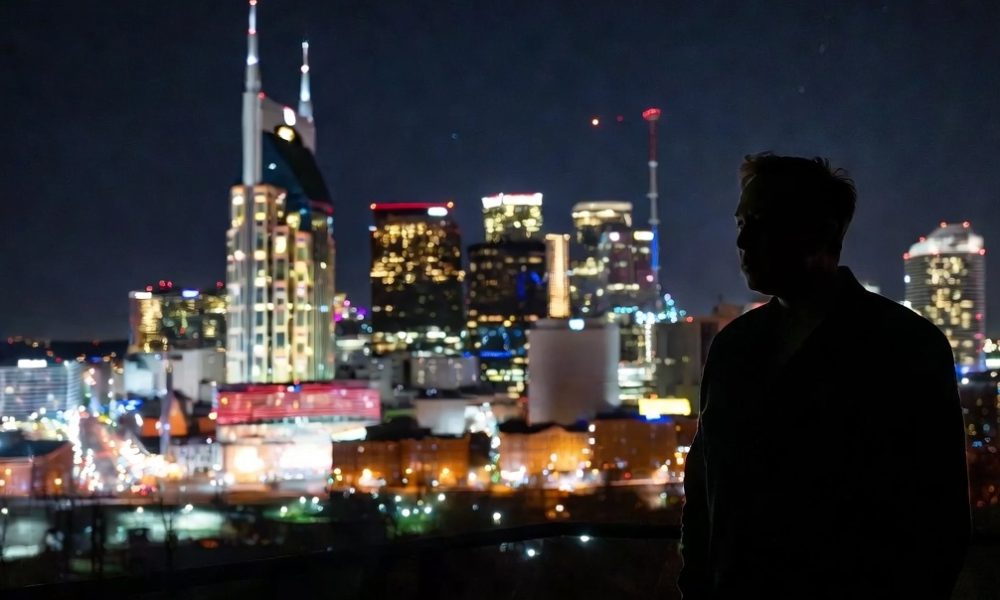
Nashville, Tennessee – The Boring Company, founded by Elon Musk, has successfully navigated its final regulatory hurdles in Nashville, securing critical endorsements that put the ambitious Music City Loop project firmly on track for an initial operational launch by late 2026. This underground transit system, designed to alleviate metropolitan congestion, marks a significant step forward in the company’s vision for high-speed sub-surface transportation.
The recent clearances represent a culmination of several months of rigorous review and approvals, culminating in a crucial easement grant that paves the way for construction beneath the city’s vibrant landscape. With these final authorizations in place, the Music City Loop project is transitioning from an ambitious proposal to an active construction endeavor, poised to redefine urban mobility in Nashville.

Key Regulatory Milestones Achieved
The most recent and pivotal approval for the Music City Loop project came on March 24, 2026, when the Convention Center Authority voted to grant The Boring Company essential access. This easement along the west side of the Music City Center property is vital, as it allows for tunneling operations beneath the privately owned venue, integrating a critical segment of the proposed route.
This decision follows other significant endorsements earlier in the year. On February 18, the Metro Nashville Airport Authority provided its unanimous approval with a 7-0 vote, clearing the path for the tunnel’s connection to Nashville International Airport (BNA). Just a week later, on February 25, a joint state and federal approval was secured from the Tennessee Department of Transportation and the Federal Highway Administration, addressing broader infrastructure and regulatory requirements.
The collective impact of these ‘green lights’ is profound. They have effectively eliminated major regulatory and land access obstacles, allowing for the construction of a roughly 10-mile underground tunnel. This primary route will directly link downtown Nashville to Nashville International Airport, with future plans hinting at potential extensions into the bustling midtown area along West End Avenue, further expanding the reach and utility of the Music City Loop project.

Addressing Nashville’s Urban Challenges
Nashville’s selection as a site for The Boring Company’s innovative transit solution was not arbitrary. The city has experienced remarkable population growth in recent years, a dynamic that, while indicative of its economic vitality, has concurrently placed immense strain on its existing surface infrastructure. The consequences are evident in the persistent traffic congestion that has become a daily challenge for residents, convention visitors, and airport travelers alike.
The Music City Loop project directly targets these escalating transportation woes. By offering an approximately 8-minute underground transit time between downtown Nashville and BNA, the system promises a dramatic reduction in commute durations, a significant improvement over typical surface travel during peak hours. This efficiency is expected to translate into substantial time savings for thousands of commuters and travelers daily.
Beyond speed, the environmental and operational benefits are notable. The Music City Loop is designed to be a fully electric, zero-emissions system, aligning with contemporary sustainability goals. Crucially, the project is envisioned to operate at no direct cost to taxpayers, representing a privately funded infrastructure solution aimed at public benefit. These combined attributes position the Music City Loop project as a forward-thinking response to modern urban development pressures.
The Boring Company’s Disruptive Approach
The Music City Loop project epitomizes Elon Musk’s long-standing belief in the transformative power of underground transit. Responding to discussions surrounding the Loop’s construction costs, Musk famously posted on X: “Tunnels are so underrated.” This statement encapsulates a core philosophy of The Boring Company: that underground infrastructure offers a highly cost-effective and scalable solution to traffic congestion.
The company has made bold claims regarding its efficiency and cost-effectiveness. For instance, The Boring Company asserts it can construct 13 miles of twin tunnels in Nashville for an estimated total cost ranging between $240 million and $300 million. This figure is presented as a mere fraction of what comparable, traditional tunneling projects typically incur in other parts of the United States, highlighting the company’s disruptive approach to infrastructure development.
This aggressive cost model is central to The Boring Company’s strategy, aiming to make advanced underground transportation economically viable for a wider range of urban environments. By significantly reducing the financial burden associated with large-scale tunneling, the Music City Loop project could set a new precedent for how cities approach their future transportation needs.
Las Vegas Loop as a Precedent
The operational success of the Las Vegas Loop, The Boring Company’s inaugural system, serves as a compelling proof of concept for the Music City Loop project. The Vegas Loop, currently facilitating transit at the Las Vegas Convention Center, has demonstrated its capacity and efficiency in real-world, high-demand scenarios.
During the CONEXPO trade show in March 2026, for example, the Las Vegas Loop efficiently transported approximately 82,000 passengers over a five-day period. This performance underscored the system’s ability to manage large-scale events and high passenger volumes effectively. The experience garnered in Las Vegas provides valuable insights and confidence for deploying a similar system in Nashville, another major hub for conventions and tourism.
Local business leaders in Nashville have closely observed the Las Vegas model, recognizing the potential for the Music City Loop project to enhance the city’s appeal to convention visitors and tourists. The promise of rapid, efficient, and reliable transit, similar to the proven capacity in Las Vegas, is seen as a significant draw, reinforcing widespread support for the Nashville initiative.
Construction Underway and Future Projections
The Music City Loop project was initially announced in July 2025, setting in motion a series of planning and approval processes. The tangible phase of construction commenced remarkably swiftly, within hours of receiving the state and federal approval on February 25. The Boring Company’s advanced Prufrock tunneling machine was already on the ground and actively engaged in excavation work on the very evening of the approval, showcasing the company’s rapid deployment capabilities.
The ambitious timeline for the Music City Loop project envisages the first operational segment to be ready by late 2026. This initial phase will provide an early demonstration of the system’s functionality and benefits. The full 10-mile route, connecting downtown to BNA, is currently projected for completion by 2029. This phased approach allows for incremental progress and testing while working towards the broader vision.
Significantly, the Music City Loop project stands out as one of the largest privately funded infrastructure endeavors currently in progress across the United States. This model of private investment in public-serving infrastructure underscores a growing trend and highlights the potential for innovative financing strategies to address pressing urban development needs without solely relying on taxpayer funds.
A Glimpse into Urban Transit’s Future
The Music City Loop project represents more than just a new transportation route; it embodies a potential paradigm shift in how metropolitan areas confront congestion and plan for future growth. By offering an efficient, environmentally conscious, and privately financed alternative, The Boring Company aims to demonstrate the viability and advantages of its tunneling technology.
As construction progresses and the system moves closer to its operational targets, all eyes will be on Nashville. The success of the Music City Loop project could serve as a blueprint for other cities grappling with similar challenges, potentially catalyzing a broader adoption of high-speed underground transit solutions across the nation and globally. This venture positions Nashville at the forefront of urban innovation, showcasing a bold vision for a connected and less congested future.