
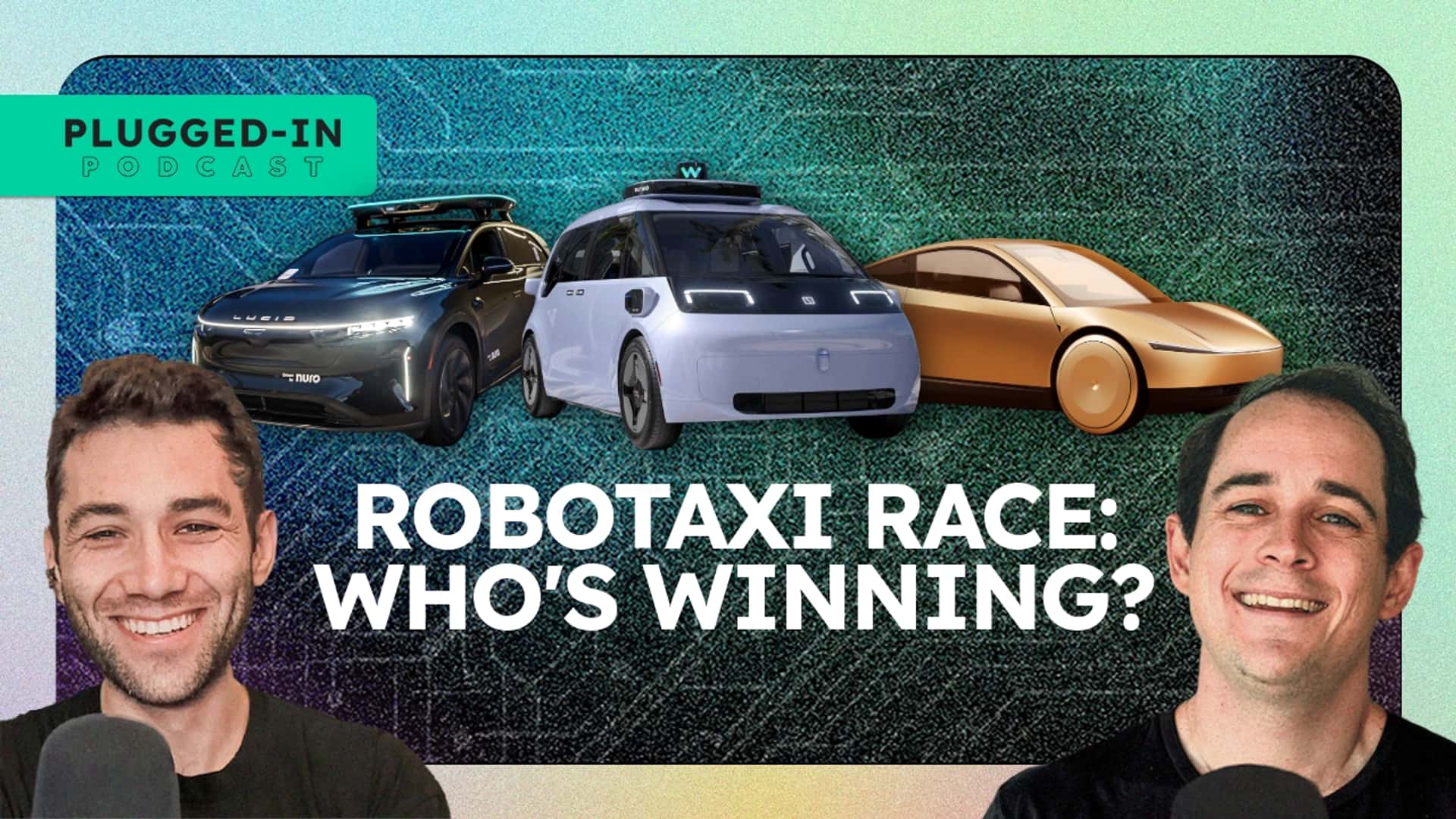
The vision of accessible autonomous transportation, once a distant dream, is rapidly materialising into a tangible reality. The past week alone has delivered a flurry of developments from key players such as Tesla, Uber, Waymo, Wayve, and Lucid, underscoring the intensely competitive and ever-shifting landscape of the global robotaxi market. As companies vie for supremacy, the question of who will ultimately claim the largest share of this burgeoning industry remains intricate and multi-faceted.
Key Takeaways
- The robotaxi market is rapidly evolving, with major players like Waymo, Tesla, and Uber making significant strides.
- Waymo holds a perceived lead in deployment scale but recently faced a recall over safety concerns.
- Tesla is pursuing a vertically integrated approach with its Cybercab, but its aggressive strategy and past safety issues raise questions.
- Uber is strategically building a vast network of partnerships with AV developers and vehicle manufacturers (Nuro, Lucid, Stellantis, Wayve, Rivian) to dominate the ride-hailing platform.
- Mobileye is set to launch its own autonomous ride-hailing service, signaling a broader industry shift.
- While technology is crucial, winning the platform battle and ensuring public trust through impeccable safety records are paramount for long-term success in the autonomous vehicles sector.
The Accelerating Pace of Autonomous Vehicle Deployment
What once seemed like a futuristic concept, the deployment of self-driving cars for public use is now a rapidly accelerating trend. Companies like Waymo have expanded their operations to over a dozen cities this year, offering fully autonomous ride-hailing services. Simultaneously, Tesla is piloting its own truly driverless service, while Zoox has established its presence in the operational robotaxi sphere.

This surge in activity confirms that the autonomous future is not just near, but actively unfolding across urban centres globally. The competition is fierce, with each company employing distinct strategies to secure its position in the lucrative market of autonomous mobility solutions.
Waymo’s Lead and Recent Challenges in the Robotaxi Market
Google’s Waymo has long been regarded as a frontrunner in the autonomous vehicle development space. Its extensive testing and gradual, measured expansion have positioned it as a leader in deployment scale, operating commercial services in multiple cities. This methodical approach has often led industry observers to consider Waymo “far ahead of the competition” in terms of technological maturity and operational reach.
However, even industry leaders are not immune to setbacks. A recent incident saw Waymo recalling all of its 5th-generation autonomous vehicles. The recall was prompted by concerns that these vehicles “could drive into freeway lanes that were closed for construction.” This development, while highlighting the rigorous safety standards required, also serves as a stark reminder of the complexities and unforeseen challenges inherent in perfecting autonomous driving technology.

Tesla’s Vertical Integration and High-Stakes Strategy
Tesla, under the leadership of CEO Elon Musk, is pursuing a vertically integrated strategy, aiming to control both the vehicle manufacturing and the autonomous driving software. The company is actively piloting its own driverless service, indicating its aggressive push into the robotaxi domain. Recent Environmental Protection Agency (EPA) filings have provided a glimpse into some of the specifications for the anticipated Tesla Cybercab, including details on its battery, weight, and preliminary range.
This comprehensive approach, while offering potential cost advantages through streamlined production, also carries inherent risks. Concerns regarding safety have previously “stained the brand” in the public eye. Furthermore, the “risk-aggressive approach of CEO Elon Musk could cause further problems,” particularly as regulatory scrutiny intensifies and public trust becomes paramount for widespread autonomous vehicle adoption.
Uber’s Strategic Alliances: Dominating the Platform Race
While various companies battle for technological superiority in autonomous driving, Uber appears to be strategically consolidating its position as the dominant platform for robotaxi services. The ride-hailing giant has been aggressively forging partnerships, effectively collecting autonomous vehicle developers and manufacturers like strategic assets. Its latest announcements underscore this expansive strategy.
A significant development includes the expansion of Uber’s partnership with Nuro and Lucid, which will bring Nuro-powered Lucid Gravity robotaxis to Houston next year. This is part of a broader plan to scale autonomous services. Furthermore, Uber has signed a memorandum of understanding (MoU) to collaborate with Stellantis and Wayve, aiming to develop robotaxis based on Stellantis vehicles, powered by Wayve’s AV technology. The ambitious goal is to deploy these autonomous fleets across the globe.
The strategic brilliance of Uber’s approach lies in its focus on the “platform race.” By partnering with a diverse array of AV companies – including Waymos, Wayves, Lucids, Rivians (with up to 50,000 R2 robotaxis reportedly set for the Uber app), and Motionals – Uber ensures that regardless of which specific autonomous technology wins out, its ride-hailing application remains the primary interface for consumers. This diversified strategy mitigates the risk of being tied to a single technology provider, positioning Uber for long-term dominance in the service layer of autonomous transportation.
New Entrants and Diversifying Strategies: Mobileye and Zoox
The robotaxi ecosystem is also witnessing the emergence of new and diversified strategies from other significant players. Mobileye, known for its advanced driver-assistance systems (ADAS) and long-standing partnerships with traditional automakers, is set to launch its own autonomous ride-hailing service next year. This move signifies a direct entry into the commercial robotaxi sector, leveraging years of expertise in sophisticated sensor and AI technology.
Amazon-owned Zoox is another formidable contender, already having its autonomous vehicles “up and running” in select urban environments. Zoox’s purpose-built robotaxi design and focus on an integrated service model represent a distinct approach within the competitive landscape, highlighting the varied pathways companies are taking to commercialise autonomous mobility.
Navigating Safety, Regulation, and Public Acceptance
The journey towards widespread robotaxi adoption is not solely a technological one; it is equally dependent on stringent safety records, robust regulatory frameworks, and significant public acceptance. Incidents like Waymo’s recall, even for what might be considered a minor software glitch, underscore the critical importance of infallible safety for autonomous systems.
Public perception is fragile, and any major safety incident can severely impede progress and adoption. Regulatory bodies worldwide are grappling with establishing comprehensive guidelines for autonomous vehicle operations, licensing, and liability. Companies must demonstrate not only technological prowess but also an unwavering commitment to safety and transparency to build and maintain the trust of both regulators and the riding public.
The Future Outlook: Vertical Integration vs. Strategic Partnerships
The ongoing “robotaxi race” presents two primary strategic paradigms: the vertically integrated model exemplified by Tesla, which seeks to control hardware and software end-to-end, and the partnership-driven platform model championed by Uber. Each has its merits and challenges.
In the long term, a vertically integrated company might theoretically “be able to drive down prices below any deal that splits vehicle construction, AV tech development, and rideshare logistics among three separate companies.” This is due to greater control over the entire value chain and potential economies of scale. However, achieving this requires immense capital investment, technical expertise across multiple domains, and overcoming significant developmental hurdles.
Conversely, in the short term, Uber’s strategy of “leaving the messy business of running a rideshare app to the pros” (itself) while leveraging external AV technology seems pragmatic. This approach allows rapid expansion and market capture without the full burden of autonomous hardware and software development. The ultimate winner may well be a hybrid model, or the market may segment, with different approaches succeeding in different contexts or geographical regions.
Conclusion: A Dynamic and Evolving Landscape
The robotaxi market is in a phase of dynamic evolution, marked by rapid technological advancements, strategic corporate alliances, and continuous regulatory adaptation. While Waymo continues to demonstrate a strong lead in operational deployment, and Tesla pushes the boundaries of vertical integration, Uber’s platform-centric strategy appears poised to capture a significant share of the ride-hailing service layer. The coming years will undoubtedly reveal further shifts and consolidations as the promise of autonomous transportation moves closer to becoming an everyday reality.
Frequently Asked Questions (FAQ)
What is the current status of the robotaxi market?
The robotaxi market is rapidly advancing, with companies like Waymo, Tesla, and Zoox already piloting or commercially operating driverless services in multiple cities. Partnerships and technological innovations are frequent, indicating a shift towards wider accessibility of autonomous transportation in the near future.
Which companies are leading the robotaxi race?
Waymo is often considered a leader in deployment scale. Tesla is also a significant contender with its driverless service. Uber is dominating the platform aspect through extensive partnerships, while companies like Mobileye and Zoox are emerging with their own distinct strategies.
What challenges do robotaxi companies face?
Robotaxi companies face challenges related to ensuring impeccable safety records, navigating complex regulatory landscapes, and building public trust. Technological perfection, operational scalability, and economic viability are also crucial hurdles that need to be overcome for widespread adoption.
What is Uber’s strategy in the robotaxi market?
Uber’s strategy is to be the dominant ride-hailing platform. It achieves this by forming numerous partnerships with autonomous vehicle developers and manufacturers, such as Nuro, Lucid, Stellantis, Wayve, and Rivian, rather than developing its own AV technology and vehicles from scratch.
How does Tesla’s approach differ from other robotaxi players?
Tesla pursues a vertically integrated model, aiming to develop both the autonomous driving software and the vehicles (like the Cybercab) in-house. This contrasts with companies that primarily focus on either the AV technology or the ride-hailing platform, often through partnerships.
What was Waymo’s recent recall about?
Waymo recently recalled all its 5th-generation autonomous vehicles due to a concern that they “could drive into freeway lanes that were closed for construction.” This incident highlights the continuous need for rigorous testing and software updates in autonomous driving systems.
When can we expect widespread robotaxi availability?
While robotaxi services are already operational in a limited number of cities, widespread availability across diverse urban and regional environments will depend on factors like continued technological advancements, clear regulatory frameworks, enhanced public acceptance, and resolution of current operational challenges. Progress is steady, but a definitive timeline remains fluid.