
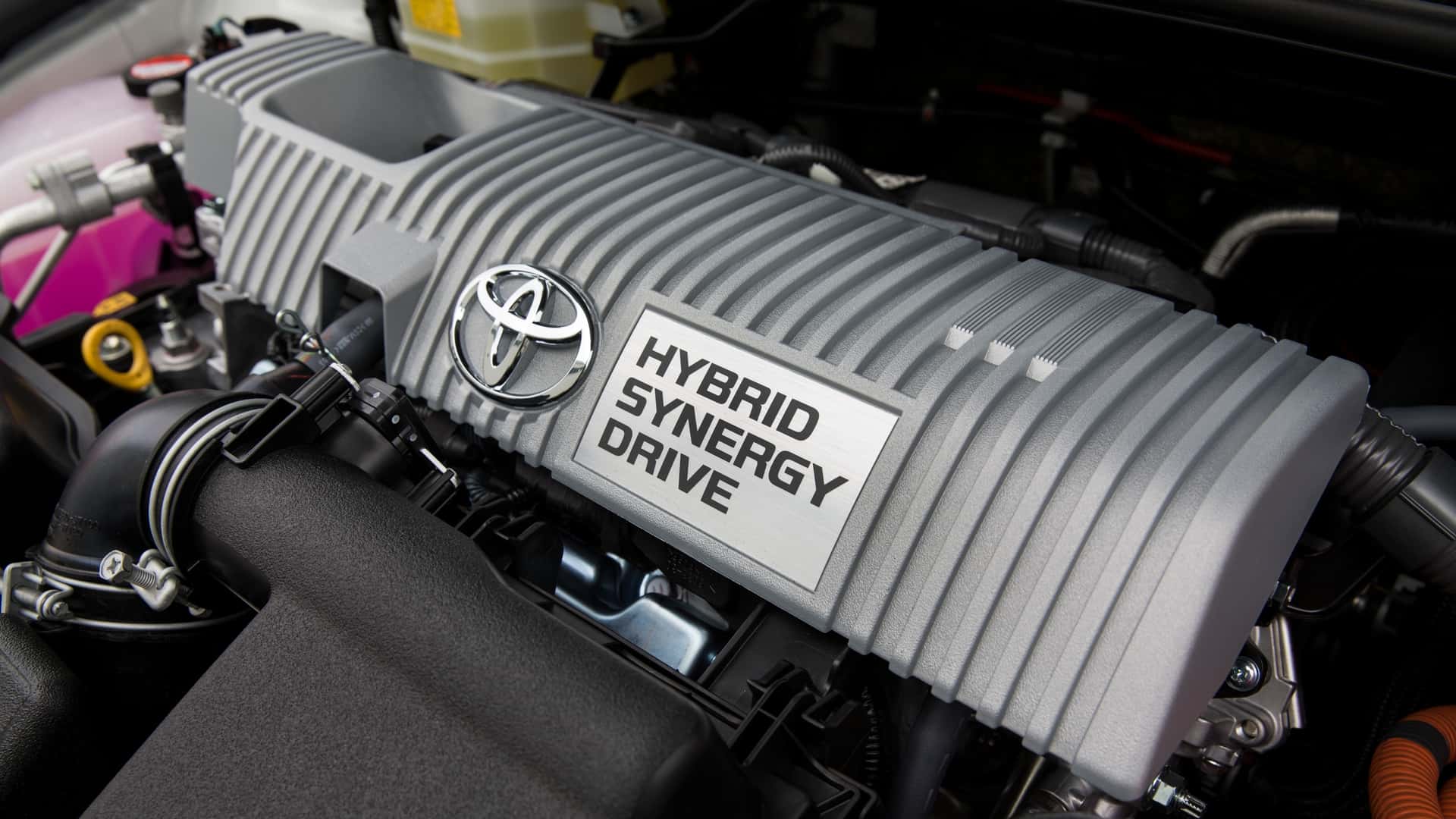
Toyota Motor Corporation is poised to introduce a new era of hybrid technology, announcing the imminent rollout of its next-generation hybrid batteries. These advanced power units, slated for market introduction next year, promise to deliver enhanced performance while simultaneously reducing production costs, marking a significant step in the automotive giant’s electrification strategy.
Key Takeaways (TL;DR)
- Toyota will launch next-generation hybrid batteries in 2027, promising improved performance and lower costs.
- The automaker is converting existing production lines in Japan to manufacture these advanced batteries for approximately 600,000 vehicles.
- Toyota anticipates exceeding 5 million global hybrid sales for the first time by the end of 2026, driven by strong market demand.
- The company is actively developing longer-range lithium-ion batteries for Battery Electric Vehicles (BEVs), targeting over 500 miles (EPA standard) by 2027.
- Groundbreaking solid-state battery technology, capable of rapid charging, is also under development for release between 2027 and 2028.
- Toyota acknowledges the need to enhance BEV competitiveness, particularly against emerging models from China, and plans collaborative efforts.
Advancing Hybrid Battery Technology
The strategic announcement, made during Toyota’s recent earnings call, underlines the company’s sustained commitment to hybrid powertrains as a crucial bridge towards comprehensive electrification. The automaker revealed plans to convert existing battery production lines across Japan, allocating sufficient capacity to support approximately 600,000 vehicles annually. This move is a clear indicator of Toyota’s intent to scale up its hybrid offerings with more sophisticated and economically viable solutions.

From NiMH to Lithium-ion
Historically, Toyota’s robust hybrid lineup has largely depended on nickel-metal hydride (NiMH) batteries, renowned for their exceptional reliability and longevity. However, the rapidly evolving landscape of battery technology has seen a gradual shift towards lithium-ion (Li-ion) packs in more contemporary models, such as the sixth-generation RAV4. Lithium-ion batteries offer superior energy density, lighter weight, and improved power output, making them increasingly suitable for diverse mass-market automotive applications.
While the precise chemical composition of the new generation hybrid battery remains undisclosed by Toyota, the focus is unequivocally on delivering a significant leap forward. This could involve further refinements to existing lithium-ion technology or the exploration of entirely new chemistries designed to maximise efficiency, durability, and cost-effectiveness for the next wave of Toyota hybrid vehicles. The objective is to cement the appeal of hybrids for consumers seeking a balance between fuel efficiency and range anxiety.
Strategic Production Expansion
Takanori Azuma, Toyota’s chief accounting officer, affirmed the company’s proactive approach to meeting market demands. “We are expanding battery production capacity during 2027 and 2028, and we will continue our efforts to fully capture customer demand,” Azuma stated during the investor call. This expansion not only supports the introduction of the new hybrid battery technology but also reflects Toyota’s broader strategy to enhance its manufacturing capabilities across all electrified vehicle segments.

The planned conversion of production lines signifies a substantial investment in the future of hybrid cars. By optimising manufacturing processes and leveraging economies of scale, Toyota aims to make its advanced hybrid models more accessible and competitive, thereby driving wider adoption of sustainable mobility solutions globally. The commitment to increase capacity by 2027 and 2028 demonstrates a long-term vision for the continued relevance and growth of hybrid powertrains.
Surging Hybrid Sales Drive Electrified Growth
Despite a modest 3% decline in Toyota’s overall global sales—including Toyota and Lexus models—to approximately 5 million vehicles during the January-June period, marking the first downturn in two years, the company’s electrified vehicle lineup has exhibited exceptional vigour. This segment, encompassing hybrids, plug-in hybrids (PHEVs), battery-electric vehicles (BEVs), and fuel-cell vehicles, witnessed a robust 9.1% year-over-year increase, reaching 2.7 million units in the first half of 2026.
Global Market Dynamics
Within this impressive growth, hybrid vehicles have emerged as the predominant force, overwhelmingly driving Toyota’s electrification figures. The automaker sold roughly 2.3 million hybrid vehicles worldwide during the initial six months of the year, accounting for approximately 86% of its total electrified vehicle sales. This strong performance positions Toyota to achieve a significant milestone, as it now projects global hybrid sales to surpass 5 million units for the first time by the close of 2026.
The consistent demand for Toyota’s hybrid vehicles underscores their critical role in the current automotive market transition. These vehicles offer a compelling proposition for consumers seeking improved fuel economy and reduced emissions without the need for extensive charging infrastructure, making them an ideal choice for a wide range of global driving conditions.
Key Drivers of Hybrid Adoption
Several factors have converged to fuel this surge in hybrid adoption. Elevated global fuel prices, partly influenced by geopolitical events, have intensified consumer demand for more fuel-efficient vehicles. Concurrently, shifts in regulatory landscapes, such as the rollback of federal tax credits and evolving fuel economy norms in the United States—Toyota’s largest market—have somewhat tempered the immediate growth trajectory of pure Battery Electric Vehicles (BEVs), redirecting consumer interest towards hybrids.
Furthermore, Toyota’s proactive product strategy has significantly contributed to its hybrid success. The company recently reconfigured two of its best-selling models, the Camry and RAV4, to be available exclusively as hybrids. This strategic decision aligns with market trends and consumer preferences, ensuring that popular models offer the fuel efficiency and environmental benefits associated with hybrid technology, thereby expanding the reach of its electrified portfolio.
Pioneering Electric Vehicle Battery Innovations
Beyond its dominant hybrid segment, Toyota is also making substantial strides in the realm of Battery Electric Vehicles (BEVs). The company reported robust growth in worldwide BEV sales, with 193,000 units sold in the first half of the year, representing an impressive 135% year-over-year increase. This rapid expansion highlights Toyota’s accelerated push into the fully electric market, complementing its ongoing hybrid advancements.
High-Performance Lithium-ion for EVs
Toyota is actively developing next-generation batteries specifically for its BEV lineup. The automaker has previously indicated that new lithium-ion batteries, anticipated for introduction in 2027, are designed to deliver exceptional range. These future batteries are projected to offer up to 621 miles (1,000 kilometres) on the WLTP (Worldwide Harmonised Light Vehicle Test Procedure) cycle, which translates to an estimated range of over 500 miles under the stricter EPA (Environmental Protection Agency) standard. Such advancements are critical for alleviating range anxiety and enhancing the appeal of electric vehicles for long-distance travel.
The development of these high-performance lithium-ion batteries underscores Toyota’s commitment to competitive BEV offerings. By focusing on improving energy density and efficiency, the company aims to ensure its electric vehicle models meet and exceed evolving consumer expectations for range and daily usability, positioning itself strongly within the rapidly expanding global EV market.
The Promise of Solid-State Technology
Looking further into the future, Toyota is also at the forefront of solid-state battery development, a technology often regarded as the “holy grail” of electric vehicle power sources. These revolutionary batteries are envisioned to be capable of charging from 10% to 80% in under 10 minutes, drastically reducing charging times and making EVs almost as convenient as refuelling traditional petrol vehicles.
Solid-state batteries are anticipated to arrive between 2027 and 2028, contingent upon achieving critical production breakthroughs. Their potential benefits extend beyond rapid charging, including increased safety due to the absence of flammable liquid electrolytes, higher energy density, and a longer lifespan. Toyota’s concentrated efforts in this advanced battery technology highlight its long-term vision for leadership in the electric vehicle revolution.
Navigating the Competitive EV Landscape
Despite these promising developments, Toyota executives openly acknowledged the imperative for continuous improvement in its BEV offerings. The competitive landscape, particularly with cutting-edge models emerging from China, demands constant innovation and adaptation. This recognition reflects a pragmatic approach to the rapidly evolving global electric vehicle market.
“Going forward, we need to enhance the competitiveness of not only conventional vehicles but also BEVs,” Azuma emphasised. This statement signals Toyota’s strategic intent to bolster its BEV portfolio, ensuring its electric models remain at the forefront of performance, technology, and consumer value. The company understands that future success in the automotive industry will increasingly depend on its ability to innovate and compete effectively in the electric segment.
Toyota’s strategy for strengthening its competitiveness includes fostering close collaborations. “We intend to work closely with our local partners, including through joint development, to strengthen our competitiveness,” Azuma added. Such partnerships are crucial for leveraging diverse expertise, accelerating research and development, and optimising production efficiencies to bring advanced BEVs to market more rapidly and cost-effectively, particularly in key growth regions.
Toyota’s Dual Electrification Strategy
Toyota’s comprehensive strategy for the future of sustainable mobility is clearly multifaceted. The company is simultaneously enhancing its already successful hybrid lineup with next-generation battery technology that promises lower costs and better performance, while also aggressively pursuing groundbreaking advancements in Battery Electric Vehicle (BEV) batteries, including high-range lithium-ion and revolutionary solid-state chemistries.
This dual approach allows Toyota to address varied global market demands and consumer preferences, offering efficient and accessible hybrid solutions today, while laying robust foundations for a fully electric future. The commitment to innovation across both hybrid and BEV segments positions Toyota as a formidable player in the ongoing global transition towards cleaner and more sustainable transportation.
Frequently Asked Questions
What is the key announcement regarding Toyota’s hybrid batteries?
Toyota has announced it will begin rolling out next-generation hybrid batteries next year. These batteries are designed to offer better performance and come at a lower cost, signalling a significant upgrade to its already successful hybrid vehicle lineup.
How is Toyota expanding its battery production capacity?
Toyota plans to convert existing battery production lines in Japan. This conversion will create enough manufacturing capacity to produce the new hybrid batteries for approximately 600,000 vehicles, aligning with anticipated customer demand by 2027 and 2028.
What are Toyota’s hybrid sales projections for this year?
Toyota expects its global hybrid sales to exceed 5 million units for the first time by the end of 2026. This projection reflects the strong growth in hybrid vehicle adoption, which remains a primary driver of Toyota’s overall electrified vehicle sales.
What kind of batteries is Toyota developing for its Battery Electric Vehicles (BEVs)?
For its BEVs, Toyota is developing advanced lithium-ion batteries aiming for a range of up to 621 miles (WLTP) or over 500 miles (EPA standard) by 2027. Additionally, it is pioneering solid-state batteries with ultra-fast charging capabilities (10-80% in under 10 minutes), expected between 2027 and 2028.
Why is Toyota focusing on both hybrid and BEV battery technologies?
Toyota’s dual focus allows it to cater to diverse global market needs. Hybrids offer an immediate, accessible path to improved fuel efficiency, while simultaneous investment in BEV batteries, including solid-state technology, prepares the company for a future dominated by fully electric vehicles and long-term sustainable mobility.
How is Toyota addressing competition in the EV market?
Toyota acknowledges the need to enhance the competitiveness of its BEVs, particularly against rapidly advancing models from China. The company plans to address this by working closely with local partners and engaging in joint development initiatives to strengthen its electric vehicle offerings and market position.