
Key Takeaways:
- Toyota is set to introduce a new generation of high-voltage hybrid batteries starting next year, promising superior performance and reduced costs.
- The automaker is on track to achieve a significant milestone, expecting to sell over 5 million hybrid vehicles globally this year for the first time.
- Investment in battery production lines in Japan will expand capacity for approximately 600,000 vehicles, signaling a renewed focus on hybrid technology.
- Concurrently, Toyota is aggressively pursuing advancements in battery-electric vehicle (BEV) technology, including longer-range lithium-ion cells by 2027 and groundbreaking solid-state batteries slated for 2027-2028.
- This dual strategy underscores Toyota’s commitment to diversified powertrain solutions while addressing global market competitiveness, particularly against emerging EV players.
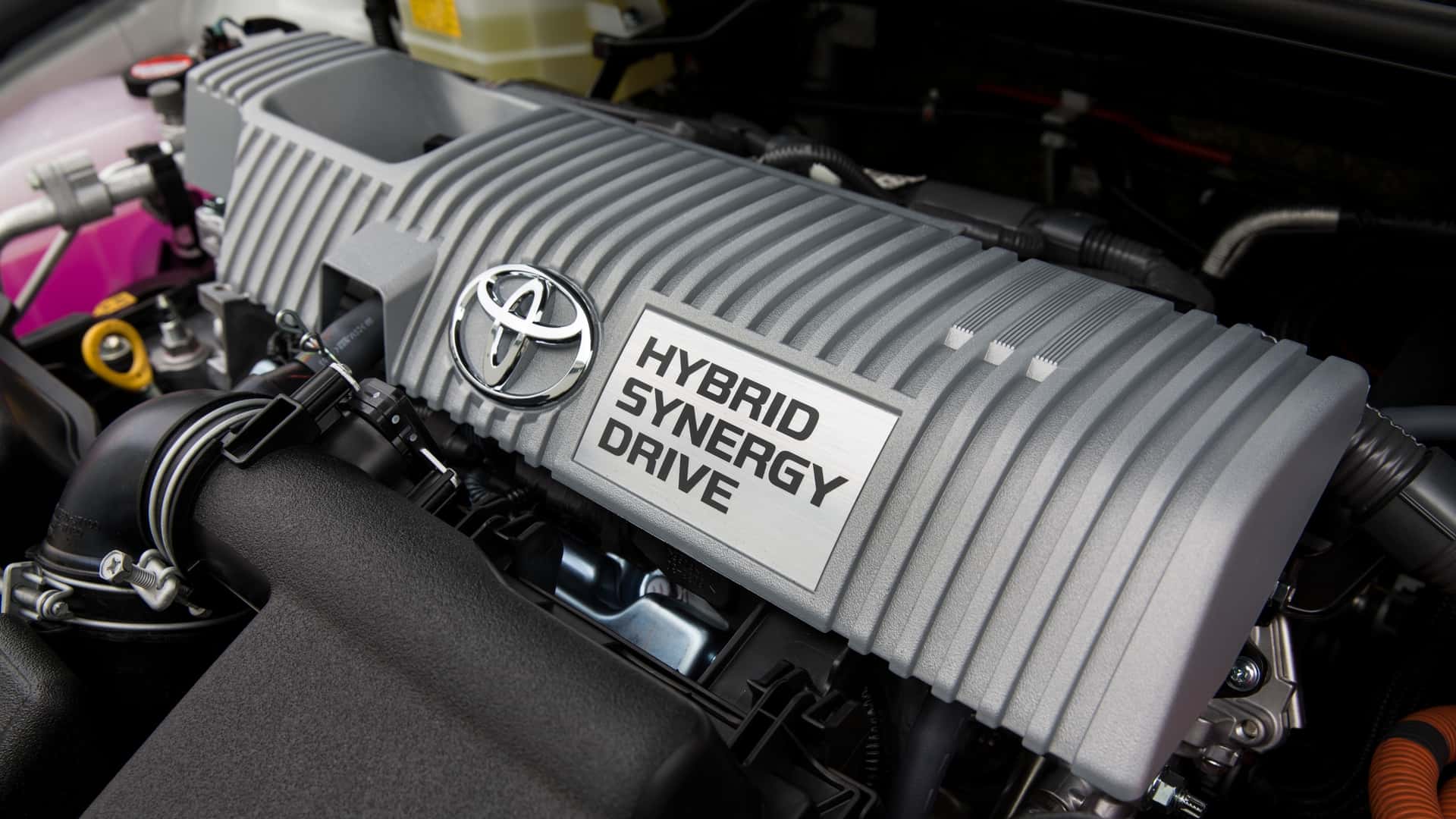
Toyota Motor Corporation, a global leader in automotive innovation, has announced a significant advancement in its electrification strategy, confirming the impending rollout of next-generation hybrid batteries. Set to debut next year, these advanced power units are poised to deliver enhanced performance characteristics while simultaneously driving down manufacturing costs, marking a pivotal moment in the company’s push for sustainable mobility.

The announcement, made during a recent earnings call, highlights Toyota’s continued commitment to hybrid technology, even as it accelerates its development in the battery-electric vehicle (BEV) segment. This strategic dual approach positions Toyota to cater to a broad spectrum of consumer demands and evolving global market conditions.
Strategic Investment in Advanced Hybrid Battery Production
Toyota plans to repurpose and upgrade existing battery production lines across its facilities in Japan. This conversion will significantly boost manufacturing capabilities, creating enough capacity to equip approximately 600,000 vehicles with the new high-voltage hybrid batteries.
This substantial investment underscores the automaker’s confidence in the enduring relevance and market demand for hybrid vehicles. It also signals a strategic maneuver to optimize production efficiency and leverage existing infrastructure for future growth.

Expanding Global Production and Meeting Demand
Addressing investors, Takanori Azuma, Toyota’s chief accounting officer, outlined the company’s aggressive expansion plans. “We are expanding battery production capacity during 2027 and 2028, and we will continue our efforts to fully capture customer demand,” Azuma stated, emphasizing the long-term vision behind these initiatives.
The expansion is a direct response to the escalating global demand for electrified vehicles, particularly hybrids, which continue to serve as a practical and accessible transition point for many consumers moving away from conventional internal combustion engine cars.
The Evolution of Toyota’s Hybrid Battery Chemistry
For decades, Toyota’s robust hybrid lineup predominantly relied on Nickel-Metal Hydride (NiMH) batteries, renowned for their proven reliability and longevity. However, the automotive industry has witnessed rapid advancements in battery technology, with lithium-ion (Li-ion) cells increasingly becoming the standard for modern electrified vehicles due to their higher energy density and improved power output.
Toyota has been progressively integrating lithium-ion packs into its newer hybrid models, including the widely popular sixth-generation RAV4. While the specific chemistry of Toyota’s next-generation hybrid batteries remains undisclosed, the focus on ‘better performance at a lower cost’ strongly suggests further refinement of lithium-ion technology or an entirely new, highly efficient cell design.
Driving Hybrid Sales to Unprecedented Levels
The emphasis on advanced hybrid battery technology aligns perfectly with Toyota’s impressive sales trajectory in the electrified vehicle segment. Despite a slight downturn in overall global sales—a 3% dip to approximately 5 million vehicles for Toyota and Lexus models during January-June—the electrified lineup has demonstrated remarkable resilience and growth.
Sales of hybrids, plug-in hybrids, battery-electric vehicles, and fuel-cell vehicles collectively surged by 9.1% year-over-year in the first half of 2026, reaching 2.7 million units. This robust performance was overwhelmingly driven by hybrid sales, which accounted for approximately 2.3 million units globally during this period, comprising about 86% of Toyota’s total electrified vehicle sales.
Forecasting a Historic Milestone
Building on this momentum, Toyota now projects that its global hybrid sales will exceed 5 million units by the end of 2026, marking a significant first for the company. This forecast underscores the critical role that hybrid vehicles play in Toyota’s global sales strategy and its commitment to meeting evolving consumer preferences.
Several factors are contributing to this accelerated adoption. Elevated global fuel prices, partly exacerbated by geopolitical events, have made fuel-efficient vehicles more attractive. In key markets like the U.S., which serves as Toyota’s largest, shifts in federal tax credits and fuel economy regulations have influenced consumer purchasing decisions, often favoring hybrids as a practical alternative to pure EVs.
Furthermore, Toyota’s strategic decision to offer popular models such as the Camry and RAV4 exclusively as hybrids in certain markets has undoubtedly bolstered their sales figures and reinforced the brand’s hybrid leadership.
Accelerating Battery-Electric Vehicle Innovation
While strengthening its hybrid segment, Toyota is simultaneously making aggressive strides in the battery-electric vehicle arena. The company reported a robust 135% year-over-year growth in worldwide BEV sales, with 193,000 units sold in the first half of this year.
This growth is complemented by ambitious plans for future BEV battery development. Toyota has previously announced its next-generation lithium-ion batteries, slated for introduction in 2027, which are projected to deliver an impressive range of up to 621 miles (1,000 kilometers) on the WLTP test cycle. This translates to an estimated range of just over 500 miles under the more stringent EPA standard, placing them among the industry’s leaders.
Pioneering Solid-State Battery Technology
Beyond enhanced lithium-ion, Toyota is actively developing solid-state batteries, a technology widely considered the holy grail of EV power sources. These revolutionary batteries promise ultra-fast charging capabilities, with the potential to reach 10% to 80% charge in under 10 minutes.
The automaker anticipates that solid-state batteries could arrive between 2027 and 2028, contingent upon achieving critical production breakthroughs. The successful commercialization of solid-state technology would represent a monumental leap forward in addressing range anxiety and charging times, two primary barriers to widespread EV adoption.
Addressing Global Competitiveness in the EV Sector
Toyota executives openly acknowledged the imperative to enhance the competitiveness of their electric vehicle offerings to keep pace with rapid innovations, particularly from manufacturers emerging from China. The Chinese market has seen an influx of advanced, competitively priced EV models, prompting global automakers to re-evaluate their strategies.
Takanori Azuma underscored this point, stating, “Going forward, we need to enhance the competitiveness of not only conventional vehicles but also BEVs.” This proactive stance highlights Toyota’s awareness of the dynamic global EV landscape and its commitment to maintaining a leading edge.
To this end, Toyota intends to foster closer collaborations with local partners, including through joint development initiatives. Such partnerships are crucial for leveraging regional expertise, adapting to specific market demands, and strengthening the overall competitiveness of its BEV portfolio on a global scale.
Outlook for Toyota’s Electrified Future
Toyota’s dual strategy—fortifying its hybrid dominance with next-generation hybrid batteries while aggressively pursuing breakthroughs in BEV technology—reflects a comprehensive and pragmatic approach to the future of automotive propulsion. By investing in both established and nascent electrified segments, the company aims to offer diverse, high-performance, and cost-effective solutions to consumers worldwide, ensuring its sustained leadership in a rapidly evolving industry.
Frequently Asked Questions (FAQ)
When will Toyota’s next-generation hybrid batteries be rolled out?
Toyota is scheduled to begin rolling out its next-generation high-voltage hybrid batteries starting next year. This initiative is part of the company’s broader strategy to enhance performance and reduce costs across its extensive hybrid lineup, reinforcing its commitment to diverse powertrain solutions.
How much production capacity will the new hybrid batteries add?
Toyota plans to convert existing battery production lines in Japan to build the new hybrid packs, creating enough capacity for approximately 600,000 vehicles. This expansion is designed to meet growing customer demand and strengthen the supply chain for its popular hybrid models globally.
What is Toyota’s sales target for hybrids this year?
Toyota anticipates selling more than 5 million hybrid vehicles globally for the first time by the end of 2026. This significant milestone underscores the continued strong market demand for hybrids and their crucial role in Toyota’s overall electrification strategy.
What is the range target for Toyota’s next-generation lithium-ion EV batteries?
Toyota’s new lithium-ion batteries, expected in 2027, are projected to deliver up to 621 miles (1,000 kilometers) of range on the WLTP test cycle, equivalent to over 500 miles under the stricter EPA standard. This represents a substantial improvement aimed at alleviating range anxiety for EV owners.
When are Toyota’s solid-state batteries expected to arrive?
Toyota is developing solid-state batteries that could charge from 10% to 80% in under 10 minutes. These advanced batteries are anticipated to arrive between 2027 and 2028, assuming the company achieves the necessary production breakthroughs, promising a revolutionary shift in EV charging capabilities.
Why is Toyota focusing on both hybrid and EV battery development?
Toyota’s dual focus on hybrid and EV battery development allows it to cater to diverse global market demands and regulatory environments. This strategy ensures the company remains competitive across various electrified vehicle segments, offering practical and high-performance options for different consumer needs while navigating the transition to a fully electric future.