
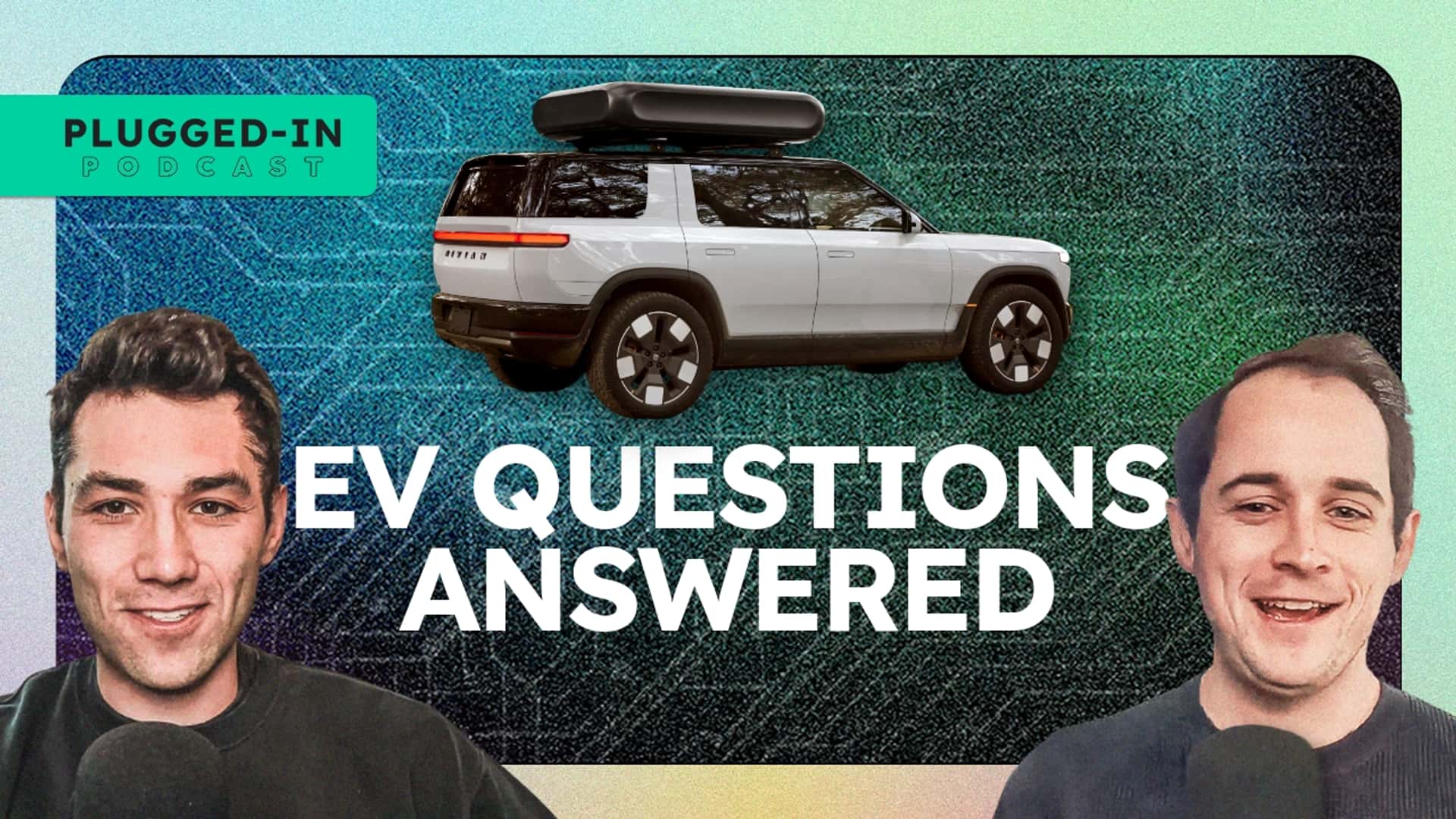
Key Takeaways: Determining the "best" electric vehicle is complex, balancing objective metrics with personal preference. While Tesla’s Model 3 and Model Y excel in software and reliability, expert analysis frequently highlights the Rivian R2 as a top contender for its blend of compact utility, advanced technology, and agile driving dynamics. The evolving EV landscape continues to introduce innovative models from Cadillac, Polestar, Volvo, and BMW, pushing the boundaries of electric vehicle performance and offering diverse options for every driver.
The quest to identify the "best EV" is a question that frequently arises among enthusiasts and prospective buyers alike, often posed to those deeply immersed in the electric car industry. While seemingly straightforward, the answer is steeped in nuance, balancing objective performance metrics with subjective preferences that define an exceptional driving experience. This ongoing discussion was recently the focus of an insightful episode of the Plugged-In Podcast, where experts delved into what truly sets a leading electric vehicle apart.

As noted on the podcast, "What’s the best EV you’ve tested?" is a natural first question for professionals covering the electric car industry. The challenge lies in distilling a wealth of data, road tests, and technological advancements into a singular, definitive choice. This article explores the intricate criteria, expert evaluations, and diverse top picks that shape the conversation around today’s most outstanding electric vehicles, offering a comprehensive look at electric vehicle performance.
Defining "Best": Subjectivity Meets Objective Metrics
Understanding what constitutes the "best" in the rapidly evolving electric vehicle market requires a multi-faceted approach. Factors such as range, charging speed, passenger and cargo space, technological sophistication, and overall driving dynamics all play crucial roles. However, personal inclinations—like a penchant for off-road adventures or a preference for compact urban agility—can significantly sway individual preferences.
Industry experts, including seasoned journalists and testers, continuously evaluate new models against a rigorous set of benchmarks. These include not only raw specifications but also the integration of software, the reliability of advanced driver-assistance systems, and the long-term ownership experience. The concept of an "objectively best" EV often converges on models that demonstrate a superior balance across these critical attributes, reflecting robust electric vehicle performance.

The Expert’s Top Personal Pick: The Rivian R2
For those who blend a passion for robust utility with cutting-edge electric mobility, the Rivian brand consistently emerges as a favorite, particularly for its adventurous spirit and innovative technology. The initial inclination for many experts often leans towards the Rivian R1S, an electric SUV celebrated for its spaciousness and capability.
The R1S appeals greatly to individuals who appreciate trucks and envision their EVs for extensive off-pavement excursions. A key advantage highlighted is the vehicle’s capacity to serve as a portable, climate-controlled sleeping space, a significant benefit for overlanding or exploring remote public lands, especially in challenging environments like deserts. The ability to run climate control discreetly, combined with the comfort of sleeping inside an SUV rather than a ground or roof tent, makes the R1S a compelling choice for outdoor enthusiasts.
However, further refinement of this preference points towards the forthcoming Rivian R2. Despite the R1T’s aesthetic appeal and dynamic prowess, the R1S, with its complex hydraulic suspension and substantial 7,000-pound curb weight, can be perceived as overly complicated and oversized for some. The R2 is poised to capture the essence of what makes the R1 series exceptional, but in a more streamlined and manageable package, enhancing overall electric vehicle performance in a practical sense.
The Rivian R2 promises to deliver everything enthusiasts love about the R1, but within a more compact and simpler architecture. Specific features such as the innovative drop-down rear glass, coupled with more agile driving dynamics and an arguably superior ride quality, position the R2 as a highly anticipated entry in the adventure EV segment. This design philosophy resonates with a desire for capability without unnecessary bulk, making the R2 a standout among potential EV best picks.

Leading the Charge: Tesla Model 3 and Model Y as Objective Frontrunners
When assessing the "best" EV from a broader, more objective standpoint, the Tesla Model Y and Model 3 frequently emerge as benchmark vehicles. Tesla’s enduring strengths lie in its advanced software ecosystem, which remains a significant differentiator in the electric vehicle market. Despite ongoing debates surrounding the rollout and promotion of features like "Full Self-Driving (Supervised)," the underlying software platform is widely regarded as superior to many competitors, including Rivian’s current offerings.
Beyond software, Tesla has historically demonstrated robust reliability, and its vehicles have achieved unparalleled popularity, dominating sales figures in several markets. This market penetration and user adoption underscore Tesla’s effectiveness in delivering a compelling package of performance, technology, and practicality. The extensive Supercharger network also continues to be a crucial advantage, ensuring convenient long-distance travel and contributing significantly to the overall user experience.
These factors contribute to a perception that, for many mainstream consumers, the Model 3 and Model Y represent the most well-rounded and accessible options, especially when considering the totality of the EV ownership experience, including charging infrastructure and resale value. Their consistent electric vehicle performance across various driving conditions solidifies their position among the top EV best picks.
A Diverse Landscape of Excellence: Other Noteworthy Electric Vehicles
The electric vehicle market is characterized by relentless innovation, with numerous automakers consistently pushing the boundaries of design, engineering, and electric vehicle performance. Beyond the dominant players, several models have garnered significant praise for their unique attributes and exceptional driving experiences.
The Cadillac Vistiq, for instance, has been highlighted for its overall appeal, making a strong impression during testing. Similarly, the Polestar 3 has received accolades for its impressive driving dynamics, offering a sporty and engaging experience for those who prioritize handling and performance. Volvo’s commitment to electrification is evident in models like the EX60, which has been lauded as "one of the most pleasant daily drivers in automotive history," emphasizing comfort, safety, and Scandinavian design.
BMW has also established a strong presence in the premium EV segment. The BMW iX, though no longer new to the market, was highly regarded for its luxurious interior and sophisticated ride quality. Anticipation is high for the new iX3, which experts suspect will "catapult itself to the top of my list" once fully tested, signaling BMW’s continued advancements in electric vehicle performance and luxury. These vehicles collectively demonstrate the breadth of options available, catering to diverse consumer needs and preferences, and enriching the landscape of EV best picks.
The Evolving Horizon of Electric Mobility
The narrative surrounding the "best EV" is dynamic and ever-changing, a testament to the rapid pace of development within the automotive industry. What holds the top spot today may be superseded by an even more innovative model tomorrow. This constant evolution means that consumers benefit from continuous improvements in battery technology, charging speeds, range, and advanced driver-assistance systems.
The increasing competition among automakers is driving both technological advancement and diversification of offerings. This ensures that whether a buyer prioritizes raw power, luxurious comfort, rugged off-road capability, or everyday practicality, there is an electric vehicle designed to meet those specific needs. The ongoing refinement of electric vehicle performance and the expanding array of EV best picks signify a bright future for sustainable transportation.
In conclusion, while personal preferences will always play a significant role in choosing an electric vehicle, objective analysis points to a competitive field. The Rivian R2 stands out for adventurous drivers seeking a refined yet capable EV, while Tesla’s Model 3 and Model Y continue to set benchmarks for mainstream appeal and technological integration. The broader market, enriched by formidable contenders from Cadillac, Polestar, Volvo, and BMW, assures that exciting options are abundant and continue to grow year after year.
Frequently Asked Questions About Electric Vehicles
What factors should I consider when choosing an EV?
When selecting an electric vehicle, prioritize factors like battery range suitable for your daily commute and travel habits, charging infrastructure availability in your area, and the type of driving experience you prefer. Consider cargo space, passenger capacity, and advanced technological features like infotainment and driver-assistance systems. These elements significantly impact overall electric vehicle performance and satisfaction.
Are electric vehicles reliable?
Modern electric vehicles are generally reliable, often having fewer moving parts than internal combustion engine cars, which can lead to lower maintenance requirements. Brands like Tesla have historically shown strong reliability ratings. However, like any complex technology, specific model reliability can vary, so consulting recent consumer reports and ownership reviews is advisable for current EV best picks.
What is the range of a typical electric vehicle?
The range of electric vehicles varies widely depending on the model, battery size, and driving conditions. Many popular EVs today offer ranges between 250 to over 400 miles on a single charge (EPA estimated). High-performance or larger battery pack models can exceed these figures, providing ample range for most long-distance journeys. Always check specific model specifications for precise electric vehicle performance metrics.
How long does it take to charge an EV?
Charging times for electric vehicles depend on the charger type and the vehicle’s battery capacity. Level 2 (240V) home chargers typically take several hours for a full charge. DC fast chargers, found at public stations, can provide 80% charge in 20-40 minutes for many models, making them ideal for long trips. This rapid charging capability is a critical aspect of modern electric vehicle performance.
Are electric vehicles more expensive than gasoline cars?
While the initial purchase price of some EVs can be higher than comparable gasoline cars, the total cost of ownership often evens out or becomes lower over time. This is due to lower fuel costs (electricity vs. gasoline), reduced maintenance expenses, and available government incentives or tax credits. Evaluating long-term savings is crucial for understanding the value proposition of EV best picks.
What is unique about Rivian EVs for adventure?
Rivian electric vehicles like the R1S and R2 are designed with a strong emphasis on off-road capability and utility. They often feature advanced air suspension, robust four-wheel-drive systems, and ample ground clearance. Their design allows for practical use in outdoor adventures, including serving as climate-controlled sleeping spaces, making them distinct choices for enthusiasts seeking rugged electric vehicle performance.
How do Tesla’s software features compare to other EVs?
Tesla’s software system is widely recognized for its intuitive interface, over-the-air updates, and advanced driver-assistance systems, including features like "Full Self-Driving (Supervised)." While competitors are rapidly advancing, Tesla’s integrated software experience often offers a seamless and feature-rich environment, providing a significant edge in digital electric vehicle performance and user interaction.
What role do "driving dynamics" play in an EV?
Driving dynamics refer to how a car handles, accelerates, brakes, and rides. In EVs, this often translates to instant torque, smooth acceleration, and a low center of gravity due to battery placement, which can enhance handling. Models like the Polestar 3 are praised for their superior driving dynamics, offering a responsive and engaging experience that contributes significantly to electric vehicle performance and driver satisfaction.