
Key Takeaways / Summary (TL;DR)
- Norwegian anode producer Vianode and German battery recycler cylib have signed an MoU to develop anode materials using recycled graphite.
- cylib will supply high-quality graphite concentrate recovered through its OLiC water-based process, boasting over 90% recovery and 80% lower carbon footprint than primary extraction.
- This collaboration aims to significantly reduce the carbon footprint of Vianode’s anode graphite, aligning with its 2030 goal of 1.0 kg CO₂e per kg of graphite.
- The partnership is a strategic move to bolster European material independence for electric vehicle batteries, reducing reliance on graphite imports.
- Successful pilot testing could lead to a commercial supply agreement, accelerating the circular economy for battery raw materials in Europe.
Oslo, Norway & Aachen, Germany – In a significant move towards strengthening Europe’s electric vehicle (EV) battery supply chain and fostering a circular economy, Norwegian anode graphite producer Vianode and German battery recycler cylib have formally initiated a collaboration. The two companies have signed a Memorandum of Understanding (MoU) to jointly explore the integration of recycled graphite concentrate into Vianode’s advanced next-generation anode materials.

This strategic partnership underscores a shared commitment to sustainable battery production and reducing reliance on virgin raw materials. Should the pilot testing phases prove successful, both entities have expressed a clear intention to proceed with negotiations for a commercial supply agreement, marking a pivotal step in the European battery manufacturing landscape.
Pioneering Recycled Graphite Integration
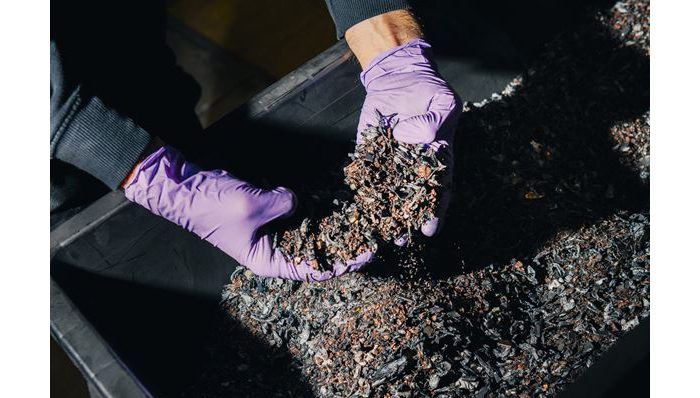
Under the terms of the newly signed MoU, cylib is poised to supply high-quality graphite concentrate. This concentrate is meticulously recovered through its proprietary OLiC (Optimized Lithium and Graphite Recovery) process, an innovative water-based technology designed for maximum efficiency and environmental responsibility.
The OLiC process distinguishes itself by achieving an impressive recovery rate of more than 90% for critical battery components. These include lithium, graphite, nickel, cobalt, and manganese, extracted from diverse sources such as spent battery packs, black mass, and production scrap.

Notably, cylib asserts that its OLiC technology boasts an 80% lower carbon footprint compared to traditional primary extraction methods. This significant reduction in environmental impact positions the recycled material as a cornerstone for greener battery production. Vianode, in turn, will leverage this recycled concentrate to develop new anode formulations and conduct rigorous pilot-scale performance evaluations.
Advancing Vianode’s Sustainability Goals
For Vianode, a leading producer of sustainable battery materials, this collaboration with cylib represents a crucial stride towards its ambitious environmental targets. The company has publicly declared a goal of achieving a carbon footprint of 1.0 kg CO₂e per kilogram of graphite by the year 2030.
Vianode’s existing synthetic anode graphite production already stands out for its low carbon intensity. Produced at its Via ONE facility in Norway and the Via TWO plant currently under construction in St. Thomas, Canada, its materials are manufactured with approximately 90% less CO₂ emissions than conventional methods.
Integrating recycled graphite concentrate from cylib is expected to further significantly reduce the carbon load associated with Vianode’s anode materials. This move is aligned with the broader industry trend towards circularity and reduced environmental impact throughout the battery value chain.
Boosting European Material Independence
The global supply chain for graphite anode material is overwhelmingly dominated by sources from China. This concentration poses significant geopolitical and economic challenges for regions like Europe, which are rapidly expanding their EV manufacturing capabilities and battery gigafactories.
Both Vianode and cylib have explicitly positioned their collaboration as a strategic initiative to bolster European material independence. The partnership aims to reduce the continent’s reliance on virgin raw materials, particularly those from distant or geopolitically sensitive regions, thereby enhancing the resilience and sustainability of the European battery supply chain.
cylib, which originated as a spinout from RWTH Aachen University in 2022, is a relatively young but rapidly growing player in the battery recycling sector. The company’s operations are designed to process multiple battery chemistries and are engineered for scalability to industrial volumes, indicating its potential to make a substantial impact on the availability of recycled materials.
A Competitive Advantage for Europe
The partnership highlights a burgeoning trend where sustainability and circularity are not merely environmental imperatives but also sources of competitive advantage. By developing robust internal recycling capabilities and integrating recycled materials into high-value components like anode graphite, Europe aims to create a more secure and environmentally friendly industrial ecosystem.
Dr. Lilian Schwich, Co-CEO and co-founder of cylib, underscored this sentiment, stating: “Circular doesn’t mean compromise. It means competitive advantage for Europe.” Her statement encapsulates the strategic vision behind such collaborations: that sustainable practices can simultaneously drive economic strength and technological leadership.
This collaboration between Vianode and cylib serves as a blueprint for how European companies are innovating to address critical challenges in the EV transition. By focusing on advanced recycling and sustainable material integration, they are not only working towards ambitious carbon reduction targets but also building a more resilient and self-sufficient battery industry within the continent.
The successful development and commercialization of recycled graphite in anode materials could significantly alter the dynamics of the battery raw material market, paving the way for a truly circular economy for electric vehicles across Europe and beyond. The pilot testing phase will be closely watched by industry stakeholders as a critical indicator of future possibilities.
FAQs on Vianode and cylib Collaboration
What is the primary goal of the Vianode and cylib partnership?
The main objective is to explore and integrate high-quality recycled graphite concentrate from cylib’s innovative OLiC process into Vianode’s next-generation anode materials for electric vehicle batteries. This aims to reduce the carbon footprint of anode production and enhance Europe’s material independence.
What is cylib’s OLiC process and why is it significant?
OLiC (Optimized Lithium and Graphite Recovery) is a water-based technology developed by cylib for recovering over 90% of critical materials like lithium, graphite, nickel, cobalt, and manganese from battery waste. Its significance lies in achieving an 80% lower carbon footprint compared to primary extraction methods, promoting sustainable recycling.
How does this collaboration contribute to Vianode’s sustainability targets?
Vianode aims for a carbon footprint of 1.0 kg CO₂e per kg of graphite by 2030. Its current methods already reduce CO₂ by 90% compared to conventional processes. Integrating cylib’s recycled graphite is expected to further decrease the carbon load, moving Vianode closer to its ambitious environmental goals.
What role does this partnership play in European material independence?
With China dominating graphite anode material supply, this collaboration is strategically vital for Europe. By developing local sources of recycled graphite, Vianode and cylib are actively working to reduce Europe’s reliance on imported virgin raw materials, bolstering regional supply chain security for EV battery production.
What are the potential next steps if pilot testing is successful?
If the pilot testing of anode formulations incorporating recycled graphite proves successful, Vianode and cylib intend to negotiate a commercial supply agreement. This would signify a crucial step towards industrial-scale integration of recycled materials into European battery manufacturing, driving the circular economy forward.