
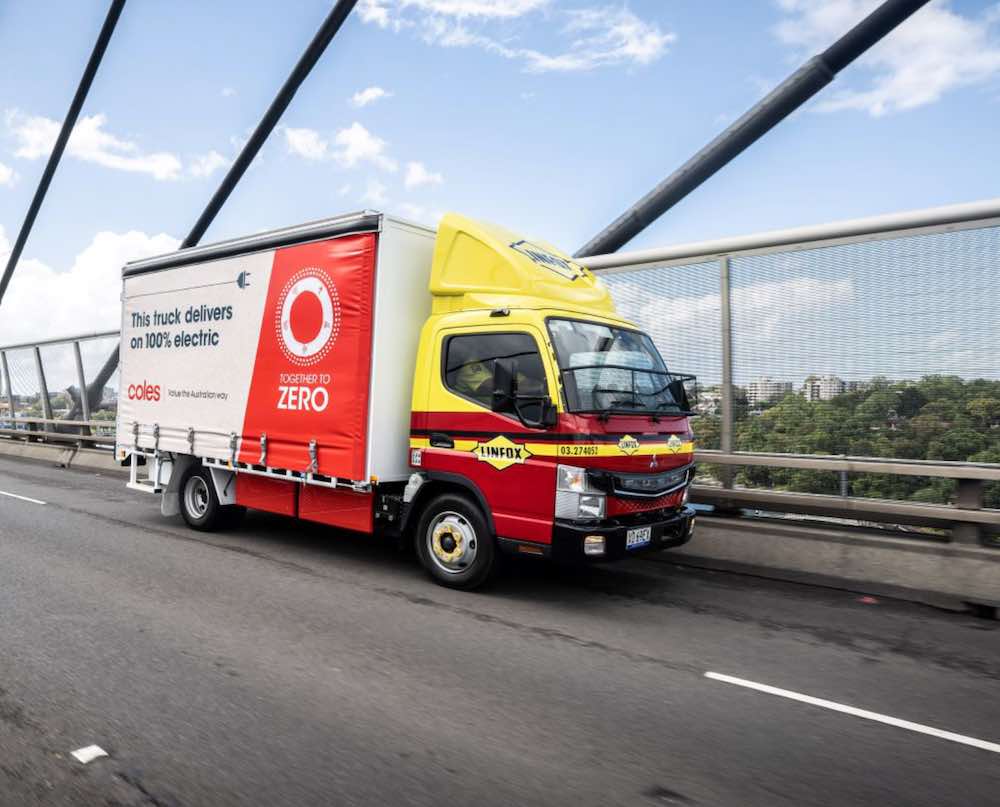
Key Takeaways (TL;DR):
- The Victorian Allan Labor government has officially joined the global ‘Drive to Zero’ initiative.
- This commitment aims to achieve 100 per cent zero-emission new truck and bus sales by 2040, with an interim target of 30 per cent by 2030.
- The initiative, spearheaded by clean transportation accelerator Calstart, unites national and subnational governments, manufacturers, and industry stakeholders worldwide.
- Victoria’s endorsement highlights a strategic move to decarbonise its freight sector, align with global climate goals, and enhance fuel resilience amidst rapidly increasing freight demand.
- The commitment places Victoria alongside 43 countries and 295 subnational entities, including the Australian Capital Territory (ACT), in a collective effort towards sustainable transport.
Victoria Pledges to Decarbonise Freight Transport with Global Alliance
In a significant step towards a sustainable future, the Victorian Allan Labor government has formally joined a leading global initiative dedicated to achieving 100 per cent zero-emission new truck and bus sales by 2040. This pivotal commitment underscores Victoria’s resolve to tackle climate change, reduce transport emissions, and modernise its vital freight sector.

The state’s endorsement of the ‘Drive to Zero’ program positions Victoria alongside an international coalition of governments, industry leaders, and financial institutions. This collaborative effort aims to accelerate the transition to clean commercial vehicles, a critical component in mitigating the environmental impact of global supply chains.
Understanding the Drive to Zero Initiative and Calstart’s Role
At the heart of this global movement is the ‘Drive to Zero’ program, an initiative spearheaded by Calstart, a renowned clean transportation accelerator. Established in 1992, Calstart has a long-standing track record of driving the decarbonisation of commercial vehicles through multifaceted strategies.
The organisation’s approach involves fostering global partnerships, advocating for progressive policy, developing innovative tools, and promoting groundbreaking technologies and business models. Its work is crucial in navigating the complexities of transitioning heavy-duty transport to zero-emission alternatives, providing a framework for collective action.
By signing the comprehensive 47-page Memorandum of Understanding (MoU), Victoria has aligned itself with a broad spectrum of stakeholders. These include national and subnational governments, prominent manufacturers, key finance institutions, large fleet owners and operators, and essential utility and infrastructure providers. All signatories are united by a common objective: to collaboratively decarbonise the freight sector and substantially reduce transport emissions.
Victoria’s Strategic Imperative and Ambitious Targets
Victoria’s commitment to the ‘Drive to Zero’ initiative is rooted in a clear understanding of future challenges and opportunities within the transport sector. Projections indicate that freight demand is set to more than double by 2050, necessitating immediate and decisive action to manage its environmental footprint effectively.
Speaking on the commitment, Horne, a Victorian government representative, articulated the urgency behind the state’s decision. “Freight demand will more than double by 2050 – so we must act now by shifting to rail and backing cleaner transport,” Horne stated, highlighting the dual strategy of modal shift and technological adoption.
The endorsement is not merely symbolic; it links Victoria directly to a concerted global effort aimed at significant emission reductions. Horne further emphasised the broader climate benefits, noting, “This endorsement links Victoria to a global push to cut emissions and halve them by 2030.” This demonstrates how the freight sector’s decarbonisation is integral to the state’s wider environmental objectives.
Under the terms of the MoU, Victoria, along with other signatories, is committed to enabling 100 per cent zero-emission new truck and bus sales by 2040. This long-term vision is supported by a crucial interim goal: achieving 30 per cent zero-emission vehicle sales by 2030. These targets provide a clear roadmap for manufacturers, operators, and policymakers alike.
A Growing Global Alliance for Zero-Emission Freight Vehicles
The ‘Drive to Zero’ MoU has garnered significant international support, underscoring the widespread recognition of the need for urgent action on transport emissions. Currently, 43 countries have endorsed the agreement, including key developed nations such as New Zealand, the United Kingdom, and the United States.
Beyond national governments, the initiative also boasts the support of 295 subnational entities, demonstrating the critical role local and regional administrations play in implementing global climate strategies. Notably, the government of the Australian Capital Territory (ACT) is among these subnational signatories, reinforcing a national alignment within Australia towards cleaner transportation.
Michael Berube, CEO of Calstart, highlighted the indispensable contribution of subnational governments, such as Victoria, in accelerating the adoption of zero-emission trucks and buses. “This endorsement connects Victoria to a global network and will help jointly reduce transport emissions, enhance fuel resilience, and support faster adoption of zero-emission vans, trucks and buses,” Berube affirmed.
This global network facilitates the sharing of best practices, policy innovations, and technological advancements, creating a powerful synergy that can overcome individual market barriers. The collective commitment fosters an environment ripe for innovation, investment, and expedited deployment of zero-emission freight vehicles and associated infrastructure.
The Path Forward for Zero-Emission Commercial Transport
Victoria’s commitment to the ‘Drive to Zero’ initiative signals a clear direction for its transport and logistics sectors. Achieving the ambitious targets for zero-emission new truck and bus sales will necessitate a multi-pronged approach encompassing policy adjustments, infrastructure development, and technological adoption.
The state’s participation in this global alliance provides access to international expertise and a collaborative platform to address common challenges in deploying zero-emission freight vehicles. This includes developing robust charging and refuelling infrastructure, incentivising fleet operators to transition, and fostering a local supply chain capable of supporting electric and hydrogen-powered commercial vehicles.
The shift to zero-emission commercial transport is not just an environmental imperative but also an economic opportunity. It promises enhanced fuel resilience by reducing reliance on volatile fossil fuel markets, fosters local innovation, and can create new jobs in green industries. Victoria’s proactive stance positions it as a leader in sustainable logistics within Australia and the broader Asia-Pacific region.
Conclusion: A Decisive Step Towards Cleaner Transport
Victoria’s decision to join the ‘Drive to Zero’ initiative marks a definitive commitment to transforming its freight transport sector. By targeting 100 per cent zero-emission new truck and bus sales by 2040, the state is taking a leadership role in global efforts to combat climate change and ensure a sustainable future for its economy and environment.
This move is a testament to the power of international collaboration and the critical importance of subnational governments in driving meaningful change. As freight demand continues to grow, Victoria’s strategic embrace of zero-emission freight vehicles will play a vital role in cutting emissions, enhancing fuel resilience, and establishing a cleaner, more efficient transport system for decades to come.
Frequently Asked Questions (FAQ)
What is the ‘Drive to Zero’ initiative?
The ‘Drive to Zero’ initiative is a global program led by Calstart, a clean transportation accelerator. It aims to accelerate the decarbonisation of commercial vehicles by uniting governments, manufacturers, and other stakeholders worldwide to commit to specific targets for zero-emission new truck and bus sales.
What are Victoria’s key targets under this commitment?
Victoria has committed to enabling 100 per cent zero-emission new truck and bus sales by 2040. An important interim goal is also set: to achieve 30 per cent zero-emission vehicle sales by 2030, marking significant milestones on the path to full decarbonisation.
Why is Victoria joining this global initiative important?
Victoria’s participation is crucial as freight demand is projected to more than double by 2050. This initiative allows the state to collectively reduce transport emissions, enhance fuel resilience, and integrate with a global network for faster adoption of zero-emission vans, trucks, and buses, aligning with broader climate goals.
Who else has endorsed the ‘Drive to Zero’ MoU?
The Memorandum of Understanding (MoU) has been endorsed by 43 countries, including New Zealand, the United Kingdom, and the United States. Additionally, 295 subnational entities, such as the government of the Australian Capital Territory (ACT), have also committed to the program, demonstrating widespread global support.
What is Calstart’s role in this initiative?
Calstart, a clean transportation accelerator founded in 1992, created the ‘Drive to Zero’ program. It works to accelerate the decarbonisation of commercial vehicles through global partnerships, policy advocacy, the development of innovative tools, and the promotion of groundbreaking technologies and business models.
How will this commitment impact Victoria’s freight sector?
This commitment will necessitate significant shifts in Victoria’s freight sector, promoting cleaner transport options like rail and backing zero-emission vehicles. It aims to substantially reduce transport emissions, improve air quality, and contribute to the state’s overall goal of cutting emissions and halving them by 2030.