
Key Takeaways
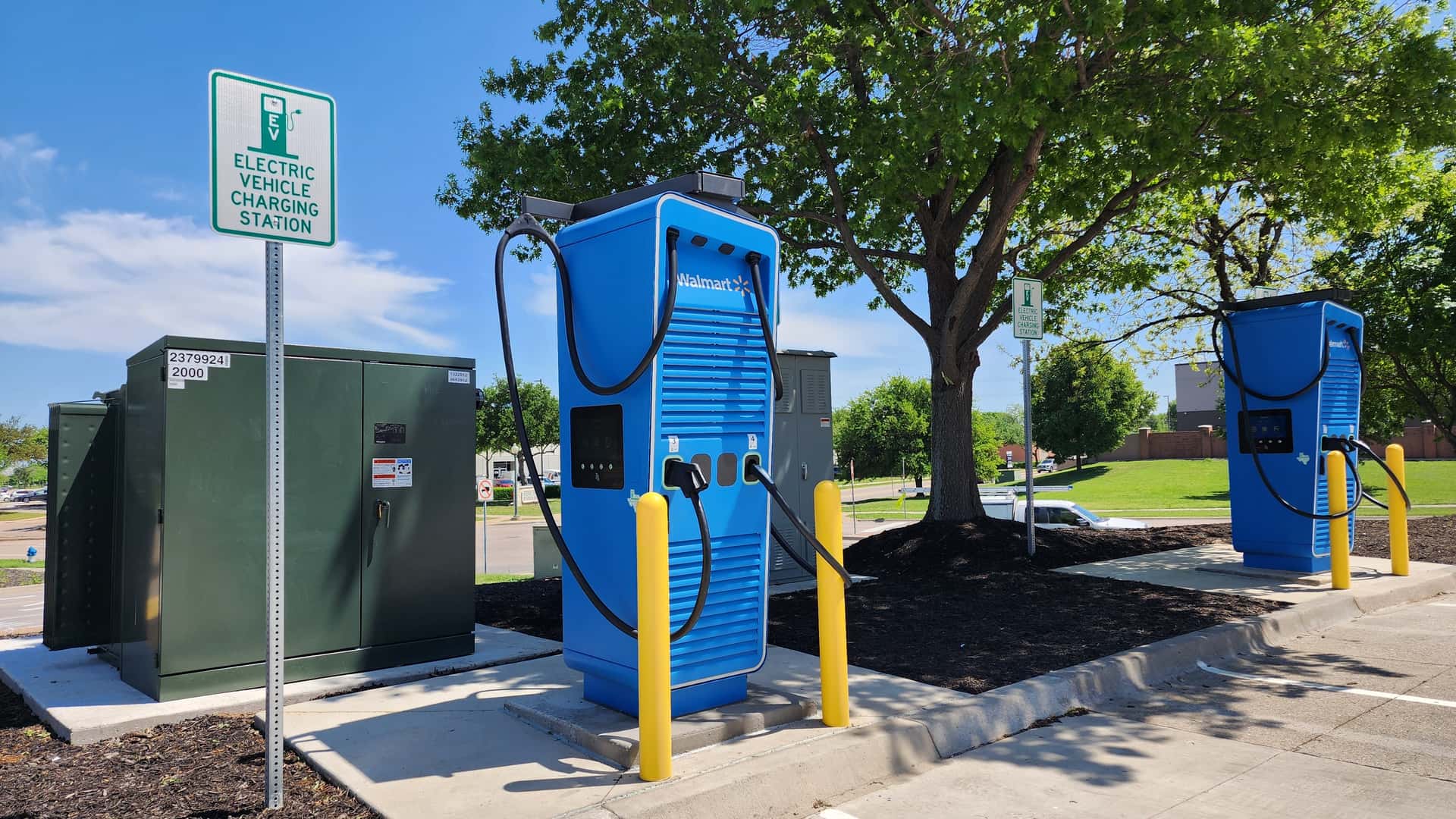
- Walmart is aggressively expanding its EV fast charging network, boosting capacity by 50% in the last month alone, now exceeding 300 high-powered ports across 50 US stores.
- The retail giant is implementing customer-centric improvements, including the addition of contactless payment terminals to address user feedback, moving beyond its initial app-only system.
- Walmart+ members benefit from a 10% discount when using the store’s app for charging, maintaining a transparent pricing model without idling fees, though some locations feature Time of Use (TOU) rates.
- The company is deploying 400 kW DC fast chargers, primarily from ABB or Alpitronic, equipped with both CCS1 and NACS connectors, with plans for thousands more installations nationwide.
Walmart Drives Forward with Aggressive EV Charging Network Expansion
In a significant push to bolster the nation’s electric vehicle (EV) infrastructure, Walmart, the world’s largest retailer, is rapidly expanding its high-speed EV charging network across the United States. The company’s latest efforts reveal a substantial increase in its DC fast charger installations, underscoring its commitment to supporting the growing number of electric vehicle owners.
This strategic initiative positions Walmart as a crucial player in the evolving landscape of EV charging, leveraging its extensive physical footprint to provide accessible and convenient charging solutions for consumers. The expansion is not merely about increasing numbers but also about refining the user experience, making charging sessions more streamlined and affordable for EV drivers.

Rapid Growth in Charging Capacity
The pace of Walmart’s EV charging network expansion has been remarkable. Over the past month, the retail giant has amplified its charging capacity by approximately 50%, a direct continuation of a similar 50% increase observed between February and April. This aggressive deployment highlights Walmart’s intent to quickly scale its charging infrastructure.
Currently, the company boasts over 300 individual charging ports distributed across 50 Walmart stores throughout the U.S. These advanced charging units are capable of delivering up to 400 kilowatts (kW) of power, ensuring rapid charging times for compatible electric vehicles. This marks a substantial rise from the 31 stations and 224 high-powered connectors reported just the previous month.
The deployment of such high-power chargers, offering up to 400 kW, places Walmart’s network among the most capable in the public charging domain. This level of power significantly reduces the time required for a charge, a critical factor for EV drivers seeking convenience during their shopping trips.

Enhancing Payment Flexibility for EV Drivers
Recognizing the diverse needs and preferences of electric vehicle owners, Walmart is also implementing key improvements to its payment systems. Initially, the stations relied exclusively on the Walmart app for managing and paying for charging sessions, which presented a barrier for some users hesitant to download another dedicated application.
Addressing direct customer feedback, Walmart has confirmed plans to integrate contactless payment terminals into its DC fast chargers. This move aims to enhance user convenience by offering alternative payment methods, such as tap-to-pay credit cards or mobile wallets, without requiring an app for every transaction. This commitment to user experience is vital for broader EV adoption.
Adam Happel, Walmart’s General Manager for Retail EV charging, highlighted this upcoming change during an interview. He stated, “the retailer will start adding contactless payment terminals to its DC fast chargers.” While currently, only one station is piloting this new payment solution, future installations are slated to include this functionality from the outset, streamlining the charging process for many drivers.
Transparent Pricing and Member Benefits
In addition to payment flexibility, Walmart is maintaining a transparent and consumer-friendly pricing structure for its EV charging services. A notable benefit for Walmart+ members is a 10% discount on charging sessions when initiated and paid for through the Walmart app, incentivizing membership and app usage.
The company has also clarified its stance on common charging concerns, confirming that it does not implement idling fees. This policy ensures that EV drivers are not penalized for leaving their vehicles connected after a charging session is complete, a feature appreciated by many users. Furthermore, Walmart assures customers that they will always have a clear view of the costs associated with their charging sessions, promoting trust and predictability.
While static pricing is largely maintained, some specific locations may feature Time of Use (TOU) rates, where the price of electricity varies based on the time of day. This dynamic pricing model encourages charging during off-peak hours, potentially offering cost savings for drivers while managing grid demand more effectively.
Considerations for Plug & Charge Technology
The highly anticipated Plug & Charge technology, which allows electric vehicles to simply plug in and begin charging without additional authentication via an app or credit card, is currently not supported by Walmart’s DC chargers. However, the company is actively considering its implementation, recognizing its potential for enhanced convenience.
The primary hurdle in adopting Plug & Charge lies in the interaction between the charger and the vehicle’s onboard systems. Integrating this feature while simultaneously allowing for specific discounts, particularly for Walmart+ members, presents a technical challenge. With Plug & Charge, the vehicle directly communicates with the charger, which could bypass the manual initiation via the smartphone app that currently enables automatic discount application for logged-in users.
Balancing advanced technological convenience with member loyalty programs remains a key area of evaluation for Walmart as it continues to refine its charging services. The company aims to ensure that any future integration of Plug & Charge aligns with its commitment to offering value to its loyal customer base.
Advanced Charger Specifications and Design Adjustments
Walmart’s EV charging network is exclusively utilizing 400 kW chargers, sourced from reputable manufacturers such as ABB or Alpitronic. These high-power units are equipped with both CCS1 and NACS (North American Charging Standard) connectors, catering to a wide array of electric vehicles, including those from Tesla and other manufacturers adopting the NACS standard.
An initial design consideration for the NACS cable placement on the right side of the charger proved less optimal, as most Tesla EVs — which predominantly use the NACS port — have their charging inlet located on the left rear of the vehicle. Based on this practical feedback, Walmart has made an operational adjustment. Going forward, new installations of Walmart’s EV chargers will feature the NACS cable on the left side, improving ergonomic compatibility for a significant portion of the EV fleet.
Long-Term Vision for EV Charging Infrastructure
Looking ahead, Walmart’s vision for its EV charging network extends far beyond the current installations. Adam Happel emphasized that the retail giant views this endeavor as a long-term commitment, not a short-term project. The ambition is to deploy thousands of chargers across as many Walmart and Sam’s Club locations as feasible throughout the U.S.
With over 5,200 stores operating stateside, the potential for expansion is immense. This strategic deployment leverages Walmart’s extensive real estate portfolio, providing convenient charging opportunities for millions of customers who already frequent its stores for their daily needs. The continuous growth of the Walmart EV charging network is set to play a pivotal role in accelerating electric vehicle adoption and supporting sustainable transportation across the country.
FAQ Section
What is the current size of Walmart’s EV charging network?
Walmart has significantly expanded its EV charging network, now featuring over 300 individual DC fast charging ports across 50 stores in the U.S. This represents a 50% increase in capacity over the last month alone, following a similar growth trajectory earlier in the year.
How fast are Walmart’s EV chargers?
Walmart is exclusively installing high-power DC fast chargers capable of delivering up to 400 kilowatts (kW). These units are supplied by manufacturers such as ABB or Alpitronic, ensuring quick charging times for compatible electric vehicles.
Can I use contactless payment at Walmart’s EV chargers?
Initially, charging required the Walmart app. However, in response to customer feedback, Walmart is beginning to add contactless payment terminals to its DC fast chargers, with one station currently in trial and future installations set to include this feature for added convenience.
Are there any discounts for charging at Walmart?
Yes, Walmart+ members can enjoy a 10% discount on their charging sessions when they use the Walmart app to initiate and pay for the service. This benefit is designed to reward loyalty and encourage app usage.
Does Walmart charge idling fees for EVs?
No, Walmart does not implement idling fees for electric vehicles parked at its charging stations. The company ensures that customers have a clear view of their charging costs, and there is no dynamic pricing based on station crowdedness, though some locations have Time of Use (TOU) rates.
What type of connectors do Walmart’s EV chargers have?
Walmart’s 400 kW DC fast chargers are equipped with both CCS1 and NACS (North American Charging Standard) connectors. This setup ensures compatibility with a broad range of electric vehicles, including those from Tesla and other manufacturers adopting the NACS standard.
What is Walmart’s long-term plan for EV charging?
Walmart is committed to a long-term strategy for its EV charging network. The company plans to install thousands of chargers across as many Walmart and Sam’s Club locations in the U.S. as possible, leveraging its extensive retail footprint to support wider EV adoption.