
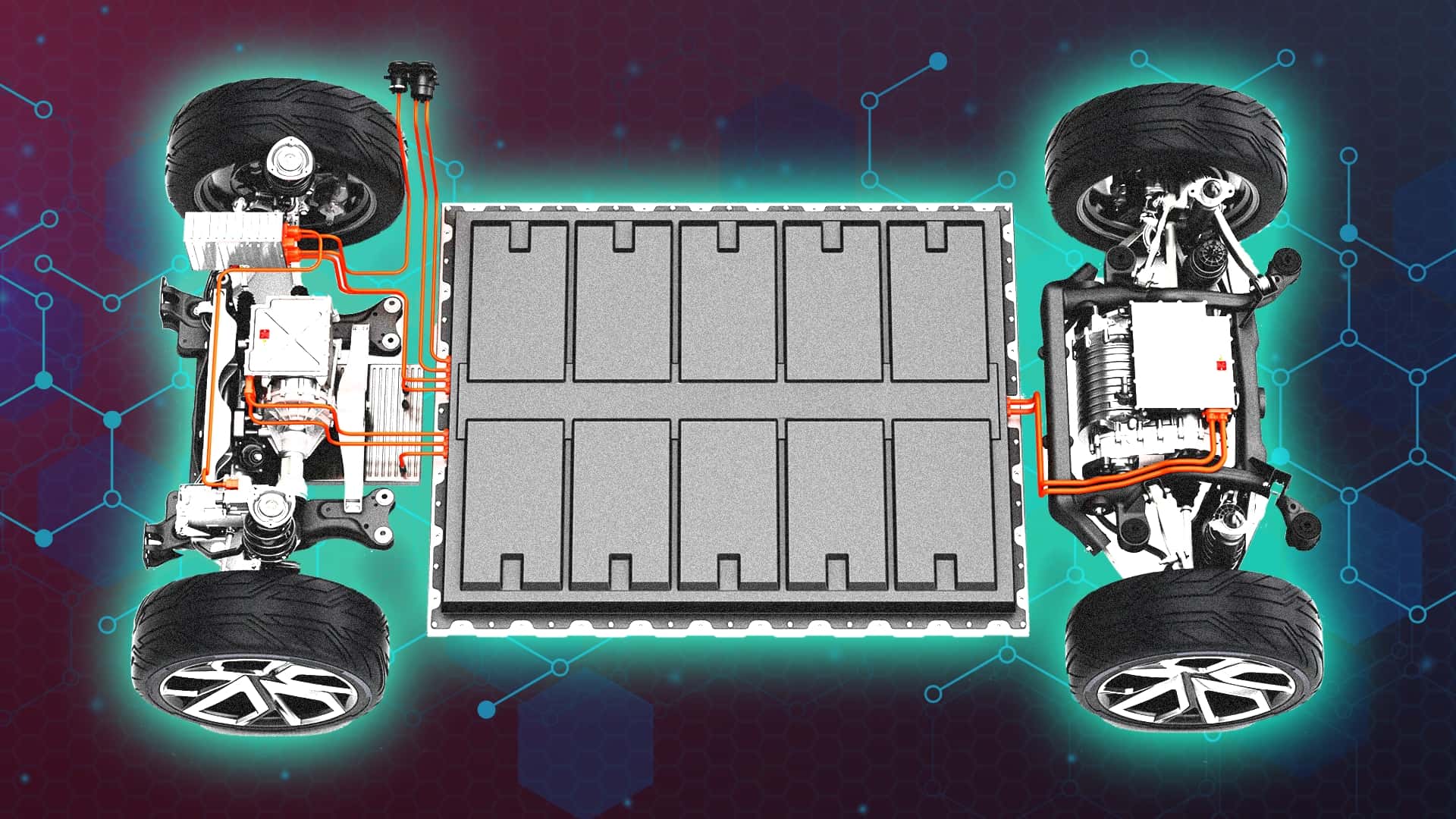
The often-overlooked aspect of electric vehicle (EV) ownership – battery recycling – is rapidly transforming from a niche sector into a high-growth industry. While not as glamorous as designing the next generation of electric cars, the process of repurposing materials from degraded EV batteries is becoming increasingly critical and lucrative. A new report from McKinsey & Company forecasts that global revenues across the entire EV battery recycling chain could surge to approximately $70 billion annually by 2040, a significant jump from an estimated $2.5 billion in the previous year.
The Looming Wave of Retired EV Batteries
The current limited scale of the EV battery recycling industry is primarily attributed to the relative youth of the electric car market. A substantial number of EVs sold in recent years are only now approaching the end of their typical lifecycles. However, this trend is set to reverse dramatically in the coming years.

Experts anticipate a significant influx of retired EV batteries entering the recycling stream after 2030. This surge will be driven by the large volume of electric vehicles launched in recent years that will reach their end-of-life. This impending wave of batteries is a key factor fueling the optimistic market projections.
The valuable materials contained within these spent batteries are so significant that some industry observers are already referring to the mineral-rich sludge generated during the recycling process as the new “black gold.” These materials can be effectively repurposed to manufacture brand-new battery packs, creating a circular economy for EV components.
Automakers and Innovators Drive Industry Expansion
Recognizing the immense potential, major automakers are actively expanding their recycling partnerships. Companies such as BMW, Volkswagen, and Renault are investing in and collaborating with recycling specialists to manage the growing volume of retired batteries.

Simultaneously, innovative technology firms are developing advanced solutions to industrialize the disassembly process. Companies like R3 Robotics are deploying sophisticated robotic systems designed to efficiently and competitively dismantle EV batteries, making the process more scalable and cost-effective.
Regulatory Drivers Bolster Recycling Efforts
A significant catalyst for the growth of the EV battery recycling sector is evolving regulatory landscapes worldwide. Until the economics of transforming old batteries into new ones rival or surpass the costs of mining and refining virgin materials, regulatory support is crucial for scaling the industry.
Both the European Union and China have implemented stringent regulations concerning battery material recycling. China has established mandatory take-back rules for batteries, ensuring a pathway for end-of-life products.
The EU’s Battery Regulation sets ambitious targets, including a requirement for 70% of lithium content in EV batteries to be recycled by 2030. Furthermore, the European Critical Raw Materials Act aims to bolster the EU’s self-sufficiency in battery materials. This act mandates that at least 25% of critical battery materials must originate from within the EU, with a significant portion of this requirement to be met through recycling processes.
US States Begin to Address Battery Recycling
While the United States currently lacks a federal mandate for EV battery recycling, individual states are beginning to take proactive measures. In a notable development, Colorado lawmakers recently introduced a bill that would hold automakers responsible for ensuring their EV batteries are properly recycled.
If enacted, this proposed legislation would come into effect in 2028. Such state-level initiatives signal a growing awareness and commitment to establishing robust battery recycling infrastructure in the US, mirroring trends seen in other major global markets.
The Vision of a Truly Circular Battery Economy
The convergence of increasing battery supply from retired EVs, a strategic focus on securing critical materials, and the economic advantages of circular manufacturing positions the battery recycling industry for substantial growth in the coming years.
The long-term implications are profound. According to a study published last year by the environmental think tank RMI, a mature and highly efficient EV battery recycling industry could potentially eliminate the global need to mine new battery minerals altogether after 2050.
This future vision highlights the critical role that EV battery recycling will play not only in the growth of the automotive sector but also in the broader sustainability goals of global resource management and environmental protection.