
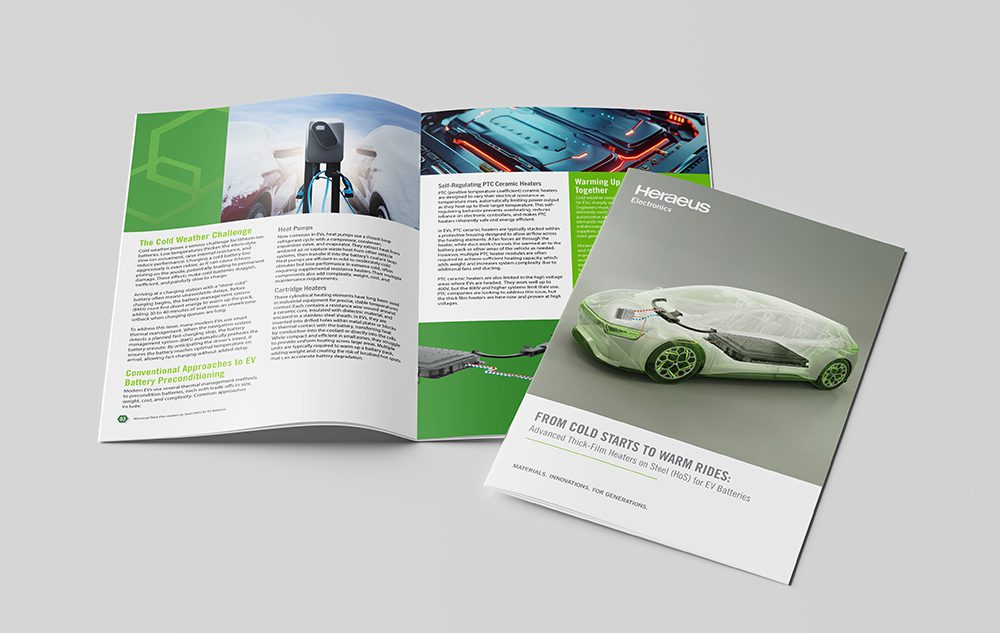
The electric vehicle (EV) sector is rapidly becoming a proving ground for innovative heating solutions. Beyond passenger comfort, advanced heating systems are crucial for the effective thermal management of EV batteries, ensuring they operate within optimal temperature ranges, especially in frigid conditions. This precise temperature control is vital for facilitating faster and more efficient charging, extending driving range, and enhancing overall battery lifespan. Consequently, EV battery heaters must be engineered to be compact, lightweight, reliable, energy-efficient, and robust enough to withstand demanding operational environments.
Thick-Film Heaters on Steel (HoS) Emerge as Next-Generation Technology
Thick-film heaters on steel (HoS) are positioning themselves as a leading next-generation solution for EV thermal management. This technology is increasingly being adopted, particularly in Asian markets, owing to its high power density, adaptability in design, and demonstrated resilience in challenging operational settings. HoS technology presents a significant advantage over conventional heating systems, including heat pumps, cartridge heaters, and positive temperature coefficient (PTC) ceramic heaters. It offers superior energy efficiency, a reduced physical footprint and weight, and a quicker thermal response time.

Addressing the Challenges of EV Thermal Management
Effective thermal management is a cornerstone of electric vehicle performance and reliability. Batteries, the heart of an EV, are highly sensitive to temperature fluctuations. Extreme cold can significantly degrade battery performance, leading to reduced power output and slower charging speeds. Conversely, overheating can accelerate battery degradation and pose safety risks.
Traditional approaches to battery heating have included various methods, each with its limitations. Heat pumps, while efficient for cabin heating, can be complex and energy-intensive when tasked with heating a large battery pack. Cartridge heaters offer direct heating but can be bulky and less energy-efficient. PTC ceramic heaters are known for their self-regulating capabilities but may lack the rapid heating response or power density required for certain EV applications.
The demand for more sophisticated heating solutions is driven by several market forces. As EV adoption accelerates globally, so does the need for vehicles that perform reliably across diverse climates. Consumers expect EVs to offer a driving experience comparable to or better than traditional internal combustion engine vehicles, regardless of the weather.

Furthermore, the drive towards faster charging infrastructure necessitates batteries that can accept charge quickly, which is only possible when they are at optimal temperatures. This requirement puts additional pressure on heating systems to deliver targeted and rapid warmth. The push for lighter and more compact vehicle designs also favors heating technologies that minimize weight and space requirements.
The Advantages of HoS Technology
Thick-film heaters on steel represent a significant leap forward in addressing these challenges. The core of this technology involves applying a resistive paste onto a steel substrate, which is then sintered at high temperatures. When an electric current passes through this resistive layer, it generates heat uniformly across the surface.
One of the primary benefits of HoS technology is its high power density. This means that a relatively small and lightweight heater can produce a substantial amount of heat, making it ideal for the space-constrained environments within an EV battery pack. The design flexibility offered by HoS allows manufacturers to create heaters in various shapes and sizes, custom-tailored to fit specific battery module configurations.
The use of steel as a substrate contributes to the durability and resilience of the heaters. Steel is robust and can withstand the vibrations and mechanical stresses common in automotive applications. The manufacturing process, which involves high-temperature sintering, ensures a strong bond between the resistive layer and the substrate, leading to a long service life.
Energy efficiency is another key advantage. HoS heaters convert electrical energy into heat with high efficiency, minimizing energy waste. This is critical for EVs, where maximizing range and minimizing auxiliary power consumption are paramount.
The fast thermal response of HoS heaters ensures that battery temperatures can be adjusted quickly. This capability is crucial for rapid charging scenarios and for bringing cold batteries up to optimal operating temperatures swiftly after a cold start, thereby reducing the initial impact of cold weather on driving performance.
Market Trends and Future Outlook
The global shift towards electrification is spurring significant investment and innovation in EV components. Thermal management systems, including battery heaters, are receiving increased attention from automotive manufacturers and Tier 1 suppliers. Companies like Heraeus, a global technology group, are at the forefront of developing and supplying advanced materials and components for these applications.
The increasing complexity of battery pack designs, coupled with evolving regulatory standards for safety and performance, further fuels the demand for advanced heating solutions. As battery technology itself evolves, with higher energy densities and new chemistries, the requirements for thermal management will also change, necessitating adaptable and high-performance heating systems.
Case Study: Enabling Progress in Electric Mobility
The whitepaper by Heraeus, a sponsor of this report, delves into a specific case study demonstrating the practical application and benefits of HoS technology in electric mobility. While the details of the case study are available in the full whitepaper, it is designed to showcase how HoS heaters have been successfully integrated into EV battery systems, leading to measurable improvements in performance and efficiency.
Such case studies are instrumental in illustrating the real-world advantages of advanced technologies like HoS. They provide concrete data and evidence of how these solutions overcome the limitations of older systems and contribute to the broader goals of enhancing EV adoption and performance. The focus remains on translating technological innovation into tangible benefits for vehicle manufacturers and end-users alike.
The adoption of advanced thick-film heaters on steel signifies a critical step in overcoming the thermal challenges faced by electric vehicles, particularly in regions with cold climates. By offering a potent combination of efficiency, performance, and durability, HoS technology is poised to play a pivotal role in the continued advancement of electric mobility.
For those seeking in-depth technical details and specific performance metrics, the full whitepaper from Heraeus provides comprehensive insights into this groundbreaking technology. [Whitepaper Download](dummy_link) is available for interested parties.