
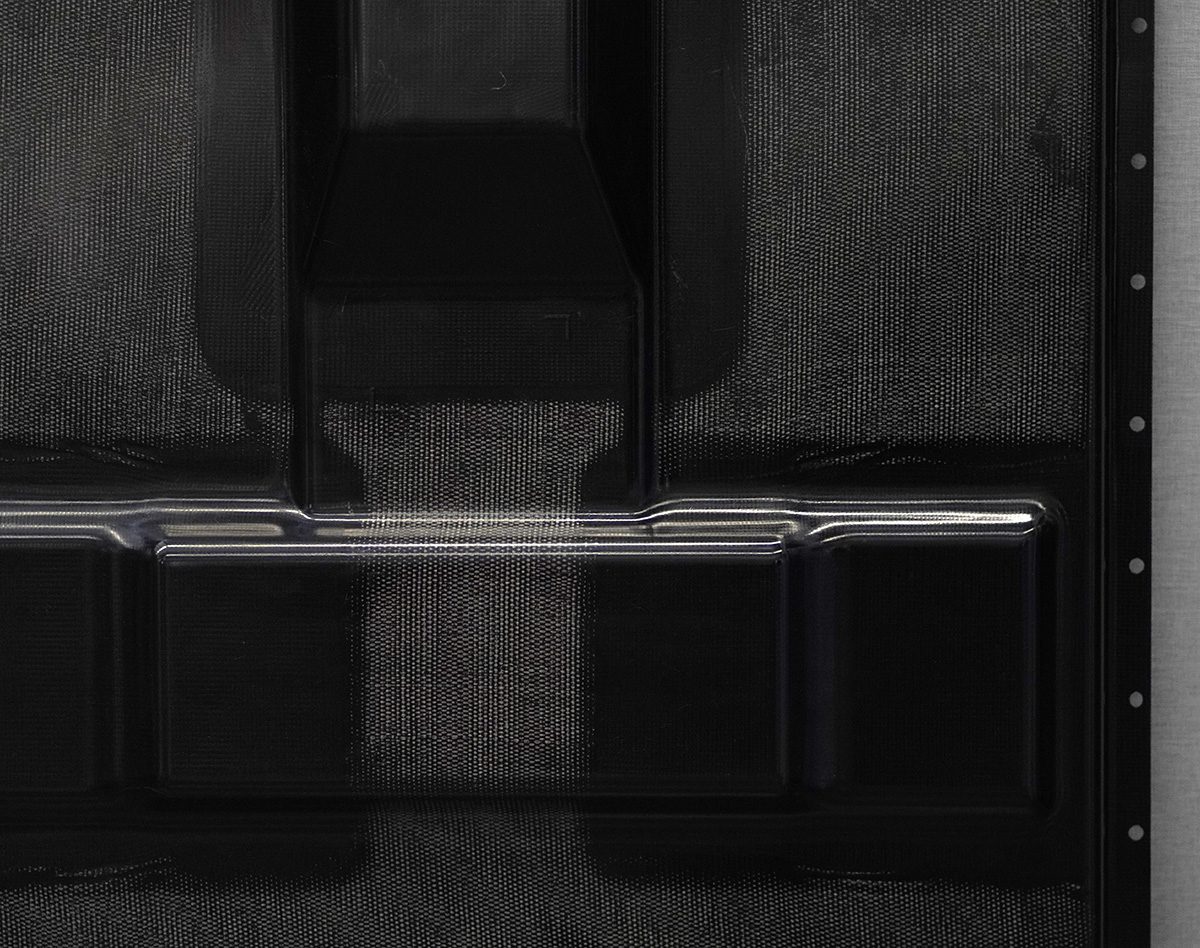
FibreCoat is set to debut a groundbreaking composite battery case concept for electric vehicles (EVs) at JEC World 2026 in Paris, scheduled from March 10-12. This innovative approach, developed in collaboration with composite manufacturer Coleitec and engineering consultancy Forward Engineering, integrates advanced functionalities directly into the material, promising significant advancements in EV battery technology.
Innovative Material Integration for Enhanced Performance
The core of FibreCoat’s new concept lies in its proprietary AluCoat material. This specialized yarn features an aluminum coating, allowing it to be woven directly into the composite structure. Unlike traditional methods that rely on secondary application steps like foils, plates, or sprayed coatings, the AluCoat approach embeds conductivity and functional layers at the material level.

This material-centric design enables the composite battery case to incorporate several critical features. These include integrated electromagnetic interference (EMI) shielding, which is vital for protecting sensitive EV electronics from interference. Additionally, the design aims to provide improved fire protection and facilitate passive cooling, contributing to overall battery safety and longevity.
Streamlined Production and Reduced Environmental Impact
FibreCoat’s method offers a pathway to reducing production complexity and the associated carbon footprint. By integrating functionalities during the composite manufacturing process, the need for multiple, separate application steps is eliminated. This not only simplifies the manufacturing workflow but also potentially lowers costs and reduces waste.
The company highlights that this approach can lead to a more efficient and sustainable production of EV battery enclosures. The reduction in production steps directly translates to lower energy consumption and a smaller environmental impact, aligning with the growing demand for eco-friendly automotive manufacturing.
Successful Prototyping and Industry Validation
Multiple prototypes of the composite battery case were successfully manufactured as part of a joint development program. These trials were conducted on Coleitec’s industrial HP-RTM (high-pressure resin transfer molding) production line, a process known for its efficiency and suitability for high-volume composite part production.
The results from these production trials have been encouraging. Bin Wei, CTO at Coleitec, commented on the integration of AluCoat, stating, “During the HP‑RTM production trials, we saw how AluCoat integrates smoothly into established composite processes while adding real functional value.”
Wei further emphasized the practical advantages of the technology: “Achieving this level of functionality without changing the existing production process makes AluCoat a very strong candidate for broader industrial adoption.” This endorsement from a key manufacturing partner underscores the potential for FibreCoat’s AluCoat material to be readily adopted by the industry without requiring significant overhauls of existing manufacturing infrastructure.
Future Prospects and Industry Significance
The unveiling at JEC World 2026 is expected to attract significant attention from automotive manufacturers, Tier 1 suppliers, and other stakeholders in the EV ecosystem. The ability to offer integrated EMI shielding, enhanced fire protection, and passive cooling within a single composite component addresses several key challenges in EV battery design.
As the electric vehicle market continues its rapid expansion, the demand for safer, more efficient, and cost-effective battery solutions is paramount. FibreCoat’s innovative composite battery case concept appears well-positioned to meet these evolving industry needs.
The successful integration of AluCoat material into the HP-RTM process, as validated by Coleitec, suggests a practical and scalable solution for the future of EV battery enclosures. The company’s focus on material-level innovation offers a compelling alternative to conventional methods, promising enhanced performance and sustainability.