
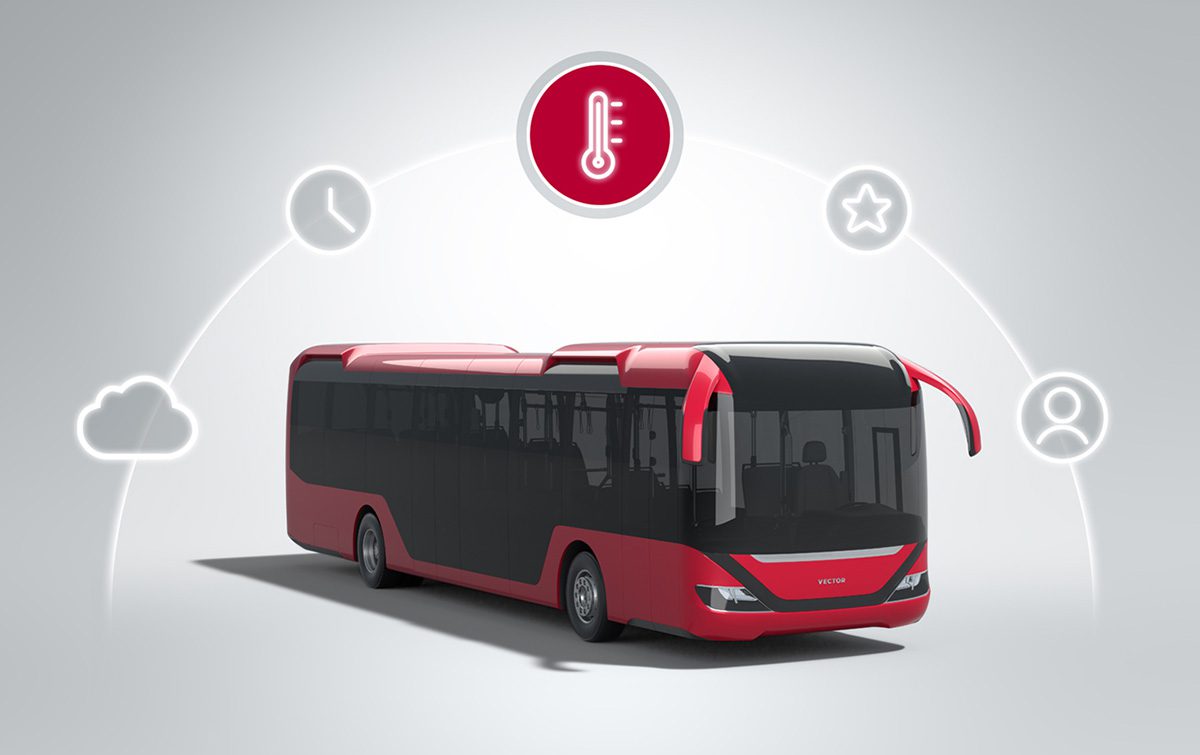
Vector Informatik has enhanced its vCharM charging and energy management system, introducing new features designed to simplify the deployment of VDV 261-compliant preconditioning for electric bus fleets. In collaboration with Hubject, Vector aims to automate the critical certificate management processes essential for secure VDV 261 communications.
Automating Secure Communication for Electric Buses
The updated vCharM system now addresses two significant hurdles in implementing VDV 261 standards for electric vehicles (EVs). These include the complexities of certificate management for secure connections and the standard’s requirement for IPv6-based communication, which can pose challenges for existing infrastructure.

VDV 261 preconditioning allows electric buses to utilize energy from charging stations for heating or cooling essential components before commencing service. This capability ensures that vehicles begin their routes with optimal battery energy available for propulsion, enhancing operational efficiency and range.
Simplifying Certificate Management
On the security front, Vector’s vCharM system now integrates automated creation and distribution of necessary certificates. This functionality is powered by a public key infrastructure (PKI), significantly reducing the manual effort typically involved in generating and installing certificates across multiple charging stations and backend systems.
This automation streamlines the process of establishing secure TLS connections, a key requirement for VDV 261. By simplifying certificate management, Vector is making it more practical for fleet operators to ensure the security and integrity of their charging communications.

Bridging IPv4 and IPv6 Networks
Addressing the networking challenges, Vector’s vCharM.edge hardware now includes an integrated IPv6-to-IPv4 proxy. This feature allows for VDV 261-compliant communication without necessitating a complete overhaul of an operator’s existing IPv4 network infrastructure.
Historically, the VDV 261 standard mandates IPv6 for communication between the vehicle, charging station, and backend systems. This requirement could force fleet operators to invest in costly and disruptive network upgrades. Vector’s solution bypasses this necessity, offering a more accessible path to VDV 261 compliance.
Addressing Key Deployment Barriers
Christian Witt, Product Manager at Vector, emphasized the significance of these updates. “We are removing two of the biggest practical barriers to implementing VDV 261: complex certificate management and the requirement for IPv6 in typical IPv4 infrastructures,” Witt stated.
By tackling these technical and logistical challenges, Vector and Hubject are making it easier for electric bus operators to adopt advanced charging and preconditioning technologies. This ultimately contributes to the more efficient and widespread adoption of electric mobility in public transportation sectors.
The Importance of Preconditioning in E-Mobility
The ability to precondition electric buses is crucial for maximizing their operational effectiveness, especially in diverse climatic conditions. Preheating or precooling the battery and cabin ensures that the vehicle’s energy reserves are primarily dedicated to driving, rather than being consumed by climate control at the start of a route.
This not only extends the usable range of the electric buses but also enhances passenger comfort and driver experience. For public transport authorities and operators, this translates into more reliable service schedules and better overall fleet performance, particularly during peak operational hours.
Collaboration for Enhanced EV Infrastructure
The partnership between Vector Informatik and Hubject highlights the collaborative efforts within the electric vehicle ecosystem to overcome technical obstacles. Hubject, as a leading e-mobility service provider, plays a vital role in facilitating seamless roaming and interoperability between charging infrastructure and EV users.
By combining Vector’s expertise in automotive system development and testing with Hubject’s extensive network and experience in charging management, the two companies are delivering solutions that accelerate the transition to electric fleets. Their joint work on VDV 261 compliance underscores a commitment to robust and secure charging solutions.
Future Implications for Electric Fleets
The advancements in VDV 261 preconditioning technology are poised to significantly impact the operational planning and efficiency of electric bus fleets. By reducing the complexity and cost associated with implementation, Vector and Hubject’s solution makes this beneficial technology more accessible to a broader range of operators.
As the adoption of electric buses continues to grow globally, driven by environmental regulations and technological improvements, solutions that simplify integration and enhance performance will be increasingly critical. This development marks a positive step towards a more streamlined and efficient electric public transportation future.