
EV Engineering News
Harbinger, a prominent manufacturer of medium-duty electric vehicles (EVs), has announced the acquisition of autonomous driving technology company Phantom AI. This strategic move is set to integrate advanced computer vision capabilities into Harbinger’s vehicle offerings and create new software-based revenue opportunities.
Strategic Integration of Phantom AI Capabilities
The acquisition brings Phantom AI’s team of 30 employees into the Harbinger fold. This team will continue to operate from their base in Mountain View, California, ensuring a seamless transition and continued development of their specialized expertise.

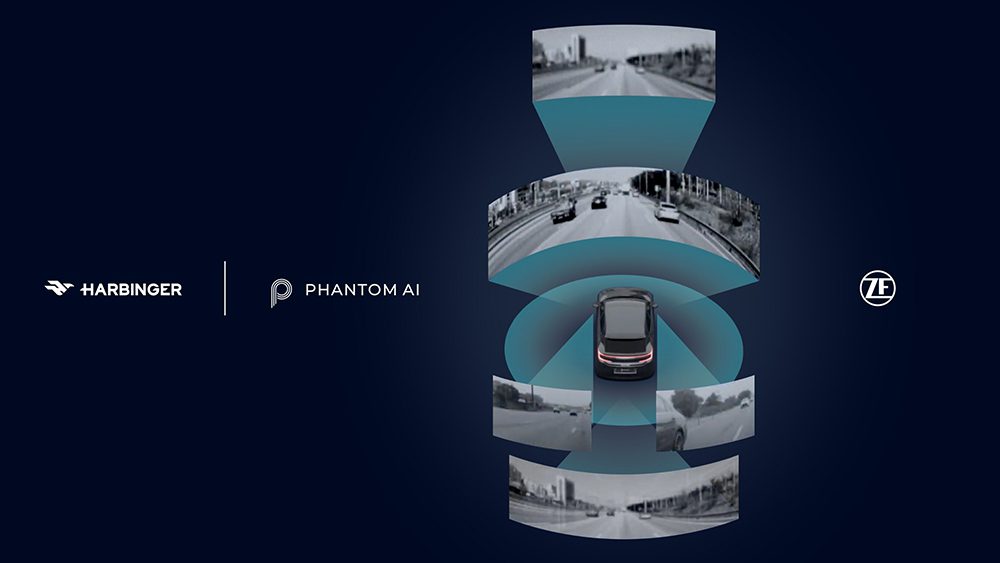
Harbinger plans to embed Phantom AI’s sophisticated computer vision technology directly into its electric vehicles. This integration will power a suite of Advanced Driver Assistance Systems (ADAS) features. These are expected to include critical safety functions such as automatic emergency braking, adaptive cruise control, and lane-keeping assistance.
Expanding Market Reach Through Strategic Partnerships
Beyond its own vehicle applications, Harbinger is also collaborating with ZF Group’s Advanced Driver Assistance Systems (ADAS) business unit. This partnership involves licensing Phantom AI’s computer vision technology for use in passenger car ADAS products.
The combination of acquiring Phantom AI and entering into this partnership with ZF Group is designed to establish a novel software services revenue stream for Harbinger. This diversification marks a significant step in the company’s growth strategy.

Executive Perspectives on the Acquisition
John Harris, CEO of Harbinger, emphasized the strategic importance of these developments. “Our acquisition of Phantom AI and partnership with ZF are pivotal milestones for Harbinger as we expand beyond commercial vehicles and enter new segments for the first time,” Harris stated. “We are combining Phantom AI’s computer vision with ZF’s global reach and leadership in automotive systems to unlock an entirely new revenue stream of software services and autonomy.”
Harris further highlighted the immediate benefits for Harbinger’s existing customer base. “At the same time, we are incorporating even more advanced driver assistance and safety features into our medium-duty vehicles, which is something our large Fortune 500 customers have been asking for,” he added.
Christopher Ludwig, VP of Procurement for ZF’s Electronics & ADAS Division, shared his perspective on the collaboration. “Licensing Phantom AI’s computer vision will help strengthen ZF’s passenger car ADAS portfolio,” Ludwig commented. “This collaboration allows ZF to provide a broader selection of products and options to our customers today while creating a path for future autonomous driving capabilities.”
Dr. Cho, co-founder and CEO of Phantom AI, expressed optimism about the integration. “Thanks to this acquisition, we are able to deliver a more comprehensive, technology-forward solution that includes robust ADAS capabilities and telematics to the medium-duty vehicle segment and beyond,” Dr. Cho said. “While these features are already expected in passenger vehicles, medium-duty fleets have historically been underserved.”
Enhancing Vehicle Safety and Functionality
The integration of Phantom AI’s computer vision technology is poised to significantly enhance the safety and operational capabilities of Harbinger’s medium-duty EV fleet. Features like emergency braking and lane keeping are crucial for improving driver safety and reducing the risk of accidents, particularly in commercial settings.
By leveraging advanced AI and machine learning algorithms, Phantom AI’s technology can interpret complex road scenarios in real-time. This allows for quicker and more accurate responses from the vehicle’s safety systems compared to traditional methods.
Diversification into Software and Services
The acquisition represents a strategic pivot for Harbinger, moving beyond traditional hardware manufacturing into the burgeoning field of automotive software and services. The partnership with ZF Group is key to this strategy, providing a significant channel to market for the licensed technology.
This move aligns with broader industry trends where software is increasingly becoming a key differentiator in vehicle performance, features, and profitability. The development of a new revenue stream from software services could provide Harbinger with a more stable and scalable income source.
Addressing Underserved Markets in Commercial Fleets
As Dr. Cho pointed out, medium-duty commercial fleets have often lagged behind passenger vehicles in the adoption of advanced driver assistance and autonomous features. This acquisition allows Harbinger to directly address this gap, offering cutting-edge technology to a segment that plays a vital role in logistics and transportation.
Providing these advanced capabilities to medium-duty vehicles can lead to improved operational efficiency, reduced insurance costs, and enhanced driver retention through improved safety and comfort. The telematics integration mentioned by Dr. Cho further adds value by providing fleet managers with real-time data on vehicle performance and driver behavior.
Future Implications for the EV and Autonomous Driving Sectors
The acquisition of Phantom AI by Harbinger, coupled with the ZF Group partnership, signals a growing convergence of specialized technology companies and established vehicle manufacturers. It underscores the increasing importance of software and AI in the development of next-generation vehicles, both electric and autonomous.
This strategic alignment could accelerate the deployment of advanced safety features across a wider range of vehicles and segments. It also sets a precedent for how EV manufacturers can leverage acquisitions and partnerships to expand their technological capabilities and business models.
The focus on creating new software revenue streams suggests a future where vehicle functionality and upgrades are increasingly delivered through software updates and subscription services, mirroring trends seen in the consumer electronics and IT industries.
Source: Harbinger