
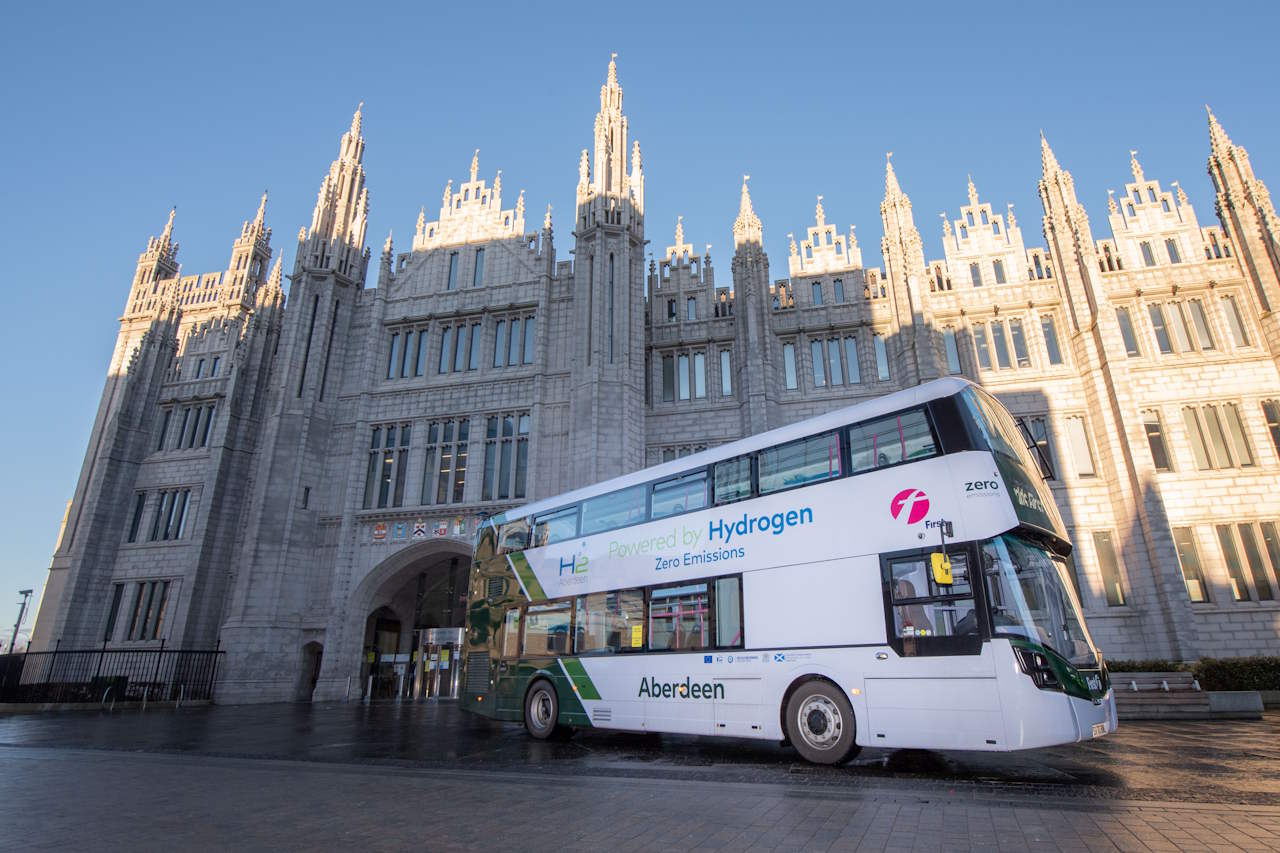
A pioneering fleet of 25 hydrogen-fuelled double-decker buses, once heralded as the world’s first of its kind, is set to be sold off by Aberdeen City Council. The decision follows persistent technical failures and reliability issues that have largely sidelined the multi-million-pound fleet since 2024.
Project’s Ambitious Beginnings and Challenges
Launched in 2021, the hydrogen bus initiative was a cornerstone of Aberdeen’s strategy to establish itself as a prominent hydrogen hub. This ambition was further solidified by a partnership with energy giant BP, announced in 2022. The project aimed to showcase the potential of hydrogen as a clean fuel source for public transportation.

However, the fleet encountered significant operational hurdles. Following necessary repairs, the buses faced recurring reliability problems. These technical challenges were exacerbated by a limited and inconsistent availability of hydrogen fuel, rendering the buses inoperable for extended periods throughout 2024 and 2025.
Council’s Decision and Strategic Shift
At a council meeting held last Thursday, members formally voted to discontinue the hydrogen bus fleet. This decision also entails winding down the collaborative venture with BP. The move signifies a significant pivot in Aberdeen’s approach to sustainable public transport.
The council has reaffirmed its commitment to transitioning its bus fleet to battery electric buses. This strategic shift aligns with a broader industry trend where manufacturers and transport operators are increasingly favouring battery-electric technology over hydrogen alternatives for buses.

Industry Trends Influence Local Decisions
In a statement to the media, the council explained the rationale behind its decision. “As manufacturers and operators increasingly favour EVs, demand for hydrogen in transport has diminished,” the statement read. This observation underscores the evolving landscape of clean transport technology adoption.
The council and BP are now expected to negotiate the transfer of their joint venture assets. The aim is to optimize these resources to support Aberdeen’s transition towards low-carbon electric vehicle transport. This reassessment reflects an adaptation to the changing market dynamics and technological preferences within the transport sector.
Focus on Electric Vehicle Infrastructure
The agreed-upon steps are designed to bolster Aberdeen’s electric vehicle charging infrastructure. This move reinforces the council’s dedication to renewable energy solutions and aims to secure the best value for the city’s investments.
In collaboration with local bus operator First Bus Aberdeen, the council plans a complete transition away from hydrogen in favour of electric vehicles for public transport services. This comprehensive strategy seeks to modernize the city’s transit system while adhering to sustainability goals.
Operator’s Perspective and Future Options
First Bus, the operator responsible for running the hydrogen bus fleet, had leased the 25 vehicles from the council. These buses were deployed on a key city route but have remained idle at the First Bus Aberdeen depot since sometime in 2024 due to the operational issues.
A spokesperson for First Bus commented on the situation: “We have worked closely with the city council on this project which has now completed. Following a review the council has taken the decision not to continue with hydrogen bus technology. We remain in discussions about options for the future of the fleet.”
Local media reports suggest that the council will likely seek external buyers for the hydrogen bus fleet. This potential sale represents one of the most significant reversals for hydrogen-powered public transport initiatives in the United Kingdom, as battery-electric buses continue to capture a larger share of the market.