
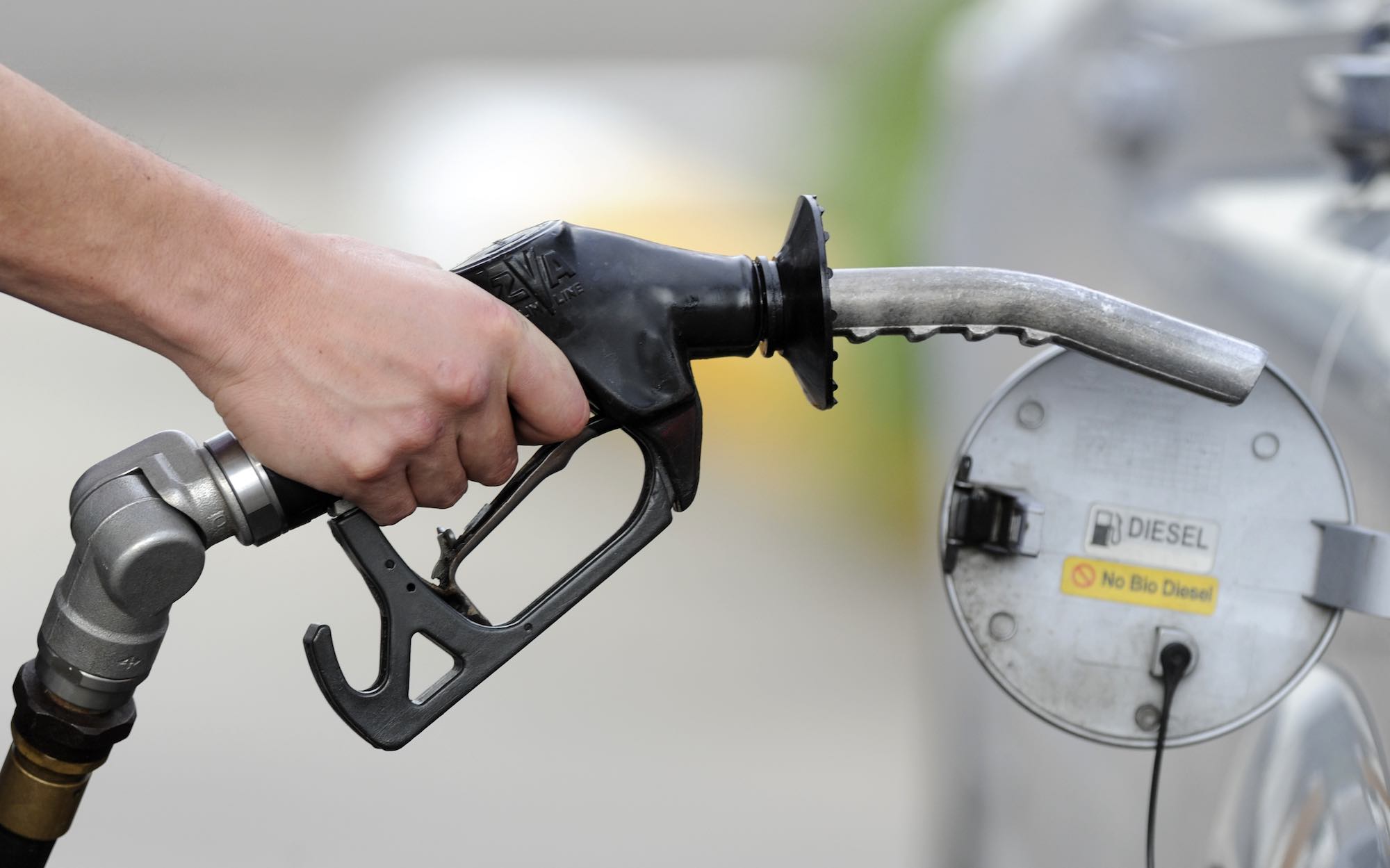
As Australian motorists grapple with rising petrol prices, exacerbated by global geopolitical events impacting fuel supply chains, the appeal of electric vehicles (EVs) as a cost-saving alternative is growing. While the upfront cost of EVs has historically been a barrier, falling prices and lower running expenses are making them an increasingly viable option for many.
The Appeal of Electric Vehicles in a High-Fuel-Price Environment
The recent surge in petrol prices, even before significant geopolitical shocks affected global oil markets, has placed a strain on household budgets. Australia’s heavy reliance on imported fuel, approximately 80%, means domestic prices are particularly sensitive to international supply disruptions. This reality has led more drivers to consider the long-term financial benefits of switching to electric mobility.

The prospect of avoiding weekly trips to the petrol station is a significant drawcard. However, the higher initial purchase price of most EVs compared to their conventional or hybrid counterparts remains a key consideration for potential buyers. While increased competition has led to more affordable EV models, a price premium often persists.
The core question for many is how quickly these higher upfront costs can be offset by an EV’s cheaper running expenses and reduced maintenance needs. To address this, an EV payback calculator has been developed, enabling consumers to estimate the break-even point by comparing popular EVs with comparable hybrid vehicles available in the Australian market.
Understanding the Economic Advantages of EVs
Battery electric vehicles offer several inherent advantages that contribute to lower running costs:

1. Lower Energy Costs Per Kilometre
Electricity is generally more economical than petrol or diesel on a per-kilometre basis, particularly when charging at home during off-peak hours or utilising rooftop solar power. EVs are significantly more energy-efficient than internal combustion engine vehicles, converting a greater proportion of energy into motion and wasting less as heat.
2. Reduced Maintenance Requirements
EVs possess far fewer moving parts compared to traditional vehicles, eliminating the need for oil changes and reducing wear on components like brake pads. The system of regenerative braking, which captures energy during deceleration to recharge the battery, further diminishes brake wear. These factors typically translate into lower servicing bills over the vehicle’s lifespan.
Concerns about battery degradation have largely subsided, as modern EV batteries are designed to last for many years, often exceeding the vehicle’s operational life. Real-world performance of these batteries also generally meets or surpasses expectations set during testing phases.
3. Predictable Running Expenses
Unlike the daily fluctuations in petrol prices, electricity rates tend to be more stable. EV owners who charge at home can often select off-peak tariffs or utilise solar power, providing a predictable and often lower energy cost structure. This predictability contributes to better budget management for EV owners.
How the EV Payback Calculator Works
The EV payback calculator models the financial implications of owning an EV versus a comparable hybrid vehicle. For instance, the MG4 Excite electric hatch, priced around A$42,000 drive-away, can be compared with a Toyota Corolla hybrid, which typically costs about $40,000. The crucial calculation is determining how quickly the EV’s lower running costs offset the initial price difference of approximately $1,900.
The calculator incorporates three annual driving distances: 10,000 km (light use), 15,000 km (average), and 20,000 km (heavy use). It also simulates three distinct charging patterns: predominantly home charging, a balanced mix of home and public charging, and a primary reliance on public fast chargers.
The analysis covers five pairs of vehicles, representing common choices faced by Australian consumers looking for a battery EV or a hybrid in a similar size and price category. This comparison is conservative, as hybrid vehicles themselves often offer lower running costs than traditional internal combustion engine cars.
For each vehicle pairing, the calculator assesses the initial price difference and projected annual running costs. It then determines the time required for the EV’s savings in energy and servicing to recoup the higher purchase price. It is important to note that these calculations are indicative, based on transparent and conservative assumptions, and do not constitute financial advice.
Understanding Payback Time and Its Implications
The payback period signifies the duration it takes for an EV’s accumulated running cost savings to equal its higher initial purchase price. Shorter payback times indicate that savings begin to accrue quickly, while longer periods suggest that the initial premium takes a considerable time to be recovered, or may never be fully recouped.
The Critical Role of Charging Behaviour
A key finding from the analysis is that charging behaviour significantly influences the financial outcome, often as much as the choice of vehicle itself. Consistent savings are achieved through predominantly home charging, whereas a heavy reliance on public fast charging can diminish, or even negate, the cost advantage.
For example, charging an EV with a 60 kWh battery at home during off-peak hours might cost around 20 cents per kilowatt-hour (kWh). In contrast, using an ultrafast public charger for the same charge could cost approximately 60 cents per kWh. This translates to a potential cost difference of A$12 for a full charge at home versus $36 at a public fast charger.
Therefore, the affordability of an EV is influenced not only by its sticker price but also by charging accessibility and the prevailing electricity rates. The economic equation is shaped more by an owner’s charging habits than by the vehicle’s brand or model.
Beyond the payback period, consumers also weigh factors such as safety features, performance, convenience, and anticipated resale value. However, the calculator specifically addresses whether an EV is cheaper to operate and how swiftly its initial price premium is recovered, highlighting that these are distinct considerations.
Home Charging: The Fastest Route to Savings
When EVs are primarily charged at home, most models demonstrate cost savings on running expenses, even for drivers covering an average of 15,000 km annually. In many instances, these savings are substantial enough to achieve payback well within a typical vehicle ownership period of around ten years.
The MG4 Excite and BYD Atto 3 serve as prime examples. These models typically have moderate upfront price premiums and significantly lower energy costs compared to their hybrid counterparts. Under standard assumptions, the MG4 could achieve payback in 3 to 5 years, while the Atto 3 might take 5 to 8 years. Drivers who cover higher annual mileages will experience even faster payback periods, underscoring the importance of both a competitive initial price and energy efficiency.
The Impact of Public Fast Charging on Savings
Shifting a significant portion of charging to more expensive public fast chargers narrows the running-cost advantage and extends the payback period. This effect is particularly noticeable when comparing EVs against highly efficient hybrid vehicles that already offer competitive fuel economy.
This observation does not diminish the value proposition of EVs; rather, it highlights that the cost benefits of public fast charging can erode the financial advantage, especially when petrol prices are relatively low. For prospective EV buyers who lack access to home charging, a thorough investigation into the costs of local public charging infrastructure is essential.
Making an Informed Decision About Your EV Transition
The EV payback calculator demonstrates that EVs offer the greatest financial benefits and recoup their initial premium most rapidly when charging predominantly at home, particularly for high-mileage drivers. Conversely, heavy reliance on public fast charging can make the payback period less certain and potentially longer.
As more Australian drivers explore electric vehicles to reduce expenses and lessen dependence on imported fuels, the focus should extend beyond the initial purchase price. A comprehensive understanding of where and how an EV will be charged, along with an estimation of associated costs and savings, is crucial for making an informed decision.
This article was originally published on The Conversation and is reproduced with their permission.