
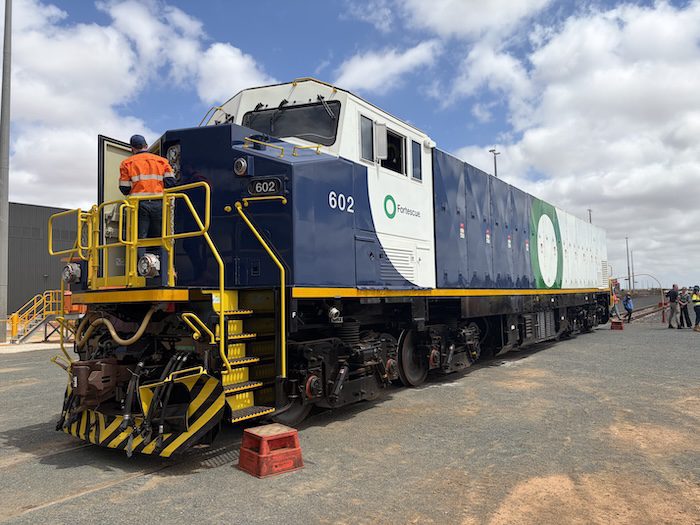
The push towards decarbonisation in New South Wales faces a significant hurdle in the form of federal diesel fuel tax credit schemes, according to the state’s independent Net Zero Commissioner. Katerina Kimmorley has identified reforms to these credits, excluding the agriculture sector, as a prime opportunity to accelerate the transition to cleaner energy in the mining industry.
Decarbonisation Goals Lagging
Speaking at the Climate Innovation & Investment Summit in Sydney, Ms. Kimmorley stated unequivocally, “We need to see our mining sector electrified.” She highlighted that New South Wales is currently not on track to achieve its carbon neutrality targets, with all major sectors, including industry, energy, and transport, falling behind schedule.

While acknowledging that repealing the fuel tax credit alone wouldn’t fully achieve the mining sector’s decarbonisation, Ms. Kimmorley emphasized that winding back these exemptions would substantially improve the financial viability of electric vehicles and other green alternatives for mining operations.
Fuel Tax Credits Under Scrutiny
The federal fuel tax credit scheme, costing approximately $11 billion annually, has become a focal point for both budget savings and enhanced emissions reduction efforts, aligning with Australia’s broader climate commitments. Critics argue the scheme is an outdated fiscal burden, no longer directly linked to the costs of road maintenance.
Furthermore, its continued reliance on emissions-intensive diesel fuel leaves the industry vulnerable to global supply chain disruptions, a vulnerability starkly illustrated by recent geopolitical conflicts in the Middle East. The scheme, therefore, appears to perpetuate a dependence on fossil fuels.

Proposed Reforms and Industry Support
Alternative models are being proposed to address these issues. One such proposal, put forth by Climate Energy Finance, suggests capping diesel tax exemptions at $50 million. Crucially, this model would still allow businesses to claim rebates beyond the cap, provided these funds are reinvested into electrification initiatives.
This approach has garnered support from various stakeholders. The Australian Council of Trade Unions and the Labor Environmental Action Network have indicated their preference for a more constrained scheme. Notably, Andrew Forrest’s mining company, Fortescue, a current beneficiary of the credits, has also signalled its backing for reforms.
Fortescue’s Green Ambitions
Fortescue has established an ambitious target to eliminate fossil fuels from its operations by 2030, a goal the company asserts it is currently on track to meet. The company’s alignment with potential reforms suggests a strategic shift towards sustainable practices and a recognition of the economic and environmental benefits of electrification.
Government Stance
Despite the growing momentum for reform, Federal Resources Minister Madeleine King has stated that the government is not contemplating changes to the fuel tax credits in the upcoming 2026 budget. Minister King has defended the current scheme’s utility for sectors such as farming, mining, and tourism, particularly for operators who do not utilize public roads.
The debate highlights a critical juncture for Australia’s mining sector and its net-zero aspirations. The tension between maintaining established tax structures and incentivising a transition to green technology underscores the complexity of balancing economic interests with urgent environmental imperatives. The coming months will likely see continued discussion on how best to align fiscal policy with the nation’s climate goals, with a particular focus on the significant impact such reforms could have on industrial electrification.