
In the high-stakes realm of Tesla, where monumental advancements in battery technology and the relentless pursuit of full autonomy frequently dominate global headlines, even the most subtle design modification can carry substantial strategic weight. Such a quiet but telling evolution has recently been observed, signaling a significant step in the company’s forward-looking vision.
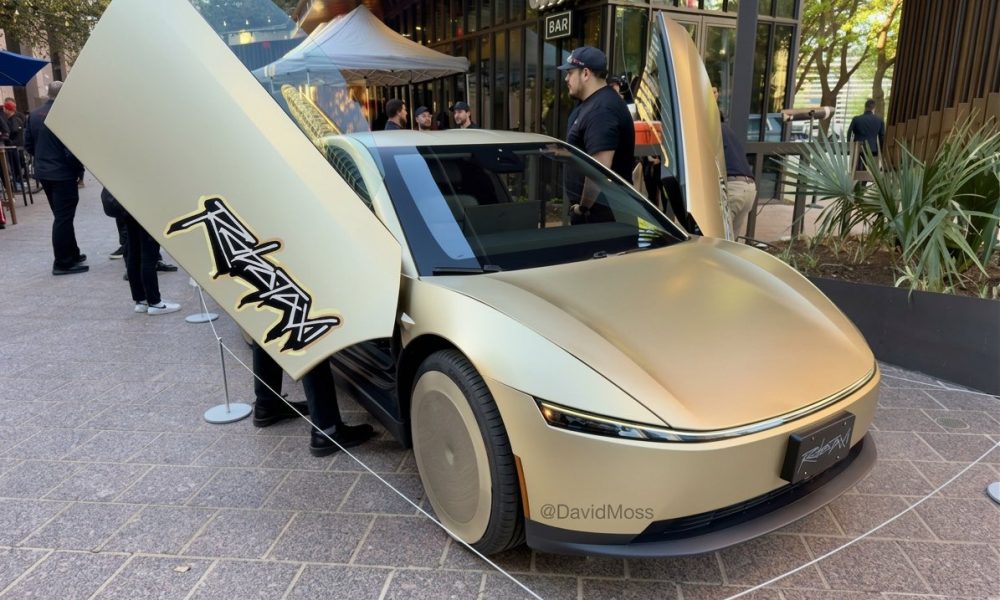
Just last week, keen observers in downtown Austin, Texas, caught sight of a pivotal update on the experimental Cybercab. The vehicle, prominently displayed at Tesla’s Autonomy Popup event, now features a distinct “ROBOTAXI” logo graphic emblazoned across its doors, marking a notable departure from previous prototypes.

What might, at first glance, appear to be a mere stylistic tweak or a minor aesthetic refresh, is in fact a carefully orchestrated rebranding initiative. This visual change offers crucial insights into how Tesla intends for its burgeoning robotaxi fleet to seamlessly integrate into the fabric of daily urban life, moving from concept to ubiquitous presence.
The Shifting Face of Tesla’s Autonomous Fleet
The updated lettering on the Tesla Robotaxi is anything but subtle. It presents a bold, graffiti-inspired aesthetic that exudes an unapologetically street-smart character. This design choice, rendered in striking black with dynamic dripping white accents and a vibrant, glowing yellow outline, consciously evokes a sense of urban energy and playful irreverence.
This new graphic was first highlighted in a social media post, capturing the Cybercab with its fresh branding. The public display at the Autonomy Popup underscores Tesla’s commitment to showcasing its autonomous capabilities and preparing the market for the eventual rollout of these vehicles.

Live From Downtown Austin:
Tesla Cybercab with new logo Graphic at their Autonomy Popup pic.twitter.com/MTTb9KDr3b
— David Moss (@DavidMoss) March 13, 2026
The previous iterations of the Cybercab prototypes were characterized by sleek, minimalist typography, a design language synonymous with Tesla’s broader brand identity. The transition to this more expressive and almost rebellious script signifies a deliberate shift in how the Tesla Robotaxi is positioned in the public consciousness.
Against the smooth, metallic body of the Cybercab, the new logo graphic truly pops, transforming the autonomous pod from merely a futuristic mode of transport into a dynamic, rolling piece of public art. This visual juxtaposition between the vehicle’s advanced engineering and its street-art inspired branding creates a compelling statement.
From Minimalism to Urban Edge: A Design Evolution
Designers and brand strategists universally acknowledge that typography serves as a silent, yet powerful, ambassador for any brand. Fonts possess the inherent ability to shape public perception and convey underlying values long before a consumer ever engages with the product or service itself. Tesla’s established aesthetic, typically characterized by its clean, sans-serif typography, has historically projected an image of precision engineering, cutting-edge innovation, and Silicon Valley sophistication.
The introduction of the new Robotaxi script represents a calculated departure, pivoting towards an emphasis on accessibility and enjoyment. This new visual language actively suggests that the vehicle is welcoming and approachable, rather than intimidating or exclusive. For a service designed to transport a diverse range of individuals across bustling cityscapes, day and night, this perception of user-friendliness is paramount.
The messaging is clear: the Tesla Robotaxi is not an exclusive offering reserved solely for tech-savvy elites or early adopters. Instead, it is being positioned as a public utility, a means of transport intended for everyone, from daily commuters to occasional urban explorers. This broad appeal is critical for widespread adoption and successful integration into urban transit ecosystems.
Strategic Branding for Mass Adoption
The precise timing of this design update is far from coincidental. With regulatory frameworks for unsupervised autonomous operations steadily progressing and Tesla actively gearing up for the large-scale production of its Cybercab fleet, the company is transitioning from the phase of showcasing prototypes to the imminent reality of full-scale fleet deployment. This shift necessitates a refined approach to public identity and perception.
A fresh, distinctive logo plays a vital role in visually differentiating these autonomous vehicles within dense urban environments. Such visual cues are absolutely crucial for immediate rider recognition and for fostering strong brand recall among potential users. As city streets become populated with a variety of autonomous vehicles, standing out becomes a competitive advantage.
Furthermore, this branding strategy aligns seamlessly with Elon Musk’s long-standing philosophy: to make the future feel not just functional, but genuinely exciting and relatable, rather than cold and sterile. The new logo injects a sense of personality and dynamism, making the prospect of autonomous travel more inviting and less alien.
Meticulous Detail in the Autonomy Era
Historically, seemingly minor alterations at Tesla have often served as harbingers of more expansive strategic shifts. The company has consistently demonstrated an obsessive attention to detail, evident in everything from the tactile feel of its door handles and the intuitive design of its screen interfaces, to the precise curvature of its steering wheels. This same meticulous care is now evidently being applied to the consumer-facing aspects of its autonomous offerings.
The decision to update the Tesla Robotaxi font is not merely an aesthetic whim; it reflects a deep-seated commitment to delivering a polished and engaging user experience for autonomous transportation. This is not simply a new coat of paint on a metallic body; it is a clear statement that the future of personal mobility should be more than just efficient. It should be personal, memorable, and possess an undeniably cool factor.
In a rapidly evolving industry where numerous players are vying to launch their own self-driving fleets, Tesla’s proactive approach to refining even the most granular visual cues demonstrates a profound confidence in its trajectory. While a new font alone will not unilaterally launch the vast robotaxi network, it is a significant element that contributes to the broader narrative. This carefully considered design choice could very well be the element that helps millions of people approach, engage with, and ultimately embrace autonomous ride-hailing services with enthusiasm and a welcoming smile.