
The Software Revolution in Modern Vehicles
For years, automotive manufacturers treated software as an afterthought – a static component requiring dealership visits only when problems arose. This approach worked until vehicles transformed into sophisticated data centers on wheels. Today, automakers confront the dual reality of advanced hardware and intelligent software integration, increasingly recognizing that collaborative development and open-source solutions may have been the optimal path all along.
Policy Shift: Paving the Way for Tesla’s Vision
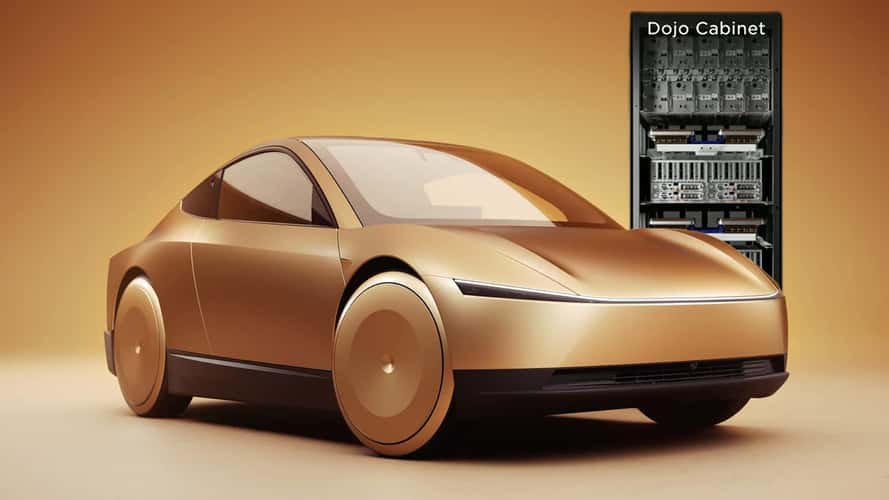
Tesla’s Cybercab faces skepticism due to its unconventional design: a two-seat, sub-$30,000 autonomous vehicle without steering wheel or pedals. Regulatory constraints currently limit production of non-compliant vehicles to just 2,500 units annually – far below Tesla’s mass-market ambitions.
A potential breakthrough emerges as Congress prepares to review the Motor Vehicle Modernization Act. This legislation proposes raising the production cap to 90,000 vehicles, providing Tesla and competitors like Amazon’s Zoox with regulatory flexibility to scale autonomous fleets.
Despite regulatory progress, significant hurdles remain:

- Perfecting autonomous software beyond current limited trials
- Developing specialized charging infrastructure for wheel-less vehicles
- Resolving trademark disputes over the “Cybercab” name
Industry Leaders Challenge Robotaxi Timelines
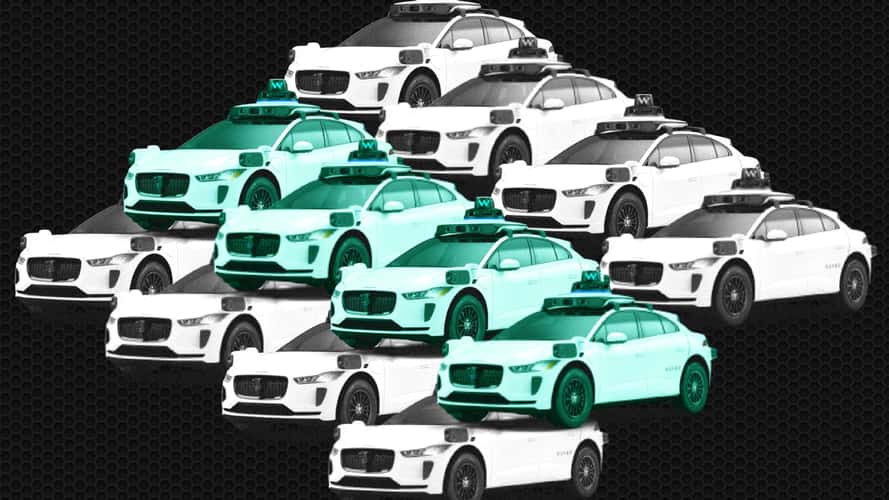
Former Waymo CEO John Krafcik dismissed optimistic predictions about personal robotaxis during CES 2026: “The idea that we’ll have personal robotaxis in our driveway in two years is silly.” His comments contrast sharply with claims from Tesla, Rivian, and Lucid Motors projecting personal autonomous capabilities before 2030.
Krafcik specifically criticized Tesla’s decade-long unfulfilled promises, suggesting companies should be accountable for unrealistic projections. He predicts the industry’s immediate future lies in enhanced driver-assistance systems, citing Ford’s announcement of “eyes-off” driving targets for 2028.
Open-Source Collaboration Gains Momentum
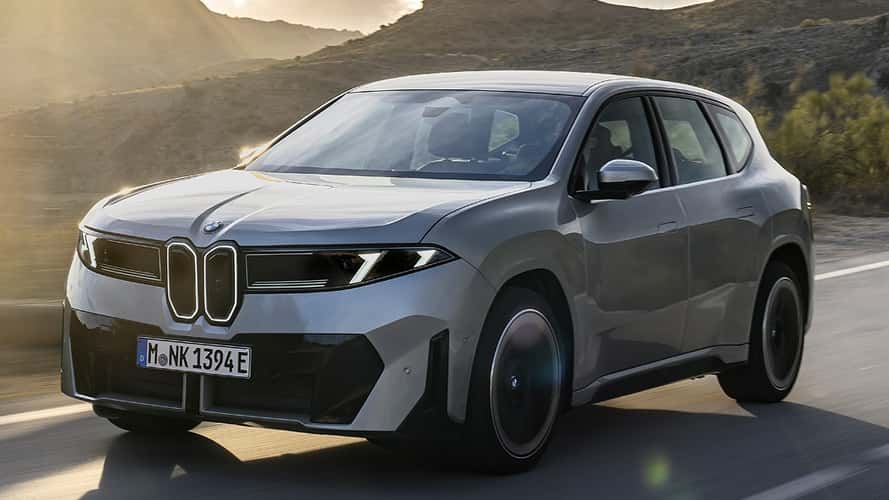
The automotive industry is embracing unprecedented collaboration through open-source initiatives. Germany’s Association of the Automotive Industry (VDA) recently expanded its coalition from 11 to over 30 members, including:
- Automakers: Stellantis, Volkswagen, BMW, Mercedes-Benz
- Suppliers: Schaeffler, Traton
- Tech partners: Infineon, Qualcomm
Mike Milinkovich of the Eclipse Foundation describes this as a “global shift toward open innovation,” driven by cost-reduction needs and accelerating development cycles. This cooperative model marks a significant departure from traditional proprietary approaches.
The Future of Automotive Collaboration
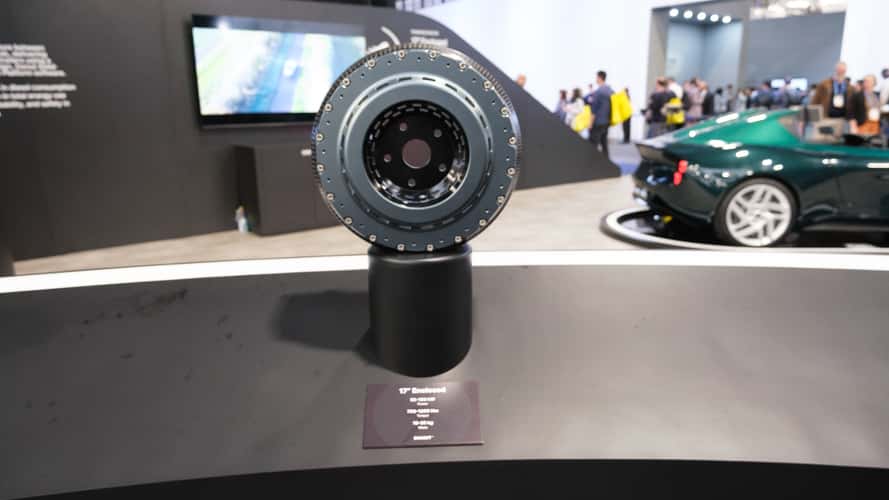
While automakers have historically partnered on specific projects (like Harley Davidson and Porsche), today’s industry-wide collaboration represents an evolution toward shared innovation platforms. This raises critical questions:
- Should open-source automotive innovations be universally accessible?
- What balance maintains competitive differentiation while enabling collective progress?
- How will consumers benefit from accelerated technological advancement?
As regulatory, technological, and collaborative foundations develop, the industry stands at a pivotal moment of transformation.
Have insights about automotive innovation? Email us: tips@insideevs.com