
Key Takeaways
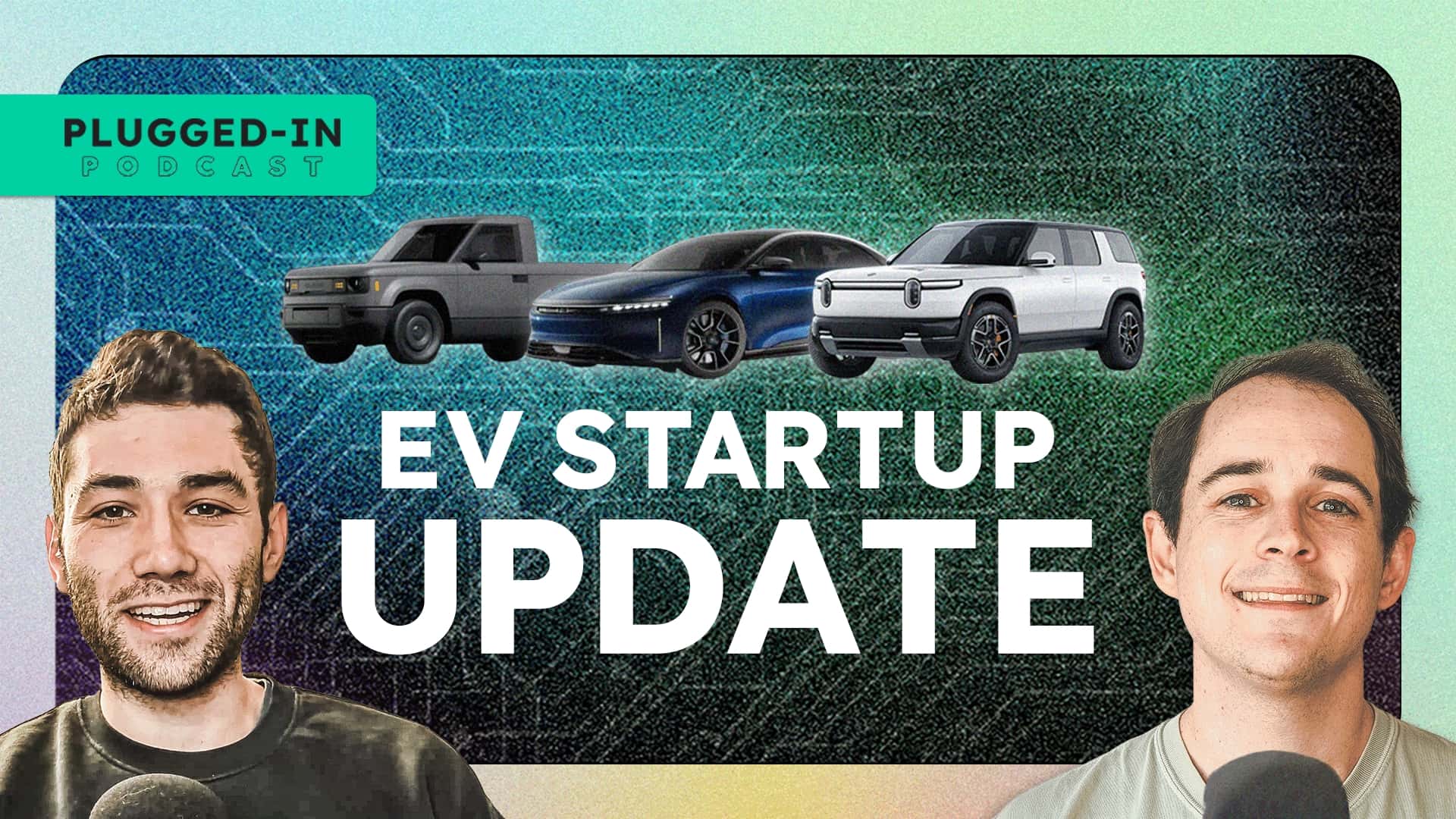
- Crucial Year for Growth: Rivian, Lucid, and Slate are at a critical juncture, launching high-volume products while battling an increasingly challenging electric vehicle market.
- Lucid’s Strategic Refocus: With new leadership and significant investment from the Saudi Arabian Public Investment Fund and Uber, Lucid is shifting from high-end sedans to a mid-size platform for its Cosmos and Earth models, aiming for mainstream market penetration.
- Slate’s Unique Market Entry: The startup secured $650 million for its estimated $25,000, bare-bones electric pickup truck, targeting fleets and DIY enthusiasts with a highly customizable, simple design.
- Rivian’s Mid-Size Push: Rivian is preparing for the highly anticipated launch of its more affordable R2 SUV this spring, building on the momentum of its R1 and Electric Delivery Van sales and expanding its service network.
- Market Challenges Persist: All three EV startups face intense competition, volatile consumer interest, and the inherent difficulties of scaling production and distribution in a demanding automotive landscape.
The year ahead marks a decisive period for prominent electric vehicle (EV) startups Rivian, Lucid, and Slate. Each company is poised to introduce crucial new products designed for higher volume production, racing against time and significant market challenges to establish profitability and sustainable growth. This critical phase unfolds amidst an automotive landscape that has grown increasingly competitive and economically volatile for emerging EV manufacturers.
As these innovative companies strive to scale operations and attract a broader customer base, they must navigate a complex array of obstacles, from securing substantial capital to overcoming production hurdles and adapting to evolving consumer demands. Their success this year will not only define their individual trajectories but also significantly influence the future direction of the broader electric vehicle market.

Lucid’s Strategic Reorientation and Capital Infusion
Lucid Group, a luxury EV manufacturer, recently undertook significant strategic moves to bolster its position. The company announced the appointment of a new CEO, a critical leadership change aimed at steering its future growth. Concurrently, Lucid secured a substantial capital injection, including a $550 million investment from its majority stakeholder, the Saudi Arabian Public Investment Fund, demonstrating continued confidence from its key backer.
Further strengthening its financial outlook and sales pipeline, Lucid also received a new $200 million investment from ride-sharing giant Uber. This partnership includes a significant agreement for Uber to procure 35,000 Gravity robotaxis. This combination of fresh capital and guaranteed sales is expected to provide Lucid with vital liquidity, enabling the company to sustain operations until its more mainstream products, the Cosmos and Earth, can be successfully launched and scaled for mass production.
Shifting Focus to Mainstream Segments
Lucid’s initial foray into the market was marked by the Air, a high-dollar luxury sedan renowned for its performance and impressive range. While lauded for its engineering prowess, the Air operates within a niche segment, as modern automotive buyers have increasingly gravitated towards SUVs over large, expensive sedans. The Gravity, a three-row SUV, was intended to address this market shift, but its launch faced initial challenges and it too competes within a relatively low-volume, high-end category.

The company’s strategic pivot now centers on a new mid-size platform, which will underpin three distinct vehicles: the Cosmos, the Earth, and an unnamed third model with an adventure-focused design. This platform targets the lucrative heart of the automotive market, where vehicles like the Tesla Model Y and Hyundai Ioniq 5 compete for significant sales volumes. Entering this highly competitive segment requires Lucid’s forthcoming alternatives to not only match but potentially surpass established rivals in terms of value, technology, and appeal. Early indications regarding these models are reportedly promising, but the path to widespread market acceptance remains challenging, underscoring the importance of the recent financial bolstering.
Slate’s Iconoclastic Approach to Electric Pickups
Slate, another emerging EV startup, also secured crucial funding, announcing a $650 million Series C funding round led by TWG Global. This substantial investment is earmarked to support the development and market launch of its approximately $25,000 electric pickup truck, a vehicle designed with a distinctly iconoclastic philosophy.
Slate’s core strategy diverges significantly from conventional automotive manufacturing. Rather than integrating a comprehensive suite of standard features, the company aims to offer a truly bare-bones truck. This approach intends to empower consumers with maximum customization, allowing them to accessorize and upgrade their vehicles according to their specific needs and preferences. For instance, the truck is planned to launch with fundamental features such as crank windows, no integrated infotainment screen, and a two-door configuration. A notable innovation is an available “SUV kit,” which permits buyers to convert the truck into an SUV independently, highlighting its DIY-oriented design ethos.
Market Viability and Consumer Appeal
The anticipated launch of Slate’s electric pickup truck is slated for the end of 2026. However, its market performance will be closely watched, particularly in the context of the cessation of the $7,500 federal EV tax credit, which could impact its overall value proposition. Industry observers suggest the truck could find initial popularity among commercial fleets and a segment of enthusiasts drawn to its low starting price, inherent simplicity, and presumably minimal operating costs.
A key question for Slate remains whether this unconventional vehicle concept will resonate with the broader public. While its value proposition is appealing, there are established sub-$30,000 vehicles that offer modern amenities like power windows, four doors, and integrated radios as standard. Consequently, analysts note that the Slate truck’s ultimate success may hinge on its appeal as a lifestyle vehicle for tech-skeptical, DIY-oriented consumers, rather than purely as a budget-friendly option. The extent of this niche market and its willingness to invest in an untested vehicle remains to be seen upon its market introduction.
Rivian’s R2 Launch and Expanding Ecosystem
Rivian, recognized for its premium R1T pickup and R1S SUV, is also poised for a defining year with the impending launch of its mid-size, more affordable R2 SUV. Deliveries of this crucial new model are anticipated to commence this spring, marking a significant step towards broadening Rivian’s market reach beyond its current high-end offerings.
While preparing for the R2’s debut, Rivian continues to build momentum with increasing sales of its existing R1 platform vehicles and the Electric Delivery Van (EDV). Simultaneously, the company is actively expanding its service and sales network, a vital undertaking to support the higher anticipated demand and volume that the R2 is expected to generate. The ability to flawlessly execute on quality control, ensure robust service infrastructure, and maintain strong consumer interest will be paramount to the R2’s success.
Consumer Outlook and Operational Readiness
Market sentiment regarding the R2 appears largely positive. Early reviews, including those from automotive journalists such as former InsideEVs editor-in-chief Patrick George, have been notably favourable. The R2’s design has been widely praised, and the Rivian brand continues to cultivate an aspirational image among consumers. The primary challenge for Rivian lies in mitigating the common teething issues—such as software glitches or production delays—that have historically plagued numerous EV launches. Ensuring that its expanding network of service centers is fully prepared to handle the increased demand and diverse customer needs will be critical. The company is actively addressing these operational challenges, and the effectiveness of these efforts will become clear as the R2 rolls out to market.
Navigating a Challenging EV Landscape
The current period presents a uniquely challenging environment for launching new electric vehicles, particularly for startups operating without the entrenched resources and market share of legacy automakers. The ambition of direct-to-consumer, EV-only brands to carve out a significant presence in the mainstream automotive market remains strong.
However, the question of whether Rivian, Lucid, and Slate can successfully claim and hold this valuable market space is now more pressing than ever. Their ability to secure consistent funding, scale production efficiently, deliver high-quality products, and build reliable service infrastructures will determine their long-term viability. The coming months will be instrumental in revealing which of these innovative EV startups can successfully transition from promising newcomers to established players in the evolving global automotive industry.
FAQ Section
Why is this year critical for Rivian, Lucid, and Slate?
This year is pivotal because all three EV startups are launching new, higher-volume products. Their ability to successfully scale production, secure financing, and gain market traction amidst intense competition and a challenging economic climate will determine their long-term survival and growth in the rapidly evolving electric vehicle sector.
What new products are Lucid focusing on?
Lucid is shifting its focus to a mid-size platform that will underpin three new vehicles: the Cosmos, the Earth, and an unnamed adventure-focused product. These models aim to penetrate the mainstream market segment, contrasting with Lucid’s initial luxury sedan, the Air, and addressing the growing consumer preference for SUVs.
How is Slate’s electric pickup truck different?
Slate’s electric pickup truck is designed as a bare-bones, highly customizable vehicle, projected to start around $25,000. It features minimal standard amenities, such as crank windows and no infotainment screen, and offers an optional “SUV kit” for user-installed conversion, appealing to DIY enthusiasts and fleets prioritizing simplicity and low cost.
What challenges does Rivian face with the R2 launch?
Rivian’s main challenges for the R2 launch include avoiding the production and software issues that often plague new EV models, ensuring its expanding service and sales network can support higher volume demand, and maintaining strong consumer interest. Successfully navigating these operational hurdles will be crucial for the R2’s market acceptance.
How are these EV startups securing funding?
Lucid recently secured $550 million from the Saudi Arabian Public Investment Fund and an additional $200 million from Uber, alongside a deal for 35,000 robotaxis. Slate announced a $650 million Series C funding round anchored by TWG Global. These investments are vital for financing product development, manufacturing expansion, and market entry strategies.