
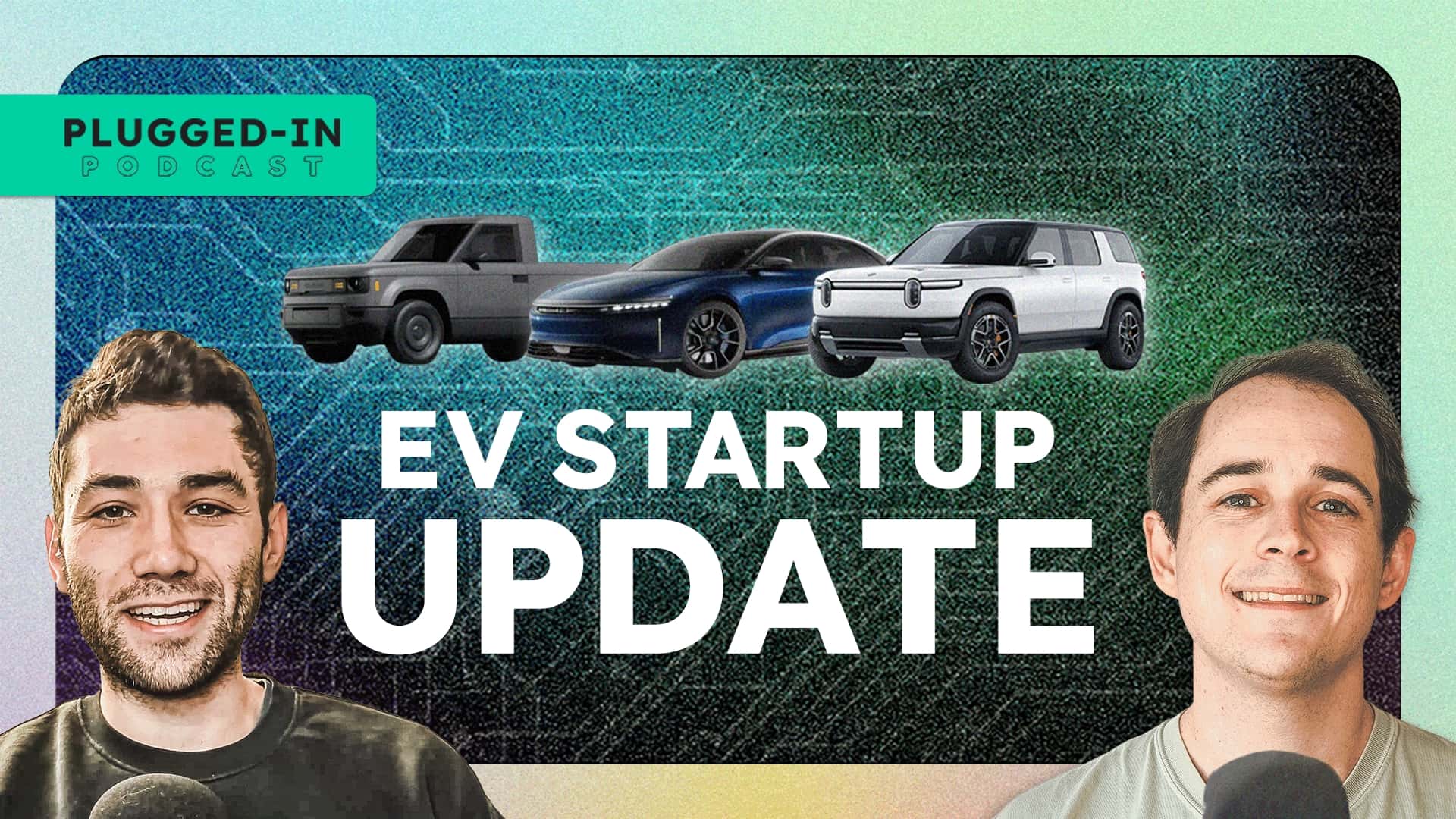
Indian EV startups, including prominent names like Rivian, Lucid, and Slate, are currently navigating what industry analysts describe as their most pivotal year yet. These innovative companies are on the cusp of launching crucial new products and embarking on ambitious scaling initiatives, all while contending with an increasingly challenging and competitive global electric vehicle (EV) market. Their ability to secure funding, streamline production, and attract a wider consumer base in this volatile environment will be instrumental in determining their long-term viability.
Key Takeaways
- Lucid Motors has received substantial new investments totaling $750 million from Saudi Arabia’s Public Investment Fund and Uber, alongside a significant order for 35,000 Gravity robotaxis.
- The company is strategically pivoting from its high-end Air sedan to a mid-size platform featuring the Cosmos, Earth, and a third adventure-focused model, aiming for higher volume segments.
- Slate, an emerging EV truck manufacturer, secured $650 million in Series C funding to bring its approximately $25,000 bare-bones electric pickup to market.
- Rivian is preparing for the highly anticipated launch of its more affordable R2 mid-size SUV, while concurrently expanding its service network to support increased demand.
- All three EV startups face intense pressure to manage production quality, secure consistent funding, and broaden consumer appeal amidst fluctuating market conditions and evolving federal incentives.
Navigating a Shifting EV Landscape
The global electric vehicle sector, while experiencing significant growth, presents a complex and sometimes ‘hostile’ environment for emerging manufacturers. Established automotive giants are rapidly expanding their EV portfolios, intensifying competition for market share, raw materials, and skilled labor. For EV startups, the initial euphoria of innovation is now tempered by the hard realities of scaling production, managing supply chains, and establishing robust sales and service infrastructure.

Against this backdrop, securing adequate capital remains a perpetual challenge. Investors are increasingly scrutinizing business models and pathways to profitability, demanding clear evidence of sustainable growth. Consumer preferences are also evolving, with an increasing emphasis on affordability, charging infrastructure, and practical utility, pushing EV startups to adapt their product strategies.
Lucid’s Strategic Re-evaluation and Capital Infusion
Lucid Motors, known for its luxury electric sedans, is undertaking a significant strategic overhaul to ensure its longevity in the competitive EV market. The company recently announced a new CEO and a substantial capital injection aimed at bolstering its financial position and facilitating the launch of its next generation of vehicles. This move underscores the critical need for financial resilience among high-growth EV startups.
Leadership Change and Financial Boost
In a decisive move, Lucid appointed a new CEO, signaling a refreshed strategic direction for the company. This leadership transition was immediately followed by a significant financial boost, with its majority owner, the Saudi Arabian Public Investment Fund, injecting $550 million. This substantial capital infusion provides crucial liquidity as Lucid scales its operations and develops new product lines.

Further strengthening its financial outlook, Lucid secured an additional $200 million investment from Uber. This partnership extends beyond capital, as Uber has committed to purchasing 35,000 Gravity robotaxis. This large-volume sales agreement is expected to provide a consistent revenue stream and establish a foundation for Lucid’s expansion into commercial fleet segments, mitigating some of the immediate market pressures.
Shifting from Luxury to Mainstream
Lucid’s initial market entry focused on the high-dollar luxury sedan segment with its Air model. While the Air has been critically acclaimed for its performance and impressive range, modern automotive buyers have shown a clear preference for sport utility vehicles (SUVs) over large, expensive sedans. This market shift has presented a challenge for Lucid’s early sales volumes.
The Gravity three-row SUV was intended to address this market demand. However, its launch has faced initial hurdles, and it primarily targets a relatively low-volume, high-end segment of the market. Recognizing the need for broader appeal, Lucid is now directing its efforts towards a new mid-size platform. This platform will underpin three crucial products: the Cosmos, the Earth, and an unnamed third model with an adventure-focused design.
These upcoming mid-size models are strategically positioned to compete in the heart of the electric vehicle market, directly challenging established players like the Tesla Model Y and Hyundai Ioniq 5. This segment is characterized by serious sales volumes but also intense competition. The success of Cosmos and Earth will be pivotal in Lucid’s quest to achieve mainstream market penetration and sustainable growth.
Slate’s Maverick Approach to the Electric Pickup Market
Slate, another emerging EV startup, is poised to enter the market with an iconoclastic vision for an electric pickup truck. The company’s strategy revolves around offering a highly customizable, bare-bones vehicle at a compelling price point, aiming to disrupt traditional expectations of what an EV should include as standard features.
Securing Crucial Funding
To realize its ambitious plans, Slate recently concluded a $650 million Series C funding round. This substantial investment, anchored by TWG Global, provides the necessary capital to move its approximately $25,000 electric pickup truck from development to market. Such funding rounds are vital lifelines for EV startups, enabling them to navigate the capital-intensive stages of manufacturing and commercialization.
The Ultra-Affordable, Customizable Truck
Slate’s unique proposition is an electric pickup designed with a minimalist philosophy. The vehicle is expected to launch with fundamental features such as crank windows, an absence of an integrated infotainment screen, and a two-door configuration. A key aspect of its design includes an available “SUV kit,” which allows buyers to convert the truck into an SUV independently.
The company aims to commence production this year, though the official market launch for consumers is anticipated towards the end of 2026. This staggered timeline indicates a planned ramp-up phase to ensure production readiness and quality control before broad market release.
Market Reception and Federal Incentives
The success of Slate’s ultra-affordable electric pickup will be significantly influenced by market dynamics, particularly the landscape of federal tax credits. The expiration of the $7,500 federal tax credit could impact its value proposition for certain buyers.
Industry analysts suggest the Slate truck could find initial traction among commercial fleets and dedicated EV enthusiasts, citing its accessible price point, inherent simplicity, and anticipated low operational expenditures. However, questions remain regarding its competitiveness as a pure value proposition when compared to other sub-$30,000 vehicles that offer more standard features like power windows, four doors, and integrated radios. The true test of its broad market acceptance will come upon its anticipated launch towards the end of 2026, revealing if the tech-skeptical, DIY-oriented consumer segment is large enough to drive significant sales volumes.
Rivian’s Expansion with the R2 and Network Growth
Rivian, a prominent player among EV startups, is also facing a make-or-break year as it strategically expands its product line and strengthens its operational footprint. The introduction of the R2, a more affordable and mid-size SUV, is central to its growth strategy, aiming to tap into a wider consumer base.
The R2’s Pivotal Role
The R2 is positioned as Rivian’s entry into the more accessible mid-size EV segment. While deliveries are projected to commence in 2026, the company actively showcased the R2 and opened reservations this spring, building considerable anticipation. This product is crucial for Rivian to scale its production volumes and achieve broader market appeal beyond its premium R1 series.
Sustaining Momentum and Infrastructure Build-Out
Even as it prepares for the R2, Rivian is maintaining momentum through growing sales of its existing R1T pickup, R1S SUV, and the Electric Delivery Van (EDV) for Amazon. Concurrently, the company is investing heavily in expanding its service and sales network. This infrastructure development is vital for supporting the anticipated higher volumes and increased demand that the R2 is expected to generate, ensuring a seamless customer experience.
Consumer Confidence and Quality Control
Early reviews and public reception of the R2 have been overwhelmingly positive, with its design often described as a ‘slam dunk’ and the brand maintaining an aspirational image. However, Rivian’s primary challenge lies in executing a flawless launch, particularly in avoiding the ‘teething issues’ related to quality and production that have historically plagued many new EV models.
The company’s explicit focus on preparing its service centers for the upcoming surge in demand is a critical step. The success of the R2 will ultimately depend on Rivian’s ability to consistently deliver high-quality vehicles and provide exceptional after-sales support, thereby solidifying consumer confidence in the brand’s long-term capabilities.
The Path Forward for EV Startups
The current year represents a decisive period for EV startups like Rivian, Lucid, and Slate. The automotive industry is undergoing an unprecedented transformation towards electrification, and while the market is ripe for innovation, it is also fiercely competitive and capital-intensive. The ability of these direct-to-consumer, EV-only brands to claim significant market share will depend on their strategic agility, financial fortitude, and unwavering commitment to quality and customer satisfaction.
The challenges are considerable, ranging from securing consistent funding and scaling complex manufacturing processes to effectively responding to dynamic consumer preferences and evolving regulatory environments. While a pathway exists for more specialized and mainstream EV brands to thrive, the next few years will definitively demonstrate which of these ambitious EV startups are equipped to endure and lead in the future of sustainable mobility.
FAQ
What makes 2024 a critical year for EV startups like Rivian, Lucid, and Slate?
This year is critical because these EV startups are simultaneously launching pivotal new products, striving to scale production, and battling for market relevance in an increasingly competitive electric vehicle landscape. Their ability to secure funding and execute these plans successfully will largely determine their future trajectory.
How is Lucid Motors securing its financial future and expanding its product line?
Lucid has garnered $550 million from the Saudi Arabian Public Investment Fund and an additional $200 million from Uber. This financial boost, coupled with Uber’s commitment to purchase 35,000 Gravity robotaxis, provides crucial capital for Lucid to pivot towards launching more mainstream mid-size EVs like the Cosmos and Earth, complementing its luxury Air sedan.
What is Slate’s unique strategy for its electric pickup truck?
Slate’s strategy is to offer a highly affordable, approximately $25,000 bare-bones electric pickup. It features manual windows, no infotainment screen, and a two-door design, with an optional kit to convert it into an SUV. This iconoclastic approach focuses on consumer customization and low operating costs, aiming to attract fleets and DIY enthusiasts.
When are the Rivian R2 deliveries expected, and what is its market significance?
While the Rivian R2 was unveiled and reservations opened in spring 2024, deliveries are projected to begin in 2026. The R2 is significant as it represents Rivian’s entry into the more affordable, mid-size SUV segment, crucial for expanding its customer base and increasing production volumes beyond its premium R1 models.
What are the primary challenges facing these EV startups in the current market?
Key challenges for these EV startups include navigating a ‘hostile’ market characterized by intense competition from established automakers, securing sustained funding, efficiently scaling production without quality compromises, adapting to shifting consumer preferences towards more affordable and practical EVs, and managing the impact of changing federal incentives like tax credits.
How does the expiration of the federal EV tax credit affect new EV launches?
The expiration of federal EV tax credits, such as the $7,500 incentive, can significantly impact the final purchase price for consumers. For EV startups, particularly those offering more affordable models like Slate, this can diminish their competitive advantage and make it harder to attract price-sensitive buyers, necessitating stronger inherent value propositions.
What role does a strong service and sales network play for EV startups like Rivian?
A robust service and sales network is vital for EV startups, especially when launching higher-volume products. For Rivian, expanding this infrastructure ensures that they can adequately support the anticipated increase in demand for models like the R2, address potential vehicle issues promptly, and maintain high customer satisfaction, which is crucial for brand reputation and sustained growth.