
Key Takeaways
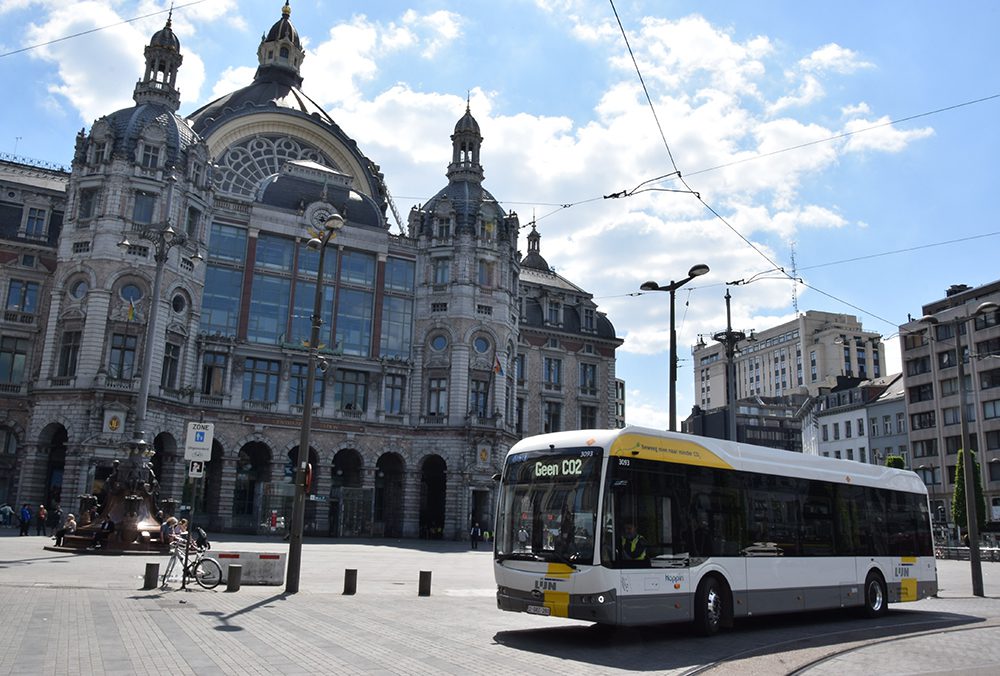
- De Lijn, Flanders’ transport agency, has officially commissioned its 1,000th electric bus, signaling a significant leap in its commitment to sustainable public transport.
- The agency aims to fully phase out all 3,800 diesel buses by 2035, transitioning entirely to an electric fleet.
- This ambitious transformation involves a substantial investment of over 400 million euros from the Flemish Government for vehicle procurement.
- Beyond vehicles, De Lijn is making considerable investments in charging infrastructure, energy supply, advanced software, and comprehensive training for both drivers and technicians.
- The shift to electric buses is leading to an innovative, data-driven maintenance approach, enhancing reliability and reducing urgent repairs.
- Passengers can expect a more comfortable, quieter, and ultimately emission-free travel experience, contributing positively to air quality and urban livability across Flanders.
A Green Leap Forward for Flemish Public Transport
Flanders, the northern region of Belgium, is accelerating its journey towards a greener future for public transport. De Lijn, the region’s prominent transport agency, recently announced a significant milestone, having commissioned its 1,000th electric bus. This achievement underscores a determined shift in urban mobility, moving away from conventional fossil-fuel-powered vehicles.
The continuous deployment of electric buses is not merely a symbolic gesture but a tangible step in De Lijn’s comprehensive strategy for fleet electrification. The agency has been steadily adding to its electric bus fleet, with substantial orders placed to bolster this transition in the coming years.
Ambitious Vision: Phasing Out Diesel by 2035
De Lijn’s long-term vision is clear and ambitious: to achieve a completely diesel-free public transport system by 2035. This necessitates a profound overhaul of its entire fleet, which will ultimately comprise 3,800 electric buses. The scale of this undertaking highlights a strategic commitment to environmental sustainability and modern public service.
This transformation is not limited to merely replacing old vehicles with new ones. It encompasses a multi-faceted investment strategy that addresses every aspect of operating an advanced electric bus fleet. This includes significant capital allocation for new vehicles, cutting-edge charging infrastructure, resilient energy supply systems, sophisticated operational software, and extensive training programmes.
Substantial Financial Commitment
The magnitude of this transition is reflected in the substantial financial backing it has received. The Flemish Government has demonstrated its firm commitment by allocating a significant ‘turbo investment’ of 400 million euros. This funding is specifically earmarked for the procurement of these new, environmentally friendly electric buses.

Flemish Minister of Mobility Annick De Ridder emphasized the strategic importance of this investment, stating, “The 1,000th electric bus is a clear signal that Flanders is moving forward towards sustainable and future-oriented public transport.” She further highlighted the government’s role, adding, “The Flemish Government provided a turbo investment of 400 million euros for the purchase of electric buses.”
Investing in Infrastructure and Digital Transformation
The successful operation of a large-scale electric bus fleet hinges on robust supporting infrastructure. De Lijn’s investment extends far beyond the vehicles themselves, focusing heavily on developing the necessary charging facilities across its operational network. This ensures efficient and timely recharging, crucial for maintaining service schedules.
Alongside physical infrastructure, the agency is prioritizing digital transformation. This involves substantial investment in new software systems designed to optimize route planning, energy management, and real-time fleet monitoring. These digital tools are integral to maximizing the efficiency and reliability of the nascent electric bus fleet.
Reskilling the Workforce: A Human-Centric Transition
A transition of this magnitude also requires a skilled workforce capable of operating and maintaining advanced electric vehicles. De Lijn has proactively addressed this by implementing comprehensive employee training programs. These initiatives are crucial for ensuring a smooth and effective shift in operational paradigms.
In 2025 alone, a remarkable 1,400 drivers underwent specialized training tailored for operating electric buses. This ensures that the personnel at the forefront of public service are proficient in handling the new technology. Concurrently, 176 technicians received in-depth training in electromechanics, equipping them with the expertise required for the specialized maintenance of electric vehicle components.
Redefining Maintenance: Efficiency Through Data
The adoption of electric buses brings with it a fundamental shift in maintenance practices. Unlike their diesel counterparts, electric vehicles typically require less mechanical maintenance due to fewer moving parts. De Lijn has recognized this inherent advantage and is leveraging it to implement a more advanced, data-driven approach to maintenance.
This new paradigm focuses increasingly on prevention and continuous monitoring. Telemetry data from the buses allows technicians to identify potential issues before they escalate, significantly reducing the need for urgent, reactive repairs. This proactive strategy not only enhances the reliability of service but also optimizes operational costs and extends the lifespan of the vehicles within the electric bus fleet.
Enhancing the Passenger Experience and Urban Environment
The benefits of this electrification extend directly to the passengers and the broader urban environment. Electric buses are inherently quieter than diesel buses, significantly reducing noise pollution in urban areas. This contributes to a more peaceful environment for residents and a more comfortable journey for commuters.
Furthermore, the zero-emission nature of these buses directly impacts air quality. By eliminating tailpipe emissions, De Lijn is playing a vital role in improving public health and contributing to cleaner air in towns and cities across Flanders. This aligns with broader climate goals and promotes sustainable urban development.
De Lijn Director-General Ann Schoub highlighted these benefits, stating, “The enormous behind-the-scenes transformation that many people are involved in is now fully visible on the road with modern, quiet and fuel-efficient vehicles.” She added, “For the traveler, that means more comfortable transport today, and tomorrow completely emission-free public transport throughout Flanders, with a positive impact on air quality, noise and livability.”
The Road Ahead for Sustainable Mobility in Flanders
The commissioning of De Lijn’s 1,000th electric bus is a powerful indicator of Flanders’ steadfast commitment to sustainable public transport. This achievement, coupled with the ambitious 2035 target, positions the region as a leader in urban mobility electrification.
The comprehensive strategy, encompassing significant investment in vehicles, infrastructure, software, and human capital, lays a robust foundation for a future where public transport is not only efficient and reliable but also environmentally responsible. This forward-thinking approach promises a tangible improvement in the quality of life for residents and a healthier environment for all.
Frequently Asked Questions (FAQ)
What is the primary goal of De Lijn’s electrification program?
De Lijn aims to completely transition its entire bus fleet to electric vehicles by 2035, phasing out all diesel buses. This initiative is part of a broader commitment to sustainable and emission-free public transport across the Flanders region.
How many electric buses does De Lijn plan to deploy by 2035?
By the target year of 2035, De Lijn plans to operate a fleet consisting entirely of 3,800 electric buses. This will replace its current diesel fleet, marking a full transformation of its operational vehicles.
What is the Flemish Government’s financial contribution to this project?
The Flemish Government has provided a substantial ‘turbo investment’ of 400 million euros. This significant funding is specifically allocated to support the purchase of new electric buses, accelerating the fleet’s transition.
Beyond vehicles, what other investments is De Lijn making?
De Lijn is making major investments in critical supporting infrastructure, including advanced charging stations, reliable energy supply systems, and sophisticated operational software. Employee training for drivers and technicians is also a key area of focus to ensure smooth operation and maintenance.
How is maintenance changing with the introduction of electric buses?
Electric buses require less mechanical maintenance than diesel buses. De Lijn is shifting towards a more data-driven approach, focusing on preventive maintenance and continuous monitoring. This reduces the need for urgent repairs and enhances overall service reliability.
What are the benefits of electric buses for passengers and the environment?
For passengers, electric buses offer a quieter and more comfortable journey. Environmentally, they provide emission-free transport, significantly improving air quality and reducing noise pollution in urban areas, contributing to a better quality of life and livability in Flanders.