
Key Takeaways
- Walmart has rapidly expanded its owned DC fast charging network, increasing station count by 50% in just two months.
- The retail giant now operates over 200 high-powered charging ports across 31 locations in the U.S., with plans for thousands more by 2030.
- Each station features 400-kilowatt chargers from Alpitronic or ABB, supporting both NACS and CCS1 standards, offering wide compatibility for EV drivers.
- Texas leads with 15 Walmart EV charging stations, demonstrating a strategic rollout focused on key markets.
- Drivers access the network via Walmart’s smartphone app, with an average charging cost of $0.48 per kilowatt-hour.
BENGALURU: Walmart, the world’s largest retailer, is significantly accelerating its foray into the electric vehicle (EV) charging landscape, dramatically expanding its owned DC fast charging network across the United States. In a strategic move to bolster EV infrastructure, the company has witnessed a 50% surge in its charging stations over the past two months alone, signaling a robust commitment to the burgeoning electric mobility sector.
This rapid expansion solidifies Walmart’s position as a key player in supporting the widespread adoption of electric vehicles, offering crucial convenience to a growing base of EV owners. The initiative not only enhances customer experience at its vast network of stores but also contributes substantially to national efforts to build a resilient and accessible EV charging ecosystem.

Walmart’s Aggressive EV Charging Network Growth
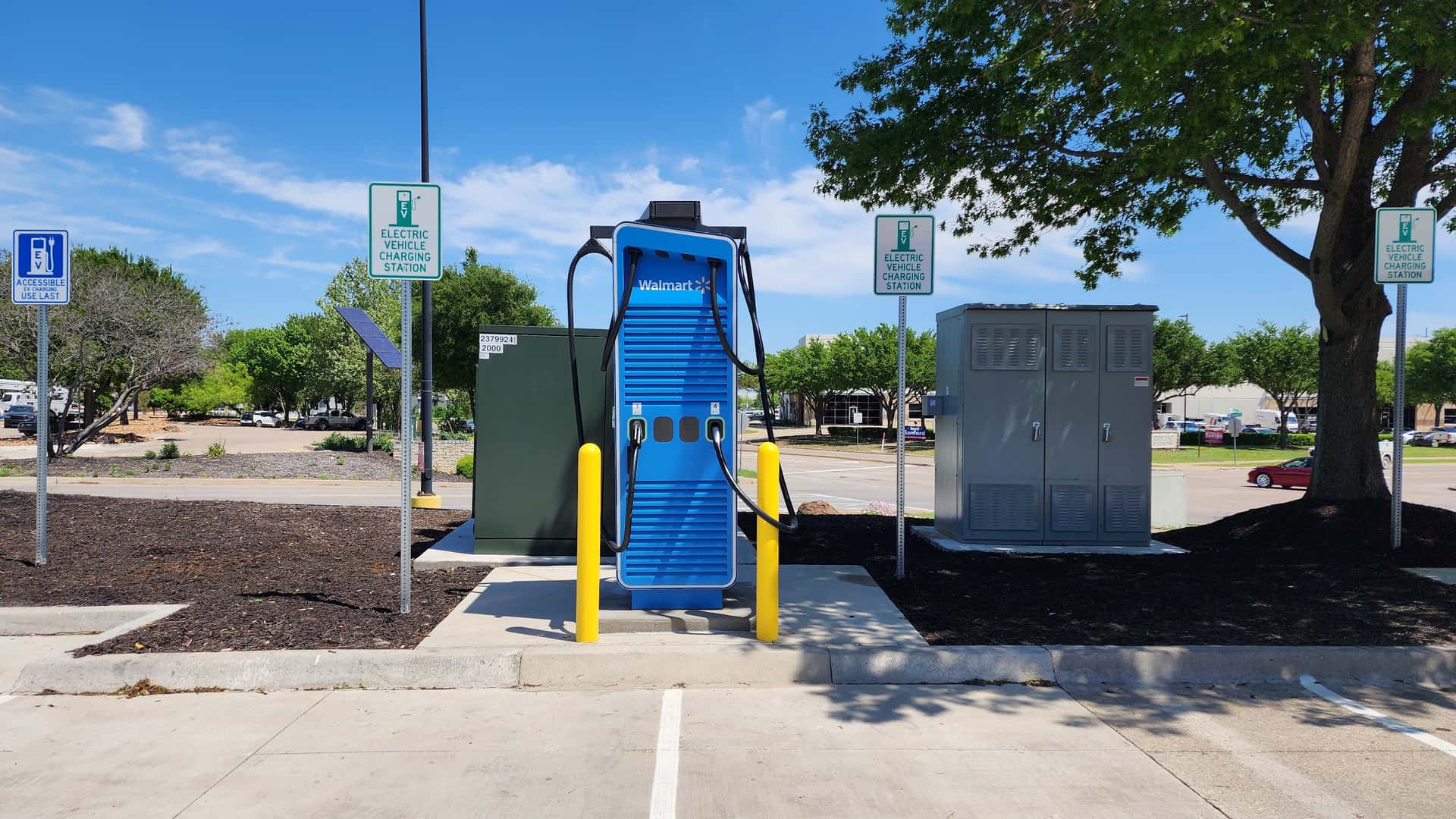
The retail behemoth has markedly intensified its efforts to establish a comprehensive Walmart EV charging network. According to data from the Department of Energy’s Alternative Fuels Data Center (AFDC), the company currently boasts 31 dedicated DC fast charging stations across the U.S., collectively housing 224 high-powered connectors. This notable figure, also highlighted by *EVChargingStations.com*, translates to over 200 individual charging ports now operational for public use.
The pace of this growth is particularly striking. Just two months prior, the network comprised a substantially smaller footprint. This accelerated deployment underscores Walmart’s proactive strategy to integrate EV charging solutions into its extensive retail infrastructure, addressing a critical need for accessible and reliable charging options for electric vehicle drivers nationwide.
Advanced Technology and Broad Compatibility
Central to Walmart’s expanding electric vehicle infrastructure are its state-of-the-art charging units. The company exclusively deploys high-capacity 400-kilowatt chargers, sourced from industry leaders such as Alpitronic or ABB. These powerful units are designed to deliver rapid charging, significantly reducing the time EV owners spend topping up their vehicles.

Each individual charging stall within the Walmart EV charging network is equipped with dual connectors: a North American Charging Standard (NACS) cable and a Combined Charging System (CCS1) port. This dual-standard approach ensures broad compatibility, catering to a wide array of electric vehicle models, including those from Tesla and other major manufacturers transitioning to the NACS standard. With 112 individual dispensers installed across its locations, Walmart is ensuring that diverse EV drivers can benefit from its high-speed charging capabilities.
The current count of operational ports, while significant, represents just the initial phase of an ambitious long-term vision. Walmart has publicly stated its intent to install fast chargers at “thousands of its locations by 2030,” with further expansion planned into the next decade. This commitment signals a sustained investment in the Walmart EV charging network, poised to transform the charging landscape for millions of consumers.
Evolution of Walmart’s Charging Footprint
Walmart’s engagement in the EV charging space is not entirely new. For years, its store premises have hosted DC fast chargers operated by third-party networks, most notably Electrify America. These partnerships laid the groundwork, familiarizing customers with the convenience of charging while they shop.
However, a strategic shift occurred in 2023 when Walmart made the pivotal decision to enter the EV charging business directly, launching its own branded charging stations. The initial rollout was methodical rather than immediate. The first Walmart-branded chargers became operational in April 2023. By November of the same year, the network had grown to 10 stations. The pace then accelerated, doubling to 20 stations by February, and reaching the current figure of 31 stations by early April, demonstrating a clear upward trajectory in deployment.
Strategic Geographic Deployment and Accessibility
The current distribution of the Walmart EV charging network reflects a calculated strategy, focusing on high-traffic areas and regions with burgeoning EV adoption. Texas currently leads the nation with 15 Walmart EV charging stations, underscoring the state’s significant role in the growing electric vehicle market. Arizona follows with six stations, while Florida hosts three, and Oklahoma has two.
Additionally, Alabama, Arkansas, Georgia, New Jersey, and South Carolina each feature one Walmart EV charging station. This geographic spread highlights the retailer’s intent to provide charging solutions in diverse markets, from established EV hubs to developing regions. The placement of these charging stations at Walmart stores offers unparalleled convenience, allowing drivers to recharge their vehicles while completing their shopping, effectively leveraging the ‘dwell time’ already spent at retail locations.
Seamless User Experience and Transparent Pricing
To access the Walmart EV charging network, drivers are required to use the store’s dedicated smartphone application. This app-based system streamlines the charging process, from locating an available stall to initiating and completing a charging session. Notably, the charging stalls are not equipped with traditional card readers, making the smartphone app the sole method for payment and service activation.
Pricing for the Walmart EV charging network is designed to be competitive, though it can vary slightly by location. On average, users can expect to pay approximately $0.48 per kilowatt-hour (kWh) for charging services. This transparent, per-kWh pricing model allows drivers to understand their costs clearly, fostering confidence in using the growing network.
Broader Implications for EV Adoption and Infrastructure
Walmart’s aggressive expansion of its DC fast charging network is more than just a corporate initiative; it represents a significant push towards accelerating electric vehicle adoption across the United States. By integrating robust charging infrastructure into its massive retail footprint, Walmart directly addresses one of the primary concerns for prospective EV buyers: range anxiety and the availability of convenient charging options.
The commitment of a retail giant like Walmart sends a strong signal to both consumers and the automotive industry about the mainstreaming of electric vehicles. This move complements broader national strategies aimed at deploying half a million EV chargers across the country by 2030, transforming roadside stops and retail parking lots into vital energy hubs for the future of transportation. As more companies follow suit, the collective effort will undoubtedly pave the way for a more sustainable and electrified future.
In conclusion, Walmart’s swift and substantial expansion of its owned DC fast charging network marks a pivotal moment in the evolution of EV infrastructure. With hundreds of ports already operational and thousands more planned, the retail giant is not merely participating in the EV revolution but actively shaping it, offering unparalleled convenience and contributing significantly to the nation’s transition to electric mobility.
Frequently Asked Questions About Walmart EV Charging
What is the current size of Walmart’s EV charging network?
Walmart’s owned DC fast charging network currently includes 31 stations with a total of 224 high-powered connectors, equating to over 200 individual charging ports across the United States. This represents a 50% increase in station count within just two months.
What type of chargers does Walmart install?
Walmart exclusively installs high-capacity 400-kilowatt DC fast chargers from leading manufacturers like Alpitronic or ABB. These powerful units are designed for quick recharges, enhancing convenience for electric vehicle owners.
Are Walmart’s EV chargers compatible with all electric vehicles?
Yes, each charging stall is equipped with both NACS (North American Charging Standard) cables and CCS1 (Combined Charging System) ports. This dual compatibility ensures that a wide range of electric vehicles, including Tesla models and other major brands, can utilize the Walmart EV charging network.
How do I pay for charging at a Walmart station?
To use Walmart’s EV chargers, drivers must utilize the store’s official smartphone application. The charging stations do not feature card readers, making the app the sole method for initiating a charging session and processing payment.
What is the average cost to charge an EV at Walmart?
While pricing may vary slightly by location, the average cost for charging an electric vehicle at a Walmart station is approximately $0.48 per kilowatt-hour (kWh). This competitive pricing model aims to provide an affordable charging option for drivers.
Which states have the most Walmart EV charging stations?
Currently, Texas leads the nation with 15 Walmart EV charging stations. Other states with significant numbers include Arizona (6), Florida (3), and Oklahoma (2). Several other states each host one station, indicating a growing national footprint.
What are Walmart’s future plans for its EV charging network?
Walmart has ambitious plans to expand its EV charging network significantly. The company aims to install fast chargers at “thousands of its locations by 2030,” with further expansion anticipated into the next decade, reinforcing its long-term commitment to electric mobility infrastructure.