
Key Takeaways:
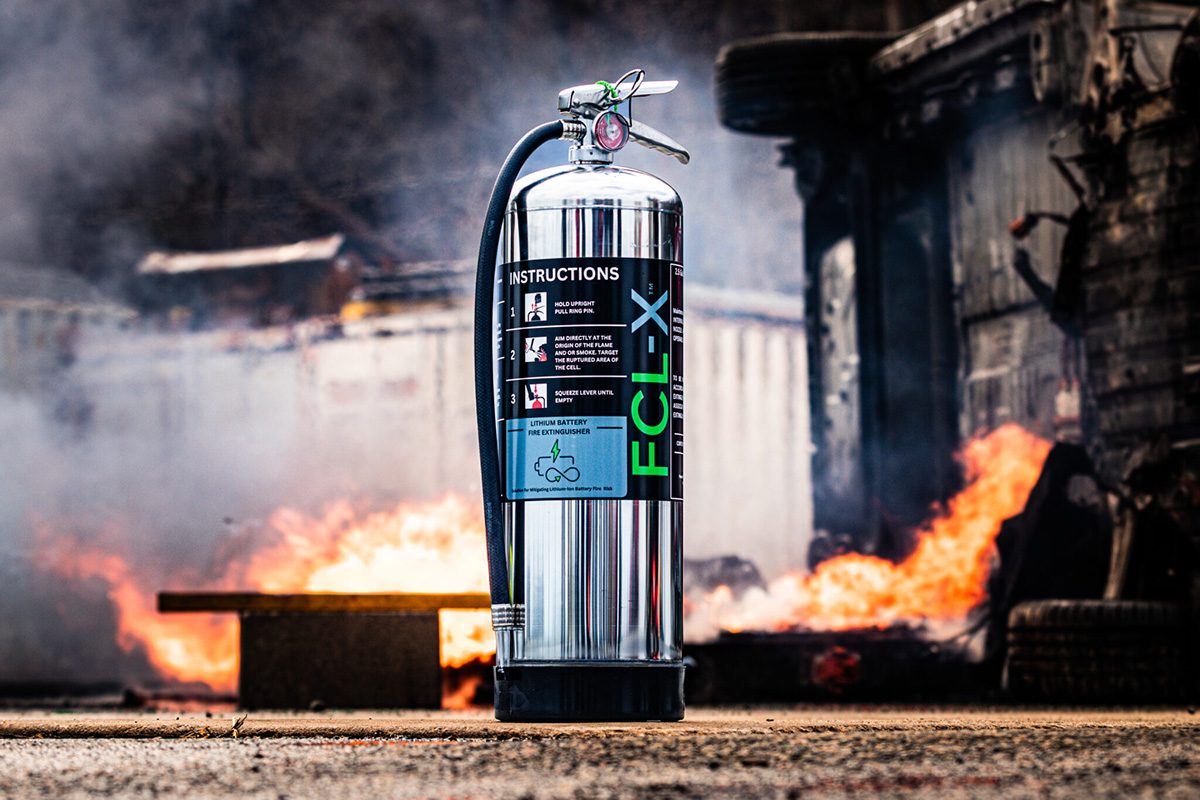
- Full Circle Lithium has secured its first commercial sale of FCL-X, a specialized lithium-ion battery fire extinguishing agent.
- A US-based waste management operator is the inaugural client, deploying FCL-X on-site to address escalating fire risks.
- The sale underscores a significant and growing threat: lithium-ion battery fires are increasingly prevalent in landfills, recycling facilities, and waste collection systems across North America.
- Industry data indicates over 5,000 recycling facility fires annually worldwide, with many linked to these batteries, alongside an estimated 2,400 waste facility fires in the US and Canada in 2022.
- FCL-X is engineered to counteract thermal runaway, rapidly suppressing intense heat, toxic gases, and critical reignition risks, offering a purpose-built solution where traditional methods often fail.
Addressing a Critical Industry Challenge: First Commercial Deployment of FCL-X
In a significant development for waste management safety, US-based Full Circle Lithium has announced the first commercial sale of its innovative FCL-X extinguishing agent. This specialized solution, designed to combat volatile lithium-ion battery fires, has been acquired by a prominent US waste management operator for immediate on-site deployment.

The groundbreaking transaction highlights an escalating crisis within the waste disposal sector. Lithium-ion batteries, ubiquitous in modern electronics and electric vehicles, are increasingly becoming a potent fire hazard across landfills, recycling facilities, and complex waste collection networks throughout North America.
The Escalating Threat of Lithium-Ion Battery Fires
The proliferation of lithium-ion batteries in consumer and industrial products has inadvertently introduced a significant safety challenge to waste streams. As these batteries enter the waste management ecosystem, they pose an elevated risk of spontaneous combustion, leading to severe and difficult-to-contain fires.
According to data released by Full Circle Lithium, the scale of this problem is substantial. Recycling facilities globally grapple with over 5,000 fires annually, a considerable portion of which are directly attributable to lithium-ion batteries. This alarming statistic underscores the urgent need for specialized fire suppression methods within the industry.

Further narrowing the focus to North America, the company estimates that approximately 2,400 waste facility fires occurred across the United States and Canada in 2022 alone. These figures paint a stark picture of the recurrent and destructive nature of these incidents, placing waste management operations and personnel at continuous risk.
Such incidents not only disrupt operations but also incur substantial financial losses, environmental damage, and potential harm to workers. The increasing volume of electronic waste, coupled with insufficient awareness or inadequate disposal methods for lithium-ion batteries, exacerbates this growing challenge for waste operators.
Understanding the Unique Dangers of Thermal Runaway
Lithium-ion battery fires are fundamentally different from conventional blazes, presenting unique challenges for suppression. The core mechanism driving these fires is known as thermal runaway – a rapid, self-sustaining chemical reaction that generates extreme heat within the battery cell.
This process results in temperatures far exceeding those of typical combustible materials, causing the fires to burn significantly hotter and spread much faster. Crucially, thermal runaway also produces highly flammable and toxic gases, posing severe health risks to those in the vicinity and complicating firefighting efforts.
One of the most insidious aspects of lithium-ion battery fires is their propensity for reignition. Even after initial suppression, internal chemical reactions can persist, leading to renewed combustion hours or even days later. This characteristic renders traditional extinguishing agents, such as water, largely ineffective as a standalone solution, as they often fail to address the underlying thermal runaway reaction.
The intense heat, rapid spread, emission of hazardous gases, and persistent reignition risk collectively make lithium-ion battery fires exceptionally challenging to control and extinguish using conventional fire response protocols and materials. This reality has spurred the development of specialized solutions like FCL-X.
FCL-X: A Targeted Solution for Lithium-Ion Battery Fires
In response to these complex and escalating threats, Full Circle Lithium developed FCL-X as a purpose-built fire extinguishing agent. The product is specifically engineered to confront the unique characteristics of lithium-ion battery fires, offering a more effective and safer response mechanism.
FCL-X’s primary design objective is to rapidly suppress the thermal runaway reactions at their source. By targeting the chemical process that drives these fires, the agent works to quickly reduce the intense heat generation and mitigate the potential for uncontrolled combustion.
Beyond initial suppression, a critical function of FCL-X is its ability to significantly reduce the risk of reignition. This feature is vital for ensuring long-term safety, allowing on-site personnel to manage and remove hazardous materials with greater confidence and reduced peril, thereby minimizing sustained threats after an incident.
The deployment of FCL-X by a waste management operator signifies a pivotal shift in how the industry approaches this burgeoning safety concern. It represents an investment in advanced technology to protect infrastructure, preserve valuable resources, and, most importantly, safeguard human lives.
Industry Leaders Emphasize Urgent Need for Effective Solutions
Commenting on the critical need for such innovations, Carlos Vicens, CEO of Full Circle Lithium, underscored the profound challenges faced by the waste sector. He stated, “Waste operators are facing a growing and costly threat with no effective solution, until now. FCL-X is purpose-built for this challenge and is quickly becoming the new standard in lithium-ion battery fire response.”
Vicens’ remarks highlight the previous void in truly effective fire suppression technologies tailored for lithium-ion battery incidents within waste facilities. The conventional approaches were proving inadequate against the unique chemical and thermal properties of these fires, leading to significant financial burdens and operational disruptions for waste management companies.
The company’s CEO emphasized FCL-X’s strategic design, directly addressing the specific hazards associated with battery fires. This direct approach positions FCL-X not merely as an alternative but as a potential benchmark for safety and response protocols in an industry increasingly exposed to these risks.
Broader Implications for Waste Management and Environmental Safety
The commercial adoption of FCL-X by a US waste management operator carries broader implications beyond immediate fire suppression. It signals a growing awareness and proactive stance within the industry to invest in advanced safety measures as the volume of discarded lithium-ion batteries continues to rise.
The effective management of lithium-ion battery fires is crucial not only for the safety of personnel and infrastructure but also for environmental protection. Uncontrolled fires can release hazardous fumes and leachates, contaminating air, soil, and water resources. Solutions like FCL-X offer a means to contain these risks more effectively, mitigating potential ecological damage.
As the world transitions towards electric vehicles and increasingly relies on portable electronic devices, the challenges of managing lithium-ion battery waste will only intensify. Innovations like FCL-X represent a vital step in establishing robust safety protocols and infrastructure necessary to support this technological shift responsibly.
This initial commercial sale marks a significant milestone for Full Circle Lithium and serves as a testament to the urgent need for specialized tools in addressing a complex and evolving hazard. It sets a precedent for how waste management operators can proactively protect their assets, employees, and the environment from the volatile nature of lithium-ion battery fires.
Frequently Asked Questions About Lithium-Ion Battery Fires and FCL-X
What makes lithium-ion battery fires particularly dangerous in waste facilities?
Lithium-ion battery fires are driven by thermal runaway, a self-sustaining chemical reaction. They burn hotter and faster than traditional fires, emit toxic gases, and pose a high risk of reignition hours or even days later. This makes them extremely difficult to suppress with conventional methods like water, jeopardizing personnel and operations in landfills and recycling centers.
How prevalent are lithium-ion battery-related fires in waste management?
The problem is significant and growing. Full Circle Lithium reports over 5,000 fires annually at recycling facilities internationally, with many linked to lithium-ion batteries. In 2022 alone, an estimated 2,400 waste facility fires occurred in the US and Canada, highlighting a widespread and costly threat to waste management infrastructure.
What is FCL-X and how does it work to combat these fires?
FCL-X is a specialized fire extinguishing agent developed by Full Circle Lithium, purpose-built for lithium-ion battery fires. It functions by rapidly suppressing thermal runaway reactions, which are the root cause of these fires. This action effectively reduces the intense heat, mitigates the release of toxic gases, and crucially, lowers the risk of reignition, ensuring safer handling.
Why are traditional fire extinguishing methods ineffective against lithium-ion battery fires?
Traditional methods like water often fail because they do not adequately address the internal chemical reaction of thermal runaway. While water can cool the exterior, it may not stop the internal heating and can even exacerbate certain situations or simply delay reignition, making it an insufficient solution for the complex nature of these fires.
What is the significance of FCL-X’s first commercial sale to a US waste management operator?
This first commercial sale signifies a crucial step in providing an effective solution to a long-standing and escalating problem. It demonstrates that waste operators are recognizing the unique threats posed by lithium-ion batteries and are actively seeking purpose-built technologies like FCL-X to enhance safety, protect assets, and ensure operational continuity.
How does FCL-X contribute to the safety of on-site personnel?
By rapidly suppressing thermal runaway and significantly reducing the risk of reignition, FCL-X enables safer handling of damaged or burning lithium-ion batteries. This controlled environment minimizes exposure to extreme heat and toxic gases, allowing personnel to manage incident sites more securely and effectively without prolonged danger.