
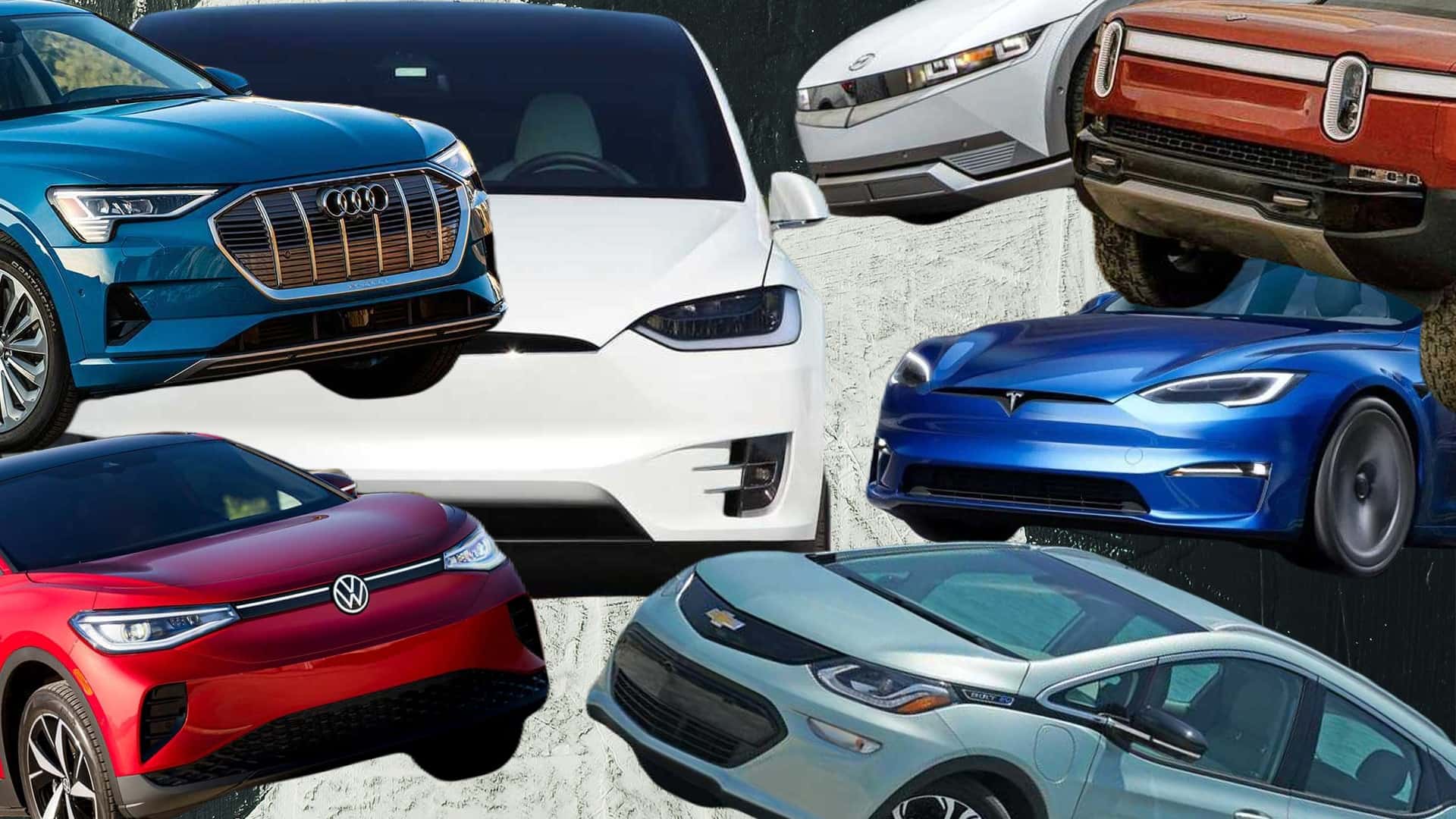
As the automotive landscape rapidly evolves, the market for pre-owned electric vehicles (EVs) is experiencing an unprecedented surge. Far from the ‘EV-apocalypse’ some predicted, the secondhand EV sector has established new records, prompting a re-evaluation of long-held concerns regarding electric car battery health and long-term viability. This comprehensive guide delves into the realities of used EV battery performance in 2026, offering crucial insights for prospective buyers.
Key Takeaways:
- The used EV market is booming, with March 2026 setting a new monthly sales record of nearly 43,000 secondhand electric cars.
- Concerns about significant EV battery degradation are largely unfounded, especially for modern vehicles.
- Recurrent data, based on over 1 billion miles of electric driving, shows average EVs retain 97% of original range after three years and 95% after five years.
- Full EV battery failures are rare, with a reported 0.3% replacement rate among modern EVs.
- Factors like high gas prices, increasing supply of off-lease vehicles, and superior value compared to used combustion cars are driving demand.
- Savvy buyers can find excellent deals, particularly on vehicles where battery replacement under warranty has occurred.
The Unexpected Boom in Secondhand Electric Vehicles
Contrary to prevailing anxieties about the longevity and performance of electric vehicle powertrains, the market for used EVs is currently flourishing. Data from March of this year reveals a significant milestone, with nearly 43,000 secondhand electric cars exchanging hands – a new monthly record that underscores a robust and growing demand.

This remarkable trend surprised many industry observers. Scott Case, cofounder and CEO of Recurrent, a leading startup dedicated to tracking used EV battery health, encapsulated this sentiment, stating, “That was on no one’s bingo card.” He added, “September 30th of last year, all the rebates run out, and that’s it. We’re supposed to be in EV-apocalypse land right now.” Yet, the market narrative has decisively shifted.
Dispelling Myths: The Realities of EV Battery Degradation
A primary deterrent for many potential used EV buyers has historically been the apprehension surrounding battery degradation. The fear that an electric vehicle’s range would diminish rapidly over time, rendering it impractical or costly to maintain, has been a significant barrier. However, extensive research and real-world data are effectively debunking these long-standing myths.
Recurrent’s comprehensive analysis, which spans over six years and encompasses more than a billion miles of electric driving across tens of thousands of vehicles, provides a clear and authoritative perspective on used EV battery health. Case’s findings offer a reassuring outlook for those considering a pre-owned electric car. He states unequivocally that “EVs, especially modern ones, tend to retain their initial range very well over years of normal use.”

Empirical Data on Battery Performance
The detailed insights from Recurrent’s vast dataset paint a picture of resilience and durability in modern EV batteries. The average electric vehicle demonstrates remarkable stability in its range capacity.
Specifically, Recurrent’s data indicates that the average EV retains an impressive 97% of its original range after three years of ownership. This minimal decline continues, with vehicles typically holding onto 95% of their initial range even after five years on the road. This sustained performance challenges the notion of rapid and severe range loss.
While environmental factors and charging habits can introduce some variance, Case emphasizes that “in general the variance in battery health for EVs that are a few years old is pretty tight.” This suggests that outliers with significantly degraded batteries are uncommon, further solidifying the case for investing in a used EV.
Manufacturer Strategies for Longevity
It is important to note that while batteries do degrade chemically over time, this process is often managed by manufacturers to maintain a consistent user experience. Many electric models, in fact, initially exceed their EPA range ratings and continue to do so even after several years of use.
Recurrent’s research highlights that brands like Cadillac, Ford, Hyundai, Mercedes-Benz, and Rivian show no observable range loss after three years. This impressive retention is partly attributed to sophisticated battery management systems and, in some cases, the inclusion of “hidden battery buffers” by manufacturers. These buffers ensure that the driver’s perceived range remains consistent, masking the subtle, natural degradation that occurs beneath the surface.
Factors Influencing Battery Longevity
While the overall outlook for used EV battery health is positive, certain operational conditions can influence the rate of degradation. Case identifies two primary factors:
- Climate: Operating an EV in an exceptionally hot climate can potentially accelerate battery aging. Extreme heat places additional stress on battery components, which can lead to a more pronounced decline in capacity over time.
- Fast-Charging Frequency: While convenient, frequent reliance on DC fast-charging can also contribute to quicker degradation. The high power input generates more heat, which, when coupled with repeated cycles, can impact battery health.
Despite these influencing factors, the overall data suggests that for the vast majority of drivers under typical usage conditions, battery performance remains robust and reliable for many years.
Driving Forces Behind the Used EV Demand
The burgeoning interest in secondhand electric cars is not merely a phenomenon of changing perceptions; it is driven by several tangible economic and practical factors, making a used EV an increasingly attractive option for consumers.
Market Dynamics and Affordability
A significant contributor to the current market boom is the growing supply of modern, off-lease electric vehicles. As early adopters’ leases expire, a fresh influx of relatively new EVs with advanced battery technology enters the used market, offering more options at competitive price points.
Additionally, broader economic pressures play a role. Scott Case observed, “high gas prices tend to push buyers from the new market into the used one.” This economic incentive makes the lower running costs associated with EVs particularly appealing. He even made a wry comment, “I can’t believe I’m thanking the Trump administration for accelerating the EV transition, but that’s exactly what they’re doing.”
Superior Value Proposition
Another major driver is the evolving perception of value. Case notes that “People are recognizing that they can get a better, newer car if they choose an EV over a used combustion vehicle.” This comparison highlights that, dollar for dollar, a used EV often offers more advanced technology, lower maintenance costs, and a more modern driving experience than a similarly priced internal combustion engine (ICE) vehicle.
Furthermore, initial uncertainties surrounding used EV battery health have, paradoxically, created opportunities. The market’s cautious approach to used EV values means that depreciation has been somewhat steeper for electric vehicles. This depreciation, however, translates into “great deals” for informed buyers, allowing them to acquire a high-quality vehicle at a more accessible price point.
Rare Failures and Hidden Opportunities
Beyond the general robustness of used EV battery health, there are specific scenarios that can offer exceptional value to discerning buyers. The incidence of full-on EV battery failures remains remarkably low, further bolstering confidence in pre-owned electric models.
Extremely Low Battery Replacement Rates
Recurrent’s extensive tracking reveals a critical statistic: a mere 0.3% battery-replacement rate among modern EVs. This figure underscores the exceptional reliability of these advanced power units, challenging any lingering fears about catastrophic failures. As Case rightly pointed out, “This is new technology relative to combustion engine cars, so I think the fear is just way overblown compared to the reality of what actually happens.” This perspective emphasizes that the unknown nature of new technology often breeds unwarranted apprehension, which data now dissipates.
The Hidden Gem of Warranty Replacements
For the astute buyer, a used EV with a documented battery replacement can represent an extraordinary deal. If a battery pack has failed and been replaced under warranty, it effectively means the vehicle receives a new power unit, significantly extending its usable life and restoring its original performance capabilities.
Case passionately advocates for seeking out such vehicles: “It’s rare but if you can identify that there’s a car that’s five or six or seven years old that got a battery replacement a year earlier, that’s an incredible deal.” Such a scenario offers a nearly-new battery in an otherwise depreciated vehicle, combining the benefits of a lower purchase price with the assurance of peak battery performance for many more years.
Making an Informed Used EV Purchase
For prospective buyers aiming to navigate the used EV market effectively, focusing on certain checkpoints related to used EV battery health is paramount:
- Battery Health Reports: Seek out vehicles that come with battery health reports from reputable third-party services like Recurrent, or diagnostics from authorized dealerships. These reports can provide a concrete measure of the battery’s current state of charge (SoC) and state of health (SoH).
- Vehicle History: A comprehensive service history can reveal patterns of charging, previous issues, or any warranty claims, including battery replacements. This information is invaluable in assessing the vehicle’s past life and potential longevity.
- Charging Habits: While harder to ascertain directly, understanding the previous owner’s typical charging habits (e.g., frequent fast-charging vs. primarily home charging) can offer clues about potential stress on the battery.
- Warranty Status: Check the remaining battery warranty. Most EV manufacturers offer extensive warranties on their batteries, typically 8 years or 100,000 miles, providing a crucial safety net for buyers.
The Future Outlook for Used EVs
The trajectory of the used EV market points towards continued growth and increasing mainstream acceptance. As battery technology advances, becoming more efficient, durable, and cost-effective, the value proposition of pre-owned electric vehicles will only strengthen. The ongoing development of robust diagnostic tools and services dedicated to assessing used EV battery health further empowers consumers, fostering greater confidence in their purchasing decisions.
The notion of significant, rapid battery degradation in electric vehicles is being steadily relegated to the realm of outdated concerns. The data clearly demonstrates that modern EV batteries are built to last, providing reliable and extensive service over many years. This shift in understanding, coupled with compelling economic advantages, positions used EVs as an exceptionally smart and sustainable choice for a growing number of drivers in 2026 and beyond.
FAQ Section
Q1: Is it safe to buy a used EV with concerns about battery degradation?
A1: Yes, it is generally safe. Extensive data from sources like Recurrent shows that modern EV batteries retain their range exceptionally well, with an average of 95% after five years. Fears about rapid degradation are largely overblown compared to real-world performance.
Q2: How much range does a used EV typically lose over time?
A2: On average, an EV retains 97% of its original range after three years and 95% after five years. Some newer models from manufacturers like Cadillac, Ford, Hyundai, Mercedes-Benz, and Rivian show no observable range loss within the first three years.
Q3: Do extreme temperatures or fast-charging significantly impact used EV battery health?
A3: While exceptionally hot climates and frequent fast-charging can have a minor impact on battery degradation over time, the overall variance in battery health for most EVs remains tight. These factors do not typically lead to drastic range loss for modern vehicles.
Q4: How often do EV batteries need replacement?
A4: Battery failures are extremely rare in modern EVs. Recurrent data indicates a very low 0.3% battery-replacement rate. Most manufacturer warranties for EV batteries extend for 8 years or 100,000 miles, providing long-term assurance.
Q5: Can I get a good deal on a used EV with a replaced battery?
A5: Absolutely. A battery replaced under warranty functions like a brand-new unit, significantly extending the car’s usable life. Identifying a five-to-seven-year-old EV with a recent battery replacement can be an “incredible deal,” offering renewed performance at a depreciated vehicle price.
Q6: What should I look for when checking the used EV battery health of a pre-owned electric car?
A6: Look for third-party battery health reports or dealership diagnostics. Check the vehicle’s service history for any past issues or warranty claims, especially for battery-related repairs. Also, verify the remaining manufacturer’s battery warranty for peace of mind.
Q7: Why are used EVs becoming so popular, despite concerns?
A7: Increased supply of off-lease vehicles, high petrol prices, and the recognition that used EVs often offer better value and a more modern driving experience than comparable used combustion vehicles are key drivers. The debunking of battery degradation myths also plays a crucial role.