
Key Takeaways:
- Morrow Batteries has officially commenced deliveries of lithium iron phosphate (LFP) battery cells to Finnish technology firm Proventia.
- This crucial development signifies a substantial step forward for European LFP battery cell production, enhancing regional supply chain resilience.
- The long-term agreement, extending through 2031, focuses on supplying prismatic LFP cells for Proventia’s battery modules and packs, primarily for off-highway and industrial applications.
- Proventia anticipates making its first customer deliveries featuring Morrow’s cells within the first half of the current year.
- Morrow is concurrently scaling up its production capacity at its Arendal, Norway, facility, alongside efforts to stabilize and optimize manufacturing processes.
- The partnership includes deep technical collaboration aimed at optimizing battery performance and ensuring reliability in demanding operational environments.
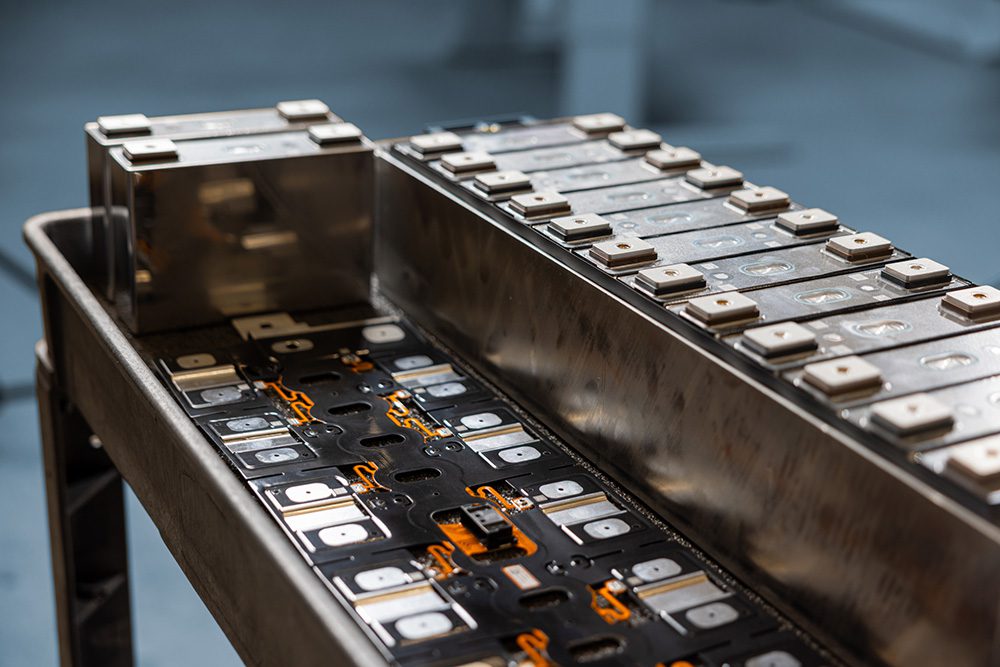
In a significant development for Europe’s evolving battery landscape, Norway-based Morrow Batteries has begun commercial deliveries of lithium iron phosphate (LFP) battery cells to Proventia, a prominent Finnish technology company. This marks a pivotal moment for European LFP battery cell production, as Morrow scales up its manufacturing operations at its state-of-the-art facility in Arendal, Norway, targeting industrial clientele.

The commencement of these deliveries underpins a long-term strategic agreement between Morrow and Proventia. This partnership is designed to ensure a consistent supply of prismatic LFP cells, which are integral to Proventia’s advanced battery modules and packs. These specialized solutions are extensively utilized across various off-highway and demanding industrial applications, where performance and durability are paramount.
The supply contract is slated to run through 2031, providing a stable foundation for both companies over nearly a decade. Critically, the agreement includes provisions for the future integration of additional cell chemistries as they mature and become commercially viable. This flexibility positions the collaboration to adapt to future technological advancements in the dynamic battery market.
A Strategic Alliance for Industrial Power Solutions
The collaboration between Morrow Batteries and Proventia extends beyond mere cell supply, encompassing a robust framework of technical cooperation. This includes intricate optimization processes at both module and pack levels, comprehensive validation work, and a shared, unwavering focus on achieving superior performance and reliability. These efforts are particularly vital given the often-harsh operating environments characteristic of off-highway and industrial machinery.

Proventia is set to integrate Morrow’s newly supplied cells into its products, with initial customer deliveries anticipated in the first half of this year. This rapid deployment underscores the readiness and quality of Morrow’s cells, meeting the stringent demands of industrial applications.
Meanwhile, Morrow is committed to an aggressive ramp-up of its production capacity in the coming months. This expansion is coupled with continuous efforts to further stabilize and optimize its intricate manufacturing processes, ensuring consistent quality and volume as the demand for European LFP battery cell production grows.
Scaling Production Amidst Industry Challenges
Building and scaling competitive battery production facilities presents a complex array of challenges, from technological hurdles to operational efficiencies. Morrow’s journey reflects the realities of this intensive industrial undertaking. The company’s acting CEO, Jon Fold von Bülow, acknowledged these complexities, emphasizing the long-term commitment required.
“This is an important milestone for Morrow. At the same time, the situation remains challenging, and there are no shortcuts to building stable and competitive battery production. It takes time to scale up production, improve processes, and consistently deliver the quality our customers expect. In Arendal, we are now producing cells that are being put into use by customers with high requirements for quality, performance and reliability of supply,” stated Jon Fold von Bülow, Acting CEO of Morrow.
This statement highlights the iterative nature of establishing advanced manufacturing capabilities. The Arendal factory is not just producing cells but is actively delivering them to customers with rigorous quality and performance benchmarks, marking a tangible success in Morrow’s operational development.
Proventia’s Drive for Secure European Sourcing
For Finnish technology leader Proventia, securing a reliable supply of battery cells produced within Europe is becoming an increasingly critical strategic imperative. This trend is driven by multiple factors, including the overarching need for enhanced supply security and the quest for long-term competitiveness in a rapidly evolving global market.
Jari Granath, Product Manager at Proventia, articulated this strategic advantage. “Access to battery cells produced in Europe is becoming increasingly important for our customers, both from a supply security perspective and for future competitiveness,” he remarked. This emphasis on regional sourcing aligns with broader European initiatives aimed at strengthening domestic industrial capabilities and reducing dependence on distant supply chains.
Furthermore, Granath underscored the collaborative benefits: “Working with Morrow gives us a strong technology partner with the flexibility and industrial mindset needed to support demanding customer projects.” This partnership offers Proventia not just cells, but a technical ally capable of adapting to complex project requirements and delivering tailored solutions.
The Rising Prominence of LFP Technology
Lithium Iron Phosphate (LFP) battery chemistry has gained substantial traction across various sectors, especially in industrial and commercial applications. LFP cells are lauded for their inherent safety, longer cycle life, and lower cost compared to other lithium-ion chemistries such as NMC (Nickel Manganese Cobalt).
These characteristics make LFP an ideal choice for off-highway vehicles, industrial machinery, and stationary energy storage systems, where robustness, reliability, and cost-effectiveness are crucial. The adoption of LFP technology also contributes to more sustainable energy solutions, aligning with global efforts towards decarbonisation and greener industrial practices. Morrow’s focus on European LFP battery cell production directly addresses this growing market need.
The choice of prismatic LFP cells further enhances the appeal for industrial integration. Prismatic cells offer excellent volumetric efficiency, simplified thermal management, and robust packaging, which are significant advantages for assembling large-scale battery modules and packs used in demanding environments.
Strengthening Europe’s Battery Ecosystem and Supply Chain
The initiation of battery cell deliveries by Morrow Batteries represents more than just a commercial transaction; it signifies a vital step in reinforcing Europe’s nascent battery ecosystem. The continent has been actively pursuing strategies to establish a resilient and independent battery supply chain, reducing its reliance on imports and fostering local innovation.
Projects like Morrow’s Arendal factory are central to this ambition, contributing to the development of a localized manufacturing base that can support the rapid electrification of transportation and industrial sectors. This strengthens regional autonomy in critical technologies, mitigates geopolitical risks, and ensures closer proximity between producers and consumers.
The growth of European LFP battery cell production facilities also generates significant economic benefits, including job creation, investment in advanced manufacturing, and the cultivation of specialized technical expertise. This fosters a self-sustaining innovation loop within the region, accelerating technological progress.
Future Horizons: Evolving Cell Chemistries and Market Dynamics
The long-term agreement’s flexibility to incorporate additional cell chemistries is a forward-looking aspect that positions both Morrow and Proventia for future growth. The battery technology landscape is dynamic, with continuous advancements in materials and formulations aimed at improving energy density, power output, safety, and cost.
This foresight allows Morrow to diversify its product portfolio as new chemistries become viable, ensuring it remains at the forefront of battery innovation. For Proventia, it guarantees access to cutting-edge cell technology, enabling them to continuously enhance their battery modules and packs to meet evolving customer demands and market trends.
As the electric vehicle (EV) market and industrial electrification expand, the demand for high-performance and cost-effective battery solutions will only intensify. Companies like Morrow, focused on strategic **European LFP battery cell production**, are key players in shaping this future.
Conclusion
Morrow Batteries’ successful commencement of LFP battery cell deliveries to Proventia marks a significant operational and strategic achievement. It underscores the ongoing progress in establishing robust European LFP battery cell production capabilities, critical for the continent’s industrial future and energy transition.
The partnership not only provides Proventia with a secure and technologically advanced European source for LFP cells but also highlights Morrow’s growing ability to meet stringent industrial demands. This collaboration reinforces Europe’s broader ambition to build a self-sufficient and innovative battery supply chain, paving the way for sustainable industrial growth and technological independence in the years to come.
Frequently Asked Questions (FAQ)
What is the significance of Morrow Batteries’ cell deliveries to Proventia?
These deliveries mark a crucial milestone in establishing robust European LFP battery cell production. It signifies Morrow’s successful transition from development to commercial supply for industrial customers, enhancing regional supply chain security and supporting the electrification of off-highway and industrial applications.
What type of battery cells is Morrow supplying to Proventia?
Morrow is supplying prismatic Lithium Iron Phosphate (LFP) battery cells. LFP chemistry is highly valued for its safety, long cycle life, and cost-effectiveness, making it ideal for demanding industrial and off-highway applications where reliability and durability are paramount.
How long is the agreement between Morrow Batteries and Proventia?
The long-term agreement between Morrow Batteries and Proventia is set to run through 2031. This extended timeframe provides a stable and strategic partnership for both companies, ensuring a consistent supply of advanced battery cells for Proventia’s products.
What are the primary applications for Proventia’s battery modules using Morrow’s cells?
Proventia’s battery modules and packs, incorporating Morrow’s LFP cells, are primarily designed for off-highway and various industrial applications. These sectors require robust, high-performance battery solutions capable of operating reliably in challenging and demanding environments.
Why is ‘European LFP battery cell production’ important for Proventia?
Access to battery cells produced in Europe is increasingly vital for Proventia to ensure supply security for its customers and maintain future competitiveness. It reduces reliance on external supply chains, mitigates geopolitical risks, and supports sustainability goals by localizing production.
When does Proventia expect to deliver its first products with Morrow’s cells?
Proventia anticipates commencing its first customer deliveries of batteries utilizing Morrow’s cells within the first half of the current year. This indicates a swift integration process and highlights the readiness of the cells for commercial deployment in demanding industrial settings.
What challenges is Morrow facing in scaling up production?
Morrow’s Acting CEO, Jon Fold von Bülow, acknowledged that building stable and competitive battery production takes time. The company is actively working to scale up production capacity, improve complex manufacturing processes, and consistently deliver the high quality and reliability that industrial customers expect.