
Key Takeaways:
- Nivalis Energy Systems has acquired European manufacturer SolarEdge e-Mobility to accelerate the electrification of Transport Refrigeration Units (TRUs).
- The acquisition provides Nivalis with advanced engineering and R&D capabilities, including a third-generation platform featuring battery storage, rooftop solar PV, and regenerative e-axle technology.
- This strategic move enables Nivalis to expand its market presence into Europe, leveraging SolarEdge’s established network.
- The deal underscores the growing commercial and operational viability of electrified refrigeration, moving away from expensive, diesel-dependent cold chain solutions.
- Government incentives in North America are significantly supporting the transition, covering up to 100% of system costs in some regions.
Nivalis Energy Systems Acquires SolarEdge e-Mobility, Propelling Electrified Transport Refrigeration Units Forward
In a significant move poised to redefine sustainable cold chain logistics, Nivalis Energy Systems has announced its acquisition of SolarEdge e-Mobility, a prominent European manufacturer specializing in electrified trailers. This strategic integration is set to accelerate the development and deployment of advanced electrified transport refrigeration units (TRUs), marking a crucial step towards decarbonizing global cold chain operations.

The acquisition, effective May 1, 2026, consolidates Nivalis’s leadership in electrified refrigerated transport solutions. It aims to address the long-standing challenge of diesel dependence in the cold chain sector, offering fleets a more environmentally friendly and economically viable alternative.
The Imperative for Electrified Transport Refrigeration Units
Transport Refrigeration Units (TRUs) have historically relied on inefficient diesel generators, making them significant contributors to carbon emissions and operational costs within the logistics sector. However, these units present a compelling use case for electrification, primarily due to the frequent availability of shore power at loading and unloading sites. This inherent advantage facilitates the operation of electric TRUs (eTRUs), reducing reliance on fossil fuels.
Electrifying TRUs offers multiple benefits beyond environmental stewardship. It leads to reduced fuel consumption, lower maintenance requirements, and quieter operations, particularly in urban areas. These factors collectively enhance operational efficiency and contribute to improved air quality, aligning with global sustainability goals.

Nivalis’s Commitment to Sustainable Cold Chain
Nivalis Energy Systems has emerged as a key innovator in developing electrified refrigerated transport solutions. The company’s mission is to facilitate a seamless transition for fleets from conventional diesel-powered TRUs to advanced electric alternatives. Nivalis products are meticulously designed for both retrofit applications on existing trailers and integration into new trailer builds, ensuring broad compatibility across various trailer sizes and operational demands.
Since 2023, Nivalis has been deploying its commercially available TRU-Power solution across North American grocery and logistics operations. This innovative system provides electrically powered refrigeration through a robust battery system. Its integrated architecture empowers refrigerated trailers to operate for extended periods with minimal dependence on grid charging, offering operational flexibility and reliability.
Strategic Synergy: Integrating SolarEdge e-Mobility’s Expertise
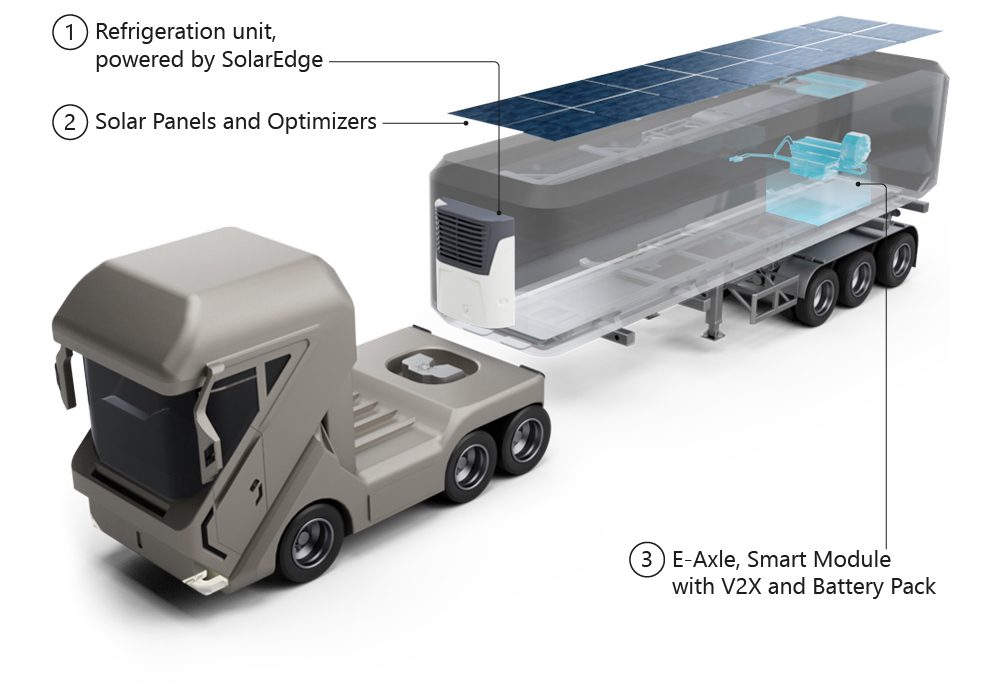
The acquisition of SolarEdge e-Mobility represents a pivotal moment for Nivalis. SolarEdge e-Mobility brings a wealth of engineering prowess and advanced research and development capabilities, particularly in the realm of electrified trailers. This expertise includes a cutting-edge third-generation platform that intricately combines battery storage, rooftop solar photovoltaic (PV) technology, and regenerative e-axle systems.
This integration of technologies is expected to create highly efficient and self-sustaining electrified transport refrigeration units. The combination of Nivalis’s proven TRU-Power solution with SolarEdge’s advanced platform will enable the development of next-generation systems capable of extended range, enhanced energy recovery, and reduced charging infrastructure dependency.
Expanding European Reach and Market Presence
Beyond technological enhancements, the acquisition provides Nivalis with an invaluable gateway to the European market. SolarEdge e-Mobility’s established presence and extensive service network across Europe will enable Nivalis to rapidly expand its operations and deploy its electrified transport refrigeration units to a broader customer base.
This geographic expansion is critical for Nivalis’s growth trajectory, positioning it as a global leader in sustainable cold chain logistics. The move allows the company to tap into Europe’s burgeoning demand for green transportation solutions and stringent emission regulations, further cementing its international footprint.
Addressing the Economic and Operational Viability of Electrified Refrigeration
Sam Plunkett, CEO of Nivalis Energy Systems, articulated the current landscape, stating, "Refrigerated transport has remained a major diesel-dependent element of the cold chain. Diesel-powered refrigeration systems are expensive to maintain, expensive to operate and increasingly difficult to justify." His statement underscores the significant operational and financial burdens associated with traditional diesel TRUs, including fluctuating fuel costs, complex maintenance schedules, and stricter environmental compliance requirements.
Plunkett further emphasized the industry’s evolution: "The challenge is no longer proving that electrified refrigeration can work—it’s helping fleets understand how commercially and operationally viable these systems have now become." This sentiment highlights a critical shift in the market, where the focus has moved from technological feasibility to demonstrating the tangible economic benefits and seamless operational integration of electrified transport refrigeration units.
Government Incentives Driving Adoption
The transition to electrified refrigeration is also receiving substantial impetus from governmental bodies. Nivalis reports that various government incentives in specific regions of North America are playing a crucial role in accelerating adoption. These incentives can be highly impactful, in some cases supporting up to 100% of the cost of electrified refrigeration systems.
Such significant financial backing reduces the initial capital outlay for fleets, making the switch to eTRUs more accessible and attractive. These programs are vital in de-risking investments for logistics companies and promoting wider uptake of sustainable technologies in the cold chain sector.
The Future of Sustainable Cold Chain Logistics
The acquisition of SolarEdge e-Mobility by Nivalis Energy Systems marks a pivotal moment in the evolution of sustainable cold chain logistics. By combining Nivalis’s established electrified TRU solutions with SolarEdge’s advanced R&D and European market access, the new entity is poised to drive significant advancements in efficiency, environmental performance, and operational cost savings.
As global supply chains continue to demand reliable and environmentally responsible solutions, the expanded capabilities of Nivalis are expected to accelerate the widespread adoption of electrified transport refrigeration units, paving the way for a greener, more sustainable future in freight transport.
Frequently Asked Questions (FAQ)
What are Transport Refrigeration Units (TRUs)?
Transport Refrigeration Units (TRUs) are mobile refrigeration systems used in trucks, trailers, and shipping containers to maintain specific temperatures for perishable goods during transit. Traditionally, these units are powered by diesel generators, but there’s a growing shift towards electrified versions for environmental and economic benefits.
Why is electrifying TRUs important for the cold chain?
Electrifying TRUs significantly reduces greenhouse gas emissions, noise pollution, and operational costs associated with diesel engines. It aligns with global sustainability goals, enhances air quality, and leverages readily available shore power at logistics hubs, making cold chain operations more efficient and environmentally responsible.
What is Nivalis Energy Systems’ primary offering?
Nivalis Energy Systems develops electrified refrigerated transport solutions, primarily its TRU-Power system. This battery-powered refrigeration unit is designed for both new and retrofit trailer applications, allowing refrigerated trailers to operate electrically for extended periods with minimal grid reliance, supporting diverse operational requirements.
What does SolarEdge e-Mobility bring to Nivalis?
SolarEdge e-Mobility, a European manufacturer of electrified trailers, contributes advanced engineering and R&D expertise to Nivalis. This includes a third-generation platform integrating battery storage, rooftop solar PV, and regenerative e-axle technology, enhancing the efficiency and sustainability of Nivalis’s electrified transport refrigeration units.
How will Nivalis benefit from this acquisition in Europe?
The acquisition grants Nivalis immediate access to the European market. SolarEdge e-Mobility’s established market presence and extensive service network in Europe will enable Nivalis to swiftly expand its reach, deploy its advanced eTRU solutions, and capitalize on the continent’s strong demand for sustainable logistics technologies.
What are the economic advantages of switching to electrified TRUs?
Switching to electrified TRUs offers substantial economic advantages, including reduced fuel costs, lower maintenance expenses compared to diesel units, and potential eligibility for significant government incentives. These factors contribute to a lower total cost of ownership and improved operational viability for fleets.
Are there government incentives for adopting electrified refrigeration systems?
Yes, Nivalis reports that government incentives exist in certain parts of North America that can cover a significant portion, in some cases up to 100%, of the cost of electrified refrigeration systems. These programs are instrumental in encouraging fleets to transition to more sustainable and energy-efficient cold chain technologies.