
Key Takeaways (TL;DR):
- Monomyth Materials has acquired NanoGraf, a Chicago-based silicon anode company, integrating its SiOx technology with Monomyth’s synthetic graphite platform.
- The acquisition aims to establish a robust domestic supply chain for active lithium-ion anode materials, reducing reliance on foreign sources, particularly China.
- NanoGraf’s assets form M2Innovations, focusing on advanced battery materials and prototype cell development, complementing M2Graphite’s commercial-scale synthetic graphite production.
- This strategic move addresses China’s current dominance in both graphite and SiOx capacity, which account for over 90% and 60% of global supply, respectively.
- The combined entity is poised to enhance energy storage solutions for consumer electronics, military applications, and future electric vehicle (EV) markets.
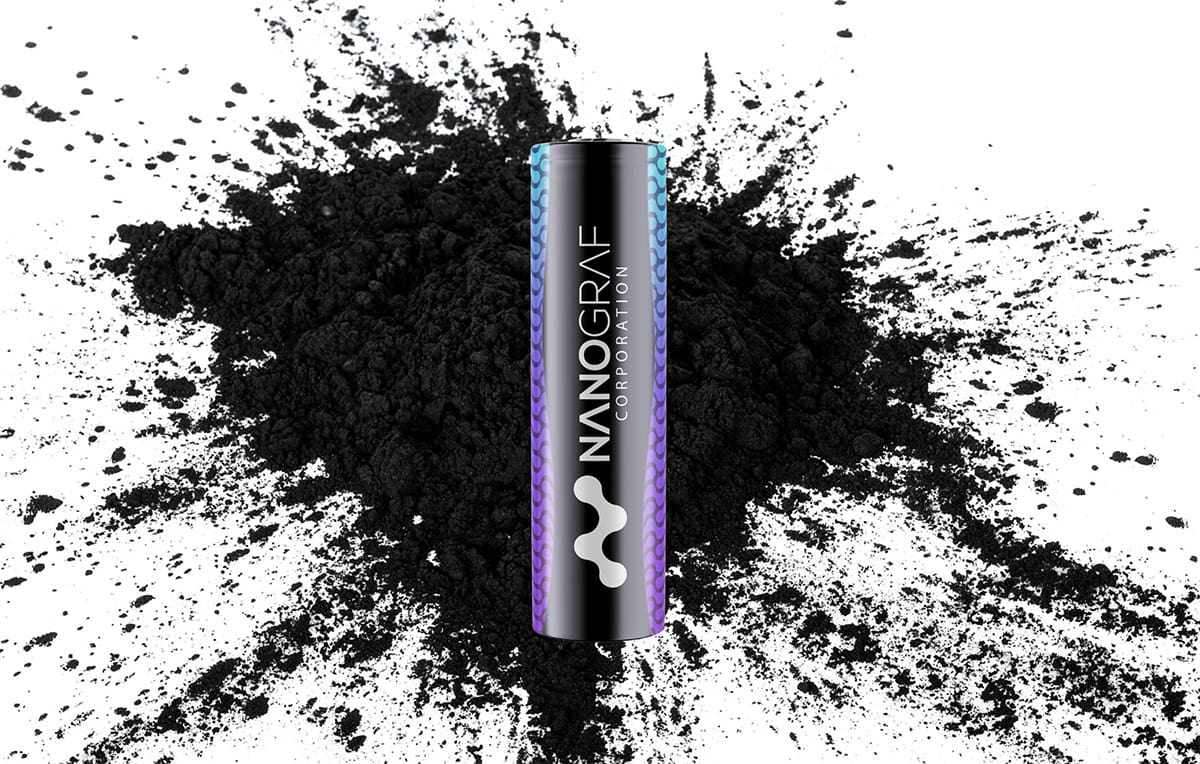
In a significant move poised to reshape the landscape of domestic battery material production, Monomyth Materials has announced the acquisition of NanoGraf, a pioneering company specializing in silicon anode technology. This strategic integration combines NanoGraf’s advanced SiOx (silicon oxide) capabilities, validated by federal defense and energy agencies, with Monomyth Materials’ established synthetic graphite business, formerly known as Anovion Technologies. The financial terms of the acquisition were not disclosed.

The acquisition marks a pivotal step towards fortifying a comprehensive, domestic supply chain for the critical active materials used in lithium-ion battery anodes. With both synthetic graphite and advanced silicon compounds forming the backbone of nearly all active anode materials, this consolidation directly addresses a pressing national and industrial need for supply chain resilience.
Strategic Integration for Advanced Battery Materials
Following the acquisition, NanoGraf’s assets will serve as the foundation for M2Innovations, a newly established subsidiary under Monomyth Materials. M2Innovations is mandated to spearhead research and development, prototype cell development, and pilot-scale production of advanced battery materials. This new entity will operate in synergy with M2Graphite, which is the rebranded commercial-scale production arm for synthetic graphite, previously known as Anovion Technologies.
This dual-pillar structure under Monomyth Materials – comprising M2Graphite for commercial synthetic graphite and M2Innovations for cutting-edge silicon anode technology and advanced materials – creates an integrated platform. This platform is designed to cover the full active anode stack, offering a cohesive solution for battery manufacturers seeking secure and high-performance materials.

Addressing Global Supply Chain Vulnerabilities
The imperative behind this acquisition is underscored by the current global reliance on a single dominant source for crucial battery components. Today, more than 90% of active anode material for lithium-ion batteries is sourced from China. Furthermore, China accounts for over 60% of the world’s silicon oxide (SiOx) capacity, a key component in advanced silicon anode technology.
This heavy concentration of supply in one geographical region presents significant geopolitical and economic vulnerabilities for industries worldwide, particularly for the rapidly expanding electric vehicle sector and critical defense applications. Monomyth Materials’ move aims to mitigate these risks by establishing robust domestic production capabilities.
NanoGraf’s silicon anode technology, specifically its SiOx formulation, has already demonstrated its efficacy and reliability. It is currently deployed in various consumer electronics and has received validation for military applications from federal defense and energy agencies, including the Department of Energy. This proven track record strengthens the potential for broader adoption in high-stakes sectors.
The Role of Silicon Anode Technology
Silicon anode technology is rapidly gaining prominence due to its potential to dramatically increase the energy density of lithium-ion batteries. Traditional graphite anodes have a theoretical capacity limit, whereas silicon can store significantly more lithium ions, leading to smaller, lighter batteries with longer ranges or runtimes.
The SiOx (silicon oxide) material used by NanoGraf represents an advanced iteration of silicon anode technology. It addresses some of the challenges associated with pure silicon, such as volume expansion during charging and discharging cycles, which can lead to material degradation and reduced battery life. SiOx often offers a balance between high energy density and improved cycling stability, making it a compelling material for next-generation batteries.
Integrating this high-performance silicon anode technology with large-scale synthetic graphite production positions Monomyth Materials to offer a superior, domestically sourced active anode material solution. This innovation is critical for the continuous improvement of electric vehicle performance, portable electronic devices, and advanced military equipment.
M2Graphite: A Foundation for Domestic Production
The synthetic graphite business, now rebranded as M2Graphite, has a significant operational history and investment behind it. It was originally assembled from graphite assets previously held by Amsted Industries and Pyrotek, with Amsted retaining a minority shareholder position in the new entity.
The primary manufacturing site for M2Graphite is located in Bainbridge, Georgia. This facility is envisioned as the first of several planned sites, indicating an ambitious expansion strategy for domestic synthetic graphite production. Monomyth Materials has demonstrated a substantial financial commitment to this platform, investing more than $100 million since 2022.
Further underscoring this commitment to scale and leadership in the domestic market, the company has planned three capital programs, each exceeding $1 billion. These substantial investments are critical for building the infrastructure and capacity necessary to meet future demand for high-quality, domestically produced active anode materials, including both synthetic graphite and increasingly, advanced silicon anode technology.
Leadership and Future Outlook
Francis Wang, who played a crucial role in leading NanoGraf through its significant growth phase, will transition to a position on the M2Innovations advisory board. His continued involvement ensures the preservation of expertise and continuity in the development and deployment of silicon anode technology within Monomyth Materials.
The combined expertise and resources of Monomyth Materials are set to create a robust and resilient supply chain for critical battery components. This strategic acquisition is not only about merging technologies but also about strengthening national economic security and fostering innovation in the energy storage sector. As the demand for electric vehicles and advanced portable power solutions continues to surge, a reliable, domestic source for high-performance battery materials becomes increasingly vital.
The investment in sophisticated manufacturing facilities and cutting-edge research, particularly in silicon anode technology, positions Monomyth Materials as a key player in defining the future of battery production, reducing global supply chain dependencies, and supporting the energy transition.
Frequently Asked Questions (FAQ)
Q1: What is the primary purpose of Monomyth Materials acquiring NanoGraf?
A1: The primary purpose is to integrate NanoGraf’s advanced SiOx silicon anode technology with Monomyth’s synthetic graphite platform. This aims to create a comprehensive, domestic supply chain for active lithium-ion battery anode materials, reducing reliance on foreign sources, particularly China.
Q2: What are SiOx silicon anodes and why are they important?
A2: SiOx (silicon oxide) silicon anodes are advanced battery materials that can significantly increase the energy density of lithium-ion batteries compared to traditional graphite. This allows for lighter, more powerful batteries, crucial for electric vehicles and high-performance electronics.
Q3: How will Monomyth Materials structure its operations after the acquisition?
A3: Monomyth Materials will operate with two main subsidiaries: M2Innovations, focusing on advanced battery materials and prototype cell development using NanoGraf’s assets, and M2Graphite (formerly Anovion Technologies), which handles commercial-scale production of synthetic graphite.
Q4: Why is reducing reliance on Chinese supply a key driver for this acquisition?
A4: China currently dominates the global supply of active anode materials (over 90%) and SiOx capacity (over 60%). This heavy concentration creates supply chain vulnerabilities, and the acquisition aims to establish domestic production for national security and economic resilience.
Q5: What is the significance of NanoGraf’s defense-validated IP portfolio?
A5: NanoGraf’s defense-validated intellectual property and technology, supported by federal agencies like the Department of Energy, indicates its high reliability and strategic importance. This validation underscores its potential for critical military applications and future defense-related energy storage needs.
Q6: What kind of investment has Monomyth Materials made in its graphite platform?
A6: Monomyth Materials has invested over $100 million in its synthetic graphite platform since 2022. Additionally, it has planned three future capital programs, each exceeding $1 billion, to further expand its domestic manufacturing capabilities.
Q7: Which industries stand to benefit most from this integrated battery material supply?
A7: Industries benefiting most include electric vehicles (EVs), consumer electronics, and military applications. The enhanced domestic supply of high-performance anode materials will support innovation and production in these critical sectors.