
Key Takeaways:
- Blink Charging is significantly expanding its electric vehicle (EV) charging network with 14 new high-speed sites.
- This expansion marks a strategic pivot for Blink, embracing Kempower’s distributed EV charging systems over traditional all-in-one units.
- Two initial locations are already operational in Colorado and Idaho, with further deployments planned across the US East Coast throughout 2026.
- The move to distributed systems is driven by their enhanced flexibility, intelligent power allocation capabilities, and superior reliability.
- Kempower Power Units can deliver up to 1200 kW, efficiently serving multiple Satellite dispensers simultaneously.
- Blink emphasizes the importance of both advanced technology and comprehensive training for ensuring long-term site performance and user satisfaction.
Blink Charging Shifts Strategy with Major Infrastructure Rollout
Blink Charging, a prominent provider of electric vehicle (EV) charging solutions, has announced a substantial expansion of its burgeoning EV charging infrastructure. This strategic initiative involves the deployment of state-of-the-art distributed EV charging systems across 14 new locations, marking a pivotal moment in the company’s network development.

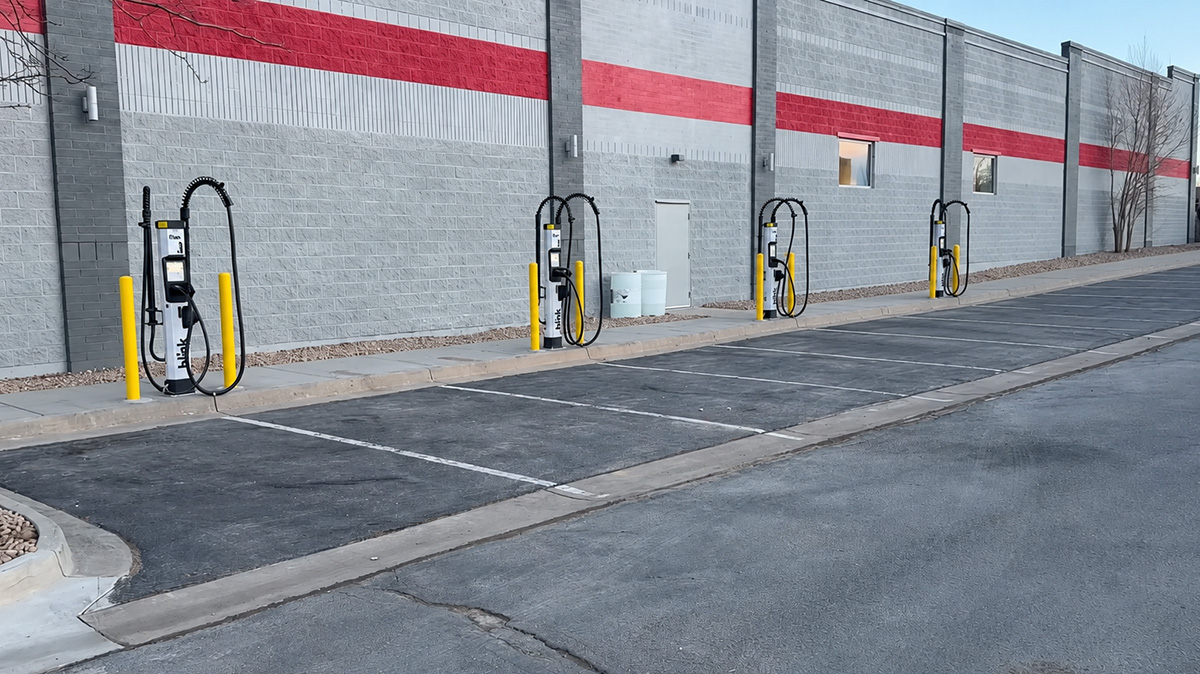
The first two sites, strategically positioned at Vasa Fitness in Colorado and within Idaho Falls, Idaho, are already operational, catering to the growing demand for reliable fast charging. Looking ahead, Blink Charging plans a phased rollout of the remaining sites across various states along the bustling US East Coast, with all installations anticipated to be completed throughout 2026.
Embracing Distributed Charging: A New Direction for Blink
A significant aspect of this expansion is Blink Charging’s adoption of Kempower’s advanced distributed charging systems. This represents a notable evolution in Blink’s deployment strategy, which has historically leaned towards all-in-one charger units. The shift underscores a growing industry consensus regarding the benefits of distributed power management in EV charging infrastructure.
Distributed charging systems, favored by a growing number of Electric Vehicle Supply Equipment (EVSE) experts, are increasingly seen as the future of robust and flexible charging networks. Unlike their all-in-one counterparts, which integrate power conversion and dispensing into a single unit, distributed systems separate these functions. A central power unit manages energy, while multiple satellite dispensers deliver power to vehicles.

Advantages of the Distributed System Architecture
The architecture of a distributed EV charging system offers several key advantages that are crucial for modern EV infrastructure development. Foremost among these is unparalleled flexibility in power allocation. A single Kempower Power Unit can intelligently distribute available power among multiple charging points, optimizing charging speeds based on the number of vehicles connected and their individual power requirements.
This dynamic power management capability minimizes wait times and enhances the overall user experience, particularly in high-traffic environments. While all-in-one units offer benefits such as compact footprints and simplified installation, the ability of distributed systems to efficiently manage power flow and cater to varying demands positions them as a more scalable and future-proof solution for expanding EV charging networks.
Kempower’s Advanced Technology at the Core
The new Blink Charging sites will feature Kempower Power Units coupled with their highly efficient Satellite fast chargers. These robust Power Units are engineered to deliver impressive power output, capable of providing 600 kW of power, with options to scale up to an formidable 1,200 kW. Such high power levels are essential for delivering rapid charging services, critical for today’s high-capacity EV batteries.
A single Kempower Power Unit possesses the capacity to supply power to up to 12 Kempower Satellite dispensers. This modularity allows for greater flexibility in site design, enabling operators to optimize space utilization and expand charging capacity as EV adoption continues to accelerate. The separation of the power unit from the charging stalls also means a quieter and more aesthetically pleasing charging environment for users.
Strategic Locations and Market Demand
The 14 new charging sites are strategically located in high-traffic areas, often situated near convenience stores. This placement ensures maximum accessibility for EV drivers, integrating charging seamlessly into existing travel patterns and daily routines. The focus on high-traffic corridors, particularly along the US East Coast, aims to address range anxiety and facilitate longer-distance electric travel, bolstering the overall confidence in EV ownership.
The ongoing expansion of reliable EV charging infrastructure is a critical enabler for wider electric vehicle adoption. As the global EV market experiences unprecedented growth, the demand for fast, dependable, and accessible charging solutions continues to intensify. This partnership between Blink Charging and Kempower directly addresses this crucial market need, providing advanced EV charging systems where they are most needed.
Reliability and Training: Pillars of Performance
A key determinant in Blink Charging’s selection of Kempower’s technology was its reputation for reliability and impressive uptime. In the rapidly evolving EV charging landscape, consistent performance is paramount for both network operators and end-users. Unreliable chargers can quickly erode user trust and hinder the broader adoption of electric vehicles.
Alex Calnan, Senior Vice President of Global Business Engineering at Blink, underscored the importance of comprehensive support and training. “Reliable charging infrastructure depends on more than the equipment itself,” Calnan stated. “The training we’ve received through Kempower has helped our teams approach installation and commissioning with confidence and consistency. That foundation shows up in smooth deployments and strong long-term site performance.” This emphasis on skilled installation and ongoing maintenance ensures that these advanced distributed EV charging systems operate at their peak efficiency, minimizing downtime and maximizing user satisfaction.
Broader Implications for EV Charging Infrastructure
This strategic move by Blink Charging, leveraging Kempower’s sophisticated distributed EV charging systems, reflects a maturing trend within the electric vehicle industry. As EVs become more mainstream, the expectations for public charging infrastructure are rising. Drivers demand not only speed but also reliability, ease of use, and intelligent power management to optimize their charging experience.
The distributed architecture facilitates easier future upgrades and maintenance, as components can be serviced or replaced independently without affecting the entire charging station. This modularity contributes to the long-term viability and sustainability of the charging network, ensuring that Blink Charging can adapt to future technological advancements and increasing power demands. The initiative signals a robust commitment to building a resilient and user-centric EV charging network across key U.S. regions.
FAQ Section
What is a distributed EV charging system?
A distributed EV charging system separates the core power conversion unit from the charging dispensers. A central power unit supplies electricity to multiple satellite charging points, allowing for intelligent power allocation and greater flexibility in site layout and usage. This architecture optimizes energy distribution and improves the charging experience for multiple vehicles simultaneously.
How does distributed charging differ from all-in-one units?
All-in-one units combine power conversion and dispensing into a single cabinet. In contrast, distributed systems feature a central power unit that feeds multiple, simpler satellite dispensers. This separation enables more dynamic power management, better scalability, and often allows for more compact and aesthetically pleasing charging points in user-facing areas, while centralizing complex electronics.
What are the benefits of Kempower’s charging technology?
Kempower’s technology, including its Power Units and Satellite fast chargers, offers high power output (up to 1200 kW), intelligent power distribution among multiple vehicles, and a modular design. These features contribute to faster charging times, reduced wait times, enhanced reliability, and greater flexibility for site operators in designing and expanding their EV charging infrastructure.
Where are Blink Charging’s new sites located?
Blink Charging is deploying 14 new sites. Two initial locations are already open: Vasa Fitness in Colorado and Idaho Falls in Idaho. The remaining sites are slated for rollout across multiple states along the US East Coast throughout 2026. These locations are strategically chosen for high-traffic areas, often near convenience stores.
Why is reliability crucial for EV charging infrastructure?
Reliability is paramount for EV charging infrastructure as it directly impacts user confidence and the overall adoption of electric vehicles. Consistent uptime and predictable performance assure drivers that they can depend on charging stations, mitigating range anxiety and making EV ownership more attractive. Unreliable chargers can lead to frustration and hinder widespread EV market growth.
What does this expansion mean for EV drivers?
For EV drivers, this expansion signifies an increase in accessible, high-speed, and reliable charging options, particularly in high-traffic areas and along critical corridors on the East Coast. The use of distributed systems with intelligent power allocation aims to reduce wait times and improve the overall charging experience, making long-distance travel and daily commutes more convenient for electric vehicle owners.